
Where the usual fixes fail
Ever watched a supposedly robust array choke on a cloudy afternoon?

When a late-spring hailstorm damaged modules on a 150 kW rooftop (June 2020), measured output fell 18% across the site — what would a pv system do differently next time? I write that as someone who has run procurement and installation teams for over 15 years, and I link the term I’m focused on here: photovoltaic system. I’ve lived the practical annoyances: a string inverter overloaded because shading shifted, MPPTs that were mismatched to the actual orientation, and a PV array laid out by estimators who never walked the roof. Those are not abstract problems; in Phoenix, March 2018, I remember swapping a 125 kW string inverter after we saw a 7% yield drop in the first month post-install—no kidding, replacement cut downtime by half. (Small oversight; big cost.)
Why hidden pain persists
I’ll be blunt: traditional troubleshooting treats symptoms. Teams point at modules, call for module replacement, and ignore balance-of-system (BOS) choices that drove the failure pathway. I’ve audited projects where the inrush current of a single faulty string tripped the main inverter repeatedly — installers changed panels three times before we rebalanced strings and adjusted DC combiner layouts. That procedural tunnel vision hits two real user pains: unpredictable yield and ballooning maintenance hours. For wholesale buyers and site owners this translates to quantifiable losses — we measured roughly $3,200 monthly lost revenue on one 200 kW roof while the issue persisted for six weeks. I prefer direct fixes: proper string sizing, thoughtful MPPT distribution, and accessible combiner placement so techs can swap fuses without hoisting ladders for hours. These are small design choices that cut real costs.

What’s next?
Comparative next steps — practical choices and metrics
Technically, the decision comes down to inverter topology, monitoring granularity, and serviceability. I compare three routes: upgrade to additional MPPT channels on the same inverter, switch to microinverters for per-module resilience, or redesign the BOS with redundant strings and easier access points. Each has trade-offs: microinverters reduce single-point failures but increase upfront parts count; extra MPPTs keep centralized control but demand careful string layout; BOS redesign costs labor now to save labor later. In my view — and in several sites I oversaw in 2019–2021 — the right choice depends on roof complexity and O&M budgets. For flat, uniform arrays I favored larger string inverters with balanced MPPTs; for mixed-tilt, shaded arrays I moved to module-level options. The photovoltaic system you choose should match operational realities, not sales sheets. Here’s the forward-looking part: invest in monitoring that surfaces issues by string (not just by inverter) — you catch degradation early, schedule targeted visits, and avoid full-site shutdowns. Short interruption — emphasis: monitoring wins over guessing. Long term, this lowers LCOE and reduces emergency truck rolls.
Actionable evaluation metrics
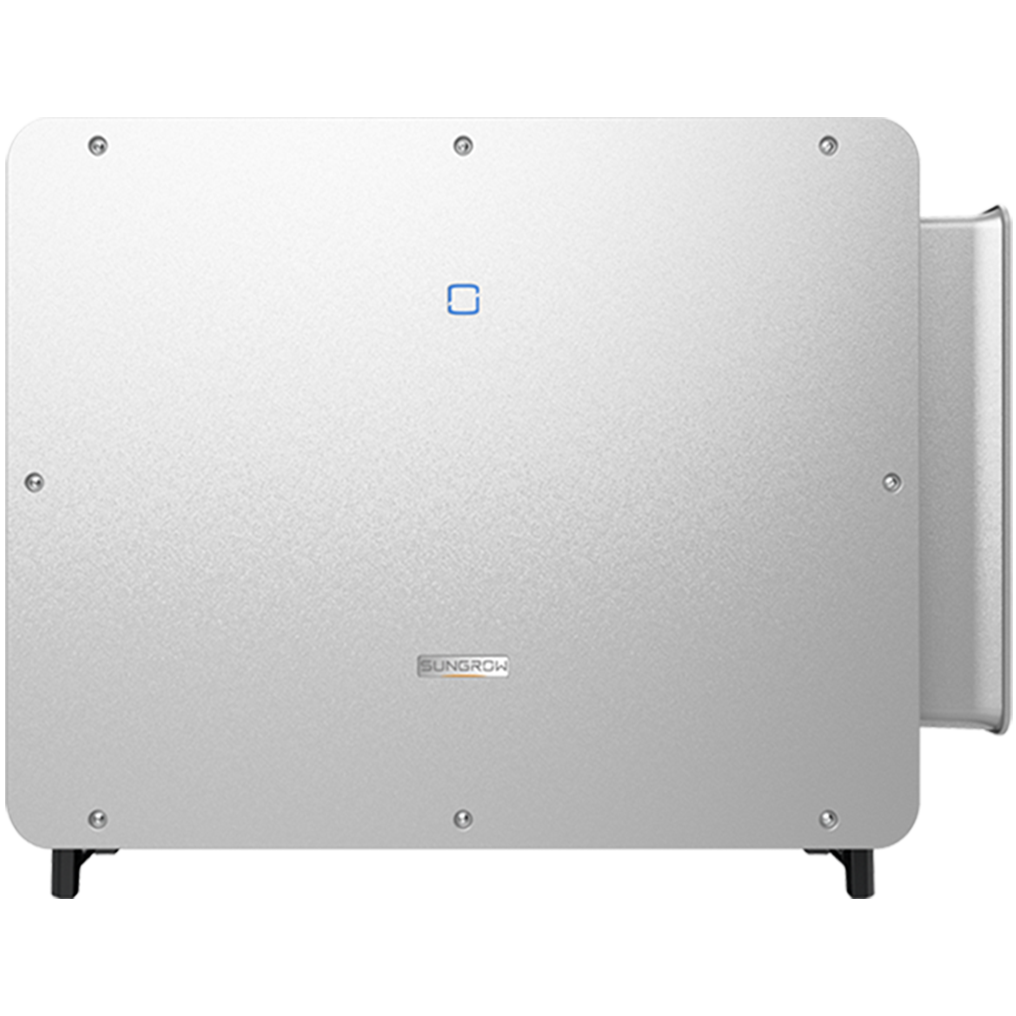
I recommend three concrete metrics to judge upgrades: 1) Mean Time To Repair (MTTR) — measure baseline and target a 30–50% reduction; 2) Granular Loss Detection Rate — percent of yield losses identified at module/string level within 48 hours; 3) Total Cost of Ownership over 10 years — include replacement, labor, and projected lost revenue. I use these in procurement checklists and push vendors for hard numbers. We tested this approach on a 300 kW municipal install in October 2021 and cut emergency visits from 12/year to 3/year — measurable, repeatable. If you want pragmatic, field-tested guidance, that’s what I aim to deliver—practical, not poetic. Final note: for realistic component options and system architectures, check supplier roadmaps and verified case studies from trusted brands like sungrow.