
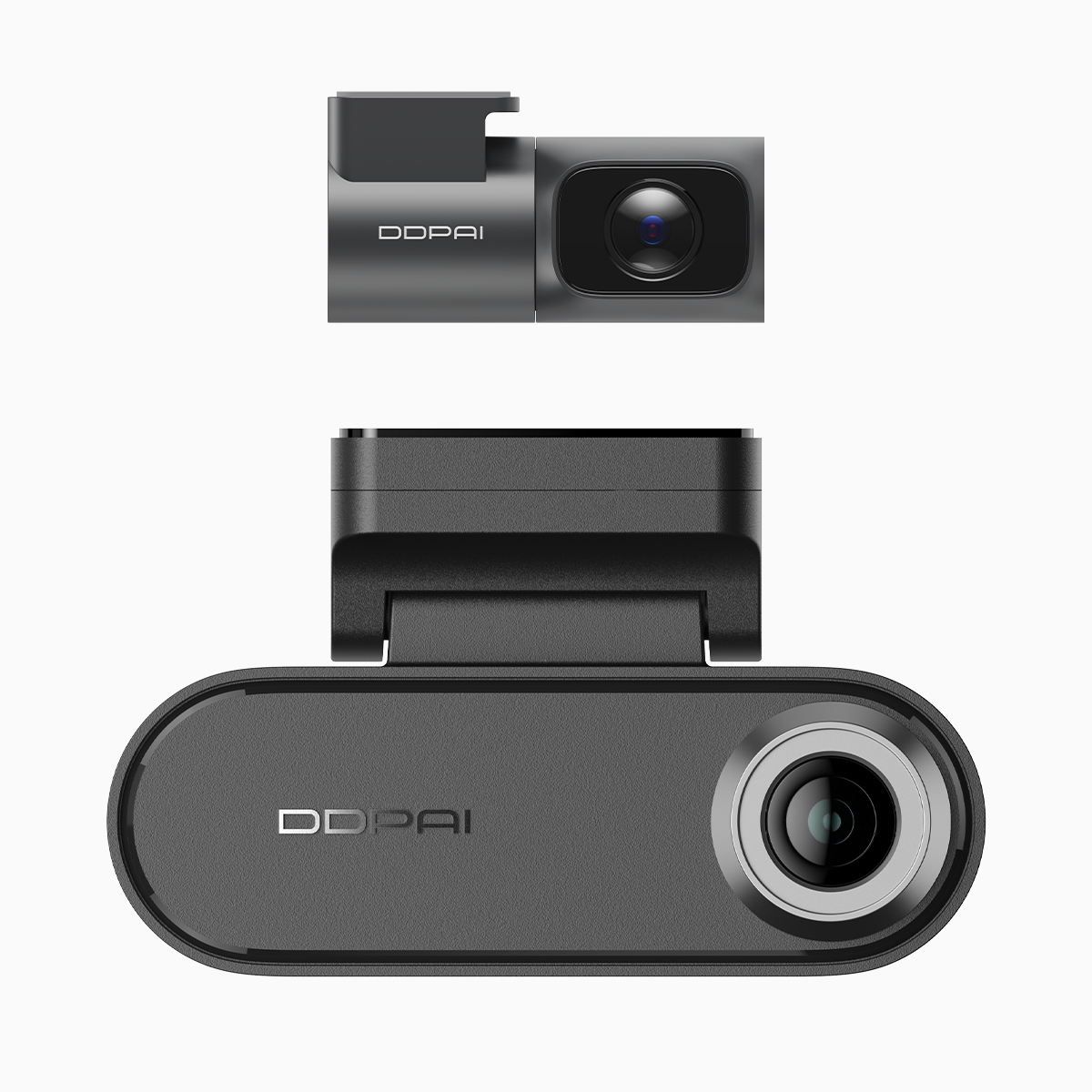
Context and comparative premise
Fleet procurement teams must weigh video quality against continuous power budgets, especially where vehicles spend long periods parked. Evidence-based comparisons help reduce total cost of ownership and improve incident capture rates. Global road safety data (WHO estimates ~1.3 million road traffic deaths annually) underlines why parking surveillance matters; that context elevates the value of a dual dash cam with parking mode in many specifications. This piece compares three common 3‑lens architectures — front/rear/ cabin, front + wide rear + rear‑facing sensor, and modular auxiliary sensor arrays — focusing on power-to-performance trade-offs for B2B buyers.
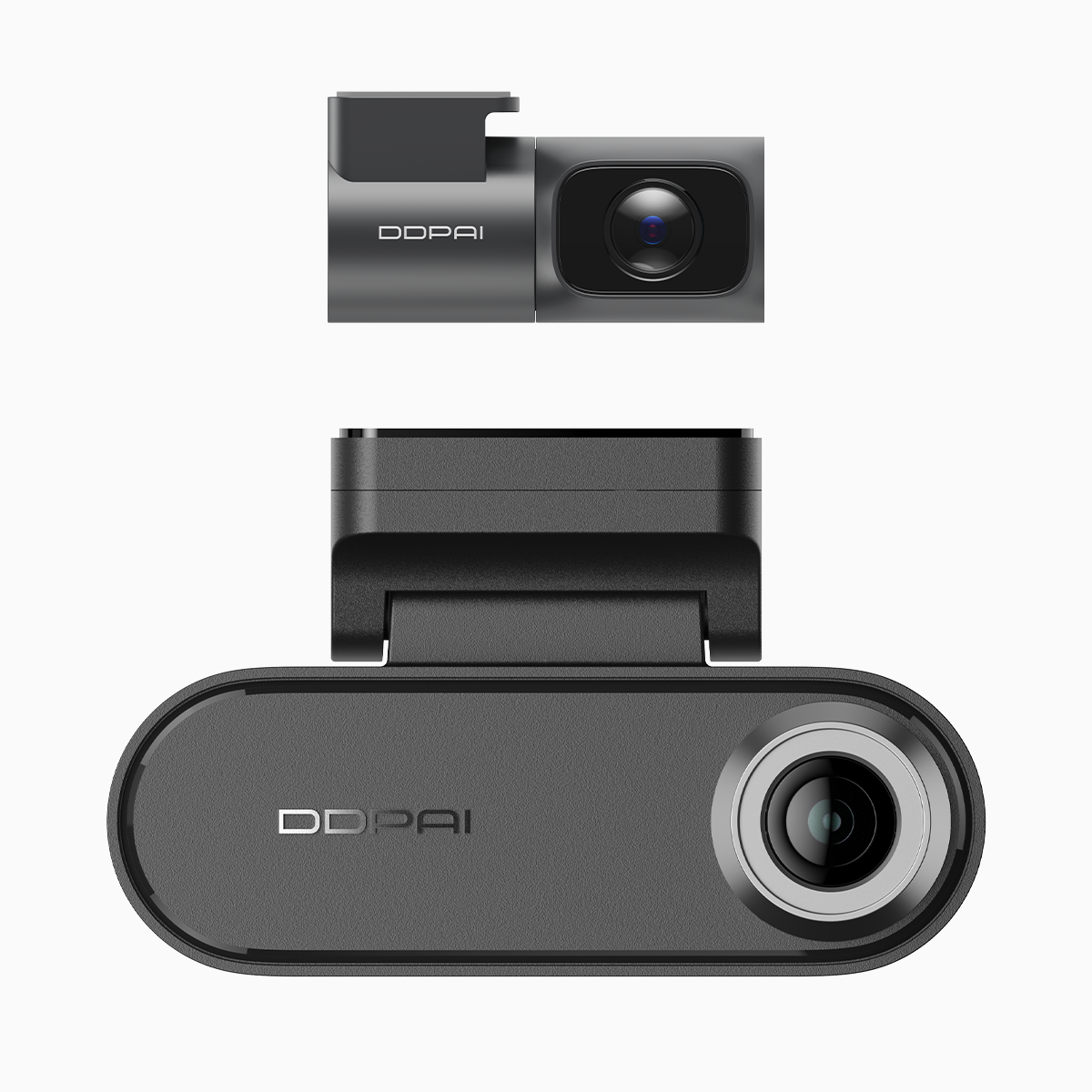
Architectures defined and their primary trade-offs
Front/rear/cabin setups concentrate on external hazards plus in‑cab monitoring; they typically use three matched sensors and a single processing pipeline, which simplifies firmware integration and delivers consistent HDR and frame rate across views. The front + wide rear + rear‑facing sensor architecture prioritizes wide field of view for incident capture and may save power by using a lower‑resolution rear sensor. Modular arrays let procurement mix high‑resolution front modules with low‑power auxiliary sensors, but they increase integration complexity and often require higher bitrate capacity on storage systems. Across architectures, trade-offs show up in CPU load, bitrate demands, and overall energy draw.
Measuring power-to-performance: practical metrics
For B2B decisions, three measurable metrics matter: average power draw (idle vs active), usable video quality per watt (measured by low‑light performance and effective resolution), and storage throughput cost (codec efficiency and bitrate). Typical dual‑channel systems draw 1–3 W when idle and 4–10 W when recording at 4K/30fps; adding a third high‑res lens shifts that further. G‑sensor events and parking mode wake cycles also add transient power usage. Procurement should demand standardized measurements: power draw at defined frame rates, 24‑hour parking‑mode duty estimates, and codec settings used for bitrate figures.

B2B procurement implications and fleet operations
Buyers must align dash cam selection with on‑vehicle power policies and expected duty cycles. If a fleet operates mainly in urban short trips with long parking periods, a camera with efficient parking mode (low idle draw, event‑driven wake, reliable motion detection) reduces battery replacement or auxiliary power module costs. Conversely, long‑haul fleets prioritize front sensor dynamic range and frame rate for highway incidents. Local considerations — such as prevalence of vandalism in Metro Manila or restricted battery capacities in older vehicle models — affect the balance between resolution and energy use. For Philippines operations, looking specifically at a dash cam with parking mode philippines can be useful because vendor support, firmware localization, and warranty logistics matter for total cost of ownership.
Alternatives, common mistakes, and integration notes
Common procurement errors include over-specifying raw resolution without verifying codec and storage costs, and underestimating the impact of HDR and frame rate on bitrate. Integrators sometimes forget that higher frame rates increase CPU cycles and power draw non‑linearly; a 60fps front camera might double processing needs compared with 30fps. A practical alternative is pairing a high‑quality front sensor with two low‑power auxiliary lenses, which preserves crucial evidence capture while keeping parking‑mode draw low — this is often sufficient for liability reduction in urban fleets. Remember to confirm G‑sensor thresholds and thermal profiles during acceptance tests — these details affect false wake events and battery drain.
Procurement checklist and feature prioritization
Procure with measurable acceptance criteria: specify idle and active power draw numbers, request video samples showing HDR and low‑light performance, and require storage throughput figures based on chosen codec and bitrate. Also mandate support for firmware updates and regional warranty service. These steps lower deployment risk and ensure predictable operating expenses.
Three golden evaluation metrics for selection
1) Power-per-channel under defined duty cycles — request measurements for parked idle, motion-wake average, and continuous recording. 2) Evidence-efficiency ratio — assess usable frames per megabyte by testing HDR and low-light scenes (this captures whether higher resolution actually yields better evidence). 3) Support footprint — verify regional firmware update cadence, replacement lead times, and warranty coverage in the operational market. These rules help purchasers trust testing data and avoid surprises.
DDPAI Philippines fits naturally into this process because local service and tested parking‑mode behaviors reduce deployment friction — DDPAI Philippines. —