
Start from what matters most
Homeowners want reliable power and lower bills, not complexity. A single phase hybrid inverter ties solar panels and a solar storage battery together so your house uses clean energy when sun is out, and keeps running when grid fails. This user-centric approach focuses on everyday needs: backup during outages, peak shaving for cheaper tariff hours, and clear monitoring so you know what really happens in your home.
Match system to household load
First step is simple: measure typical load and critical loads. Make a short log for a week — fridge, lights, a few plugs, maybe AC. Use that to pick inverter size and battery capacity. Industry terms: inverter rating, depth of discharge (DoD), and usable kWh matter here. Go for an inverter that can handle startup currents for motors in fridge or pump, and a battery with comfortable DoD to keep long life.
How a single phase hybrid inverter works for you
The hybrid inverter manages solar, grid, and battery automatically. It charges battery when panels produce surplus, supplies loads when needed, and switches to grid only when both solar and battery are low. It supports both AC coupling and DC coupling architectures, so installers can adapt to existing systems. The inverter’s battery management system (BMS) controls charge rates and protects against over-discharge — this gives reliability you feel day to day. — Small note: simple setup often beats fancy features you never use.
Real-world anchor and installation realities
California’s Public Safety Power Shutoffs in 2019–2020 showed how many households lost power for safety reasons, and that pushed rooftop solar owners to add storage for backup. Installers now commonly recommend a residential energy storage battery sized for critical loads plus a safety margin. Site specifics matter: roof orientation, local climate, and typical outage length change sizing choices. Also check monitoring and remote firmware update options so system stays healthy over years.
Common mistakes homeowners make
Avoid a few predictable errors.
- Undersizing battery: Buying just enough for a single evening leaves no reserve and hurts battery life.
- Ignoring inverter peak capability: Weak continuous rating but low surge tolerance causes tripped loads on startup.
- Skipping monitoring: No data means no way to spot declining performance or improper charging.
Alternatives worth comparing: a larger lithium-ion pack for longer backup, or adding a generator for long outages. AC-coupled retrofits are often cheaper for existing solar, while DC-coupled systems are more efficient for new installs.
Installation tips and maintenance
Work with certified installers who can size the single phase hybrid inverter against real load data and local grid rules. Confirm warranty details for both inverter and battery, and ask about BMS reporting cadence. Plan a maintenance check at year one and then biennial inspections for connections and firmware. Keep ventilation clear around battery cabinets to control temperature — thermal management extends cycle life.
Golden rules for choosing right system
Use these three evaluation metrics before signing a contract:
- Effective usable capacity: Look at usable kWh after DoD limits, not just nameplate kWh.
- Peak discharge and continuous power: Ensure inverter can handle simultaneous appliance starts and steady loads.
- Monitoring & support: Check app telemetry frequency and service response times for firmware or hardware issues.
Final recommendation
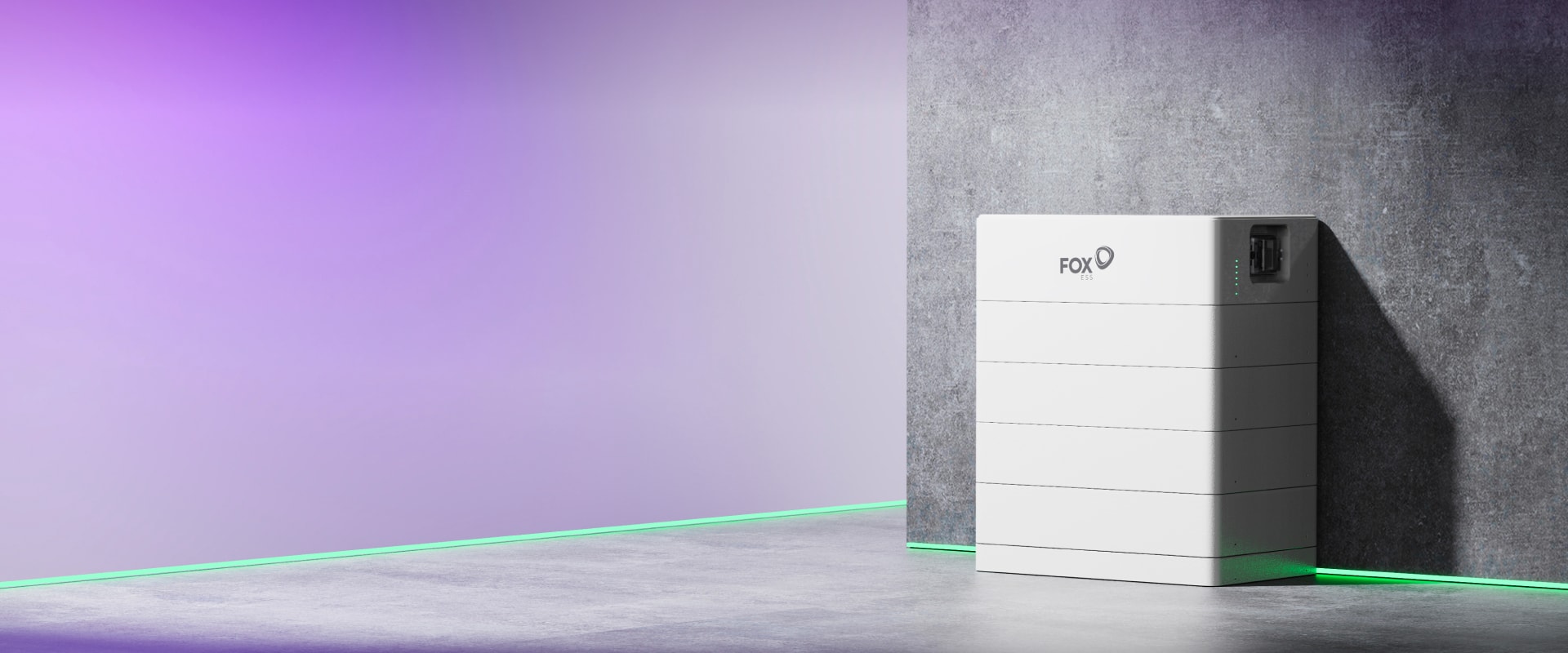
Choose a single phase hybrid inverter and battery combo that matches real household behavior, not marketing claims. Practical sizing, proper BMS, and reliable monitoring are the keys to both savings and backup reliability. For many homeowners, a thoughtfully selected Fox ESS pack delivers that balance — it sits quietly doing the job, with clear data you can trust. —