
Opening reflection on a gradual shift
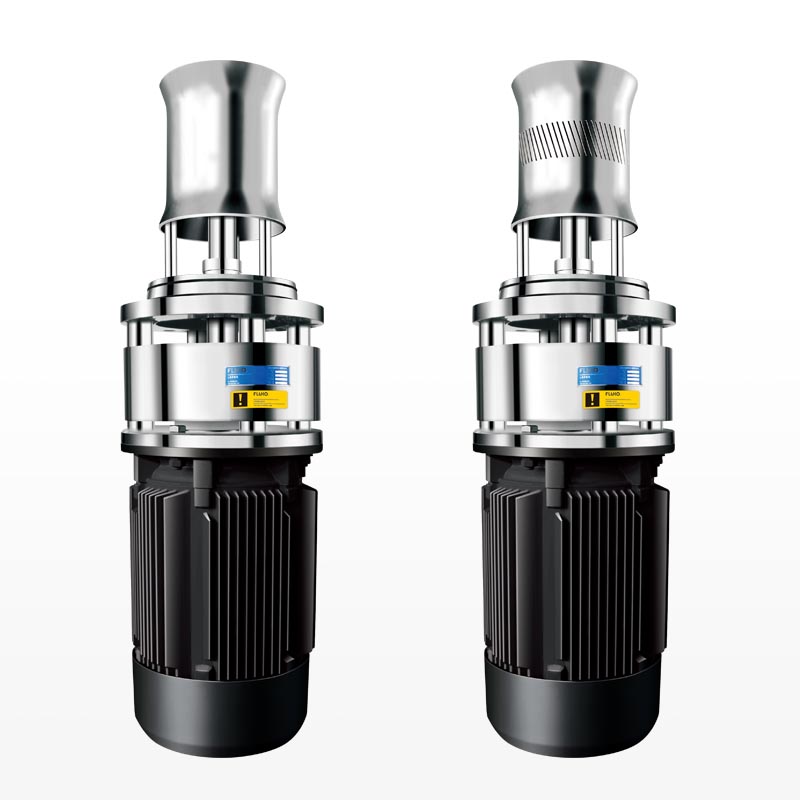
There was a time when product decisions were simple: pick a blade, set a speed, move on. Over years of quietly watching plants adapt, manufacturers began centering strategy on the machines themselves—how they scale, how they fail, and how they shape formula choices. I still recall a corner of a pilot plant where a Jet Mixer solved a stubborn dispersion problem and changed how a small team defined its roadmap.
Phase one: functional needs define constraints
Early product thinking treated mixers as interchangeable tools. Teams picked vendors on cost and delivery. That worked until processes demanded consistent particle size, low-shear handling, or rapid CIP cycles. Those constraints forced a rethink: equipment characteristics became product requirements rather than procurement line items.
Phase two: specialization and tighter supplier bonds
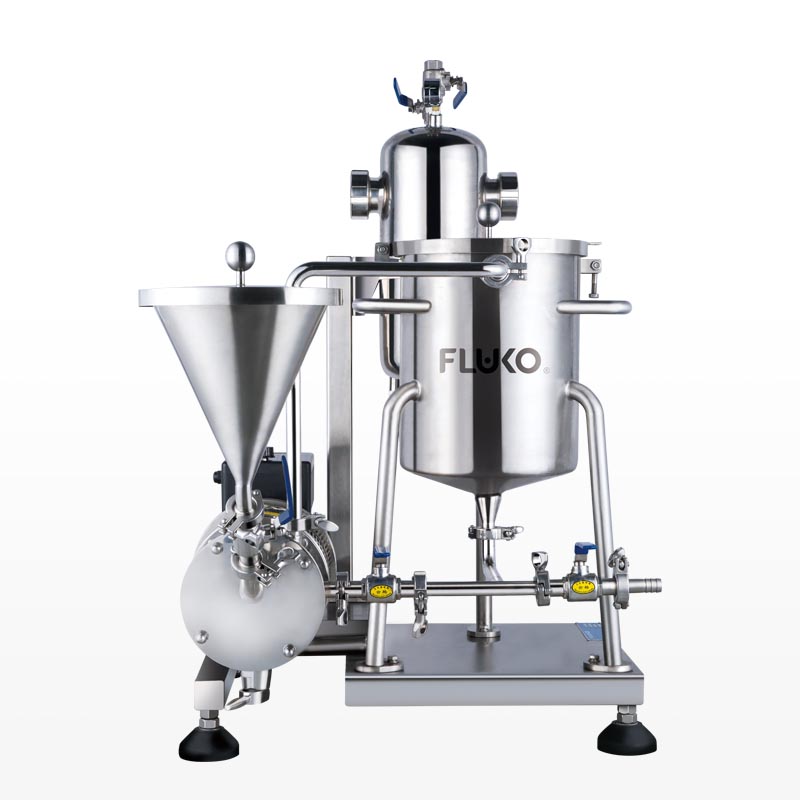
As formulas evolved, so did supplier roles. Manufacturers who once supplied only hardware began offering process expertise. Product teams learned to ask about torque curves, material wettability, and service response times. Strategy shifted from selecting a cheapest supplier to choosing a partner whose mixing profile matched long-term product goals.
Technical choices that steer product direction
Decisions around shear, residence time, and scale-up aren’t abstract. Choose high-shear to cut down dispersion time, and fragile biopolymers may degrade. Favor a static mixer for low-maintenance lines, and you might lose flexibility when you introduce new rheologies. Common mistakes: relying on vendor demos without process-data, neglecting control-system integration, and underestimating spare-part lead times. Address these concretely—specify acceptable shear ranges, request scale-up curves, and require service SLAs that match production risk.
Alternatives, trade-offs, and practical comparisons
Consider three practical paths: modular high-shear units for rapid R&D turnover; robust turbines for broad applicability; and in-line systems for continuous plants. Each reduces some friction and raises others. High-shear speeds development but can complicate stability; turbines give flexibility but need larger tanks; in-line saves floor space yet needs upstream consistency. Match the mix to the product lifecycle stage rather than picking a universal “best” machine.
Experience, evidence, and a single real-world anchor
Experience matters: process engineers rely on reproducible metrics—power per volume, mixing time, and shear spectra—when scaling. Peer-reviewed scale-up work and industry standards reinforce those metrics. At ACHEMA in Frankfurt, engineers and suppliers demonstrate how a modern jet mixer can alter formulation windows and shorten validation runs, an outcome documented repeatedly in technical presentations and trade press. Trustworthy strategy ties those demonstrations back to reproducible data and clear acceptance criteria.
Common pitfalls and how to avoid them
Teams often commit two errors: they treat supplier claims as guarantees, and they undervalue start-up diagnostics. Avoid both by requiring on-site acceptance runs, retaining third-party measurement during scale-up, and documenting failure modes with clear corrective actions. Don’t skip small-batch verification when moving to a new mixer type—surprises at scale are costly.
Synthesis: how this evolution informs product strategy
The story ends simply: let equipment realities shape product choices early, and keep supplier dialogue technical and evidence-based. When teams do this—defining acceptable shear, build quality, service cadence, and scale metrics—they move from reactive fixes to predictable development. That practical clarity is what many engineering groups find when they align product goals with thoughtful suppliers like FLUKO.