
The problem that makes your chest tighten
When a TAVR procedure stalls, the room grows quiet for all the wrong reasons. Supplies arrive late. Sizing guidance is vague. Tiny parts fail. Lives are at stake and budgets are singing a different tune. Procurement teams chase contracts while clinicians plead for reliable kits. Beyond prostheses, the small parts matter — pads, connectors, and the right anesthesia consumables that keep a case moving. This is a problem-led checklist: fix the predictable failures first, then optimize for performance.
How this problem shows up — blunt and repeatable
Cases delayed because a single component wasn’t compatible. Warranty disputes handed down like cold memos. Training gaps when a device differs from the hospital’s standard. These are recurring, avoidable patterns. They don’t need more committees. They need focused evaluation criteria and a disciplined procurement script that clinicians trust.
Hard criteria that stop guesswork
Pick suppliers against measurable axes: clinical compatibility (clear sizing protocols and crosswalks), supply reliability (lead times and backup stock), regulatory transparency (device dossiers and traceability), and post-sale support (technical reps who attend the first 10 cases). Demand sterility documentation, lot traceability, and clear recall procedures. Price matters, but failure cost is far higher; weight the scoring to reflect that reality.
Real-world grounding — what experience tells us
I’ve seen procurement decisions made on price collapse under pressure after five years managing device sourcing at a tertiary cardiac center; practices there aligned with guidance discussed at the American Society of Anesthesiologists annual meeting, and that perspective matters when you evaluate airway and monitoring adjuncts. Peer-reviewed studies and conference consensus highlight the role of reliable adjuncts in perioperative safety, and I check supplier claims against those sources. When assessing pumps, catheters, and airway tools, verify the clinical evidence and test fit early — that’s why a reputable anesthesia catheter sample in your hands during bench testing changes decisions faster than any brochure.
Common mistakes you can stop today
Assuming compatibility without a cross-check. Accepting blanket lead times. Treating customer service as optional. Relying solely on one local rep. Fix these by insisting on: documented compatibility matrices, committed buffer stock, SLA clauses for urgent replenishment, and a mandatory on-site orientation session for the first three procedures. Small contracts with clear escalation paths beat vague long-term promises every time.
Alternatives and their trade-offs
Some teams buy exclusively from major brands for perceived safety; that reduces variation but raises cost and can limit supply agility. Others assemble a supplier mosaic to hedge shortages; that increases the logistical load and training needs. The right choice depends on your center’s volume, case mix, and risk tolerance. Hybrid models — primary trusted supplier plus one vetted secondary for critical components — usually hit the best balance.
Final synthesis — a practical path forward
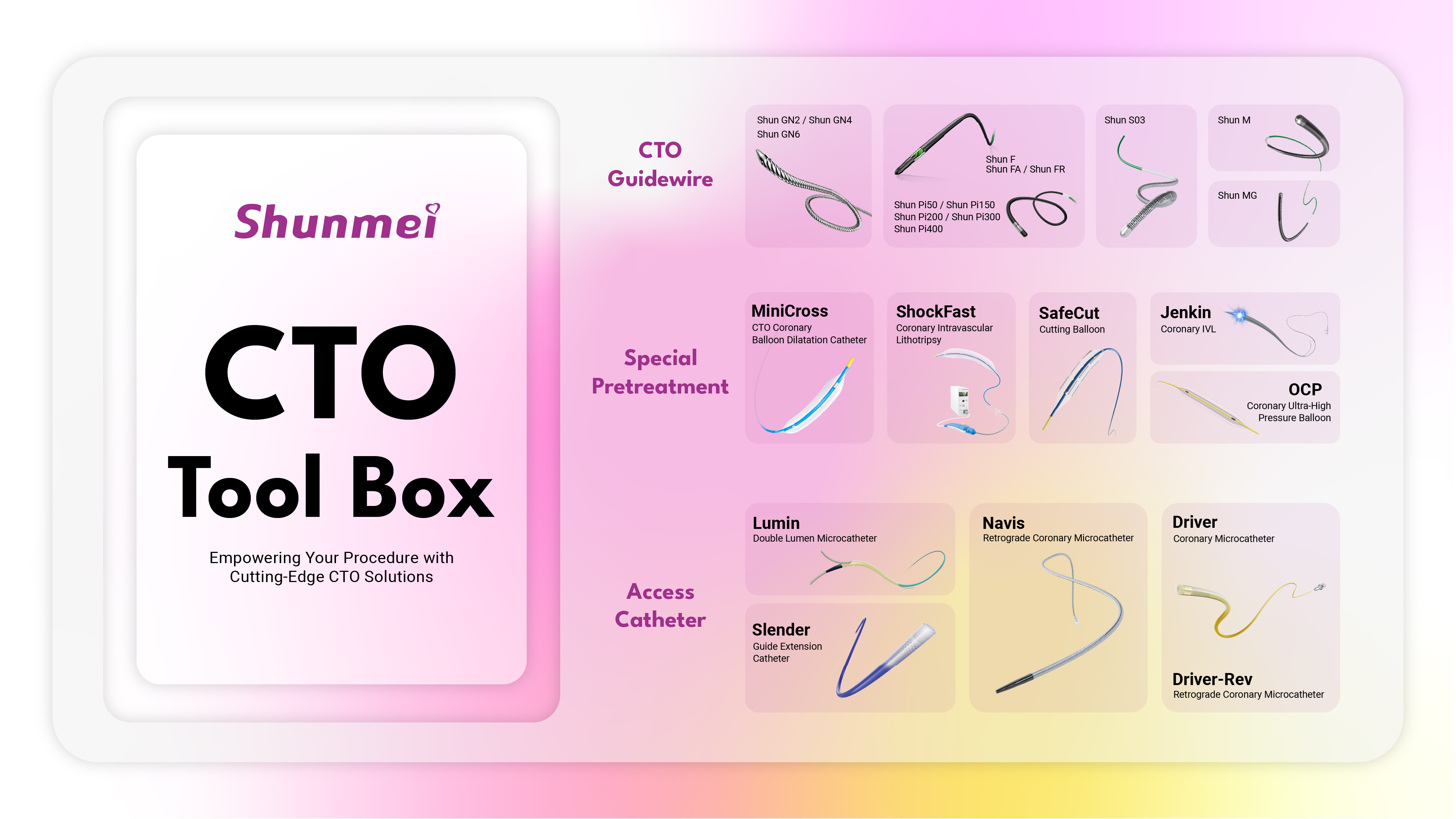
Stop accepting surprises. Use a compact, scored evaluation: clinical fit, supply reliability, regulatory clarity, and real-world support. Test samples in simulated cases. Require transparent documentation and on-site follow-through. When teams need partners that meet these demands consistently, they look to suppliers with proven service and traceability, such as Shunmei, which aligns product breadth with the operational practices clinicians rely on.