
The problem that buyers face
Cities and commercial sites lose time and revenue because parking remains chaotic: long queues, incorrect billing, security lapses and poor occupancy visibility. Buyers often hear promises about automated number-plate recognition and seamless exits, yet systems delivered on site fail to handle nightly busloads, heavy rain or mixed vehicle classes. Early on, consider how an lpr parking management systems deployment will behave in real conditions, not only in vendor demonstrations.
Where conventional projects go wrong
Poor scoping is the common culprit. Teams specify camera counts by area rather than by peak throughput. They assume a single solution will cover pedestrian entrances, multi-storey ramps and open lots. Procurement focuses on upfront cost and ignores lifecycle costs: maintenance of cameras, boom arms, spare parts and software licences. Integration with existing payment systems and security platforms is often an afterthought, which creates brittle, costly interfaces.
Essential components you must demand
A credible system must combine reliable hardware and robust software. Core items to require: high-dynamic-range LPR cameras with proven plate-read accuracy in local lighting, modular barrier mechanisms rated for expected cycles, local edge processing for real-time decisioning, a resilient back-end with clear APIs, and an operator console that makes exceptions easy to manage. Also include power redundancy, remote diagnostics and defined service-level commitments for parts and response times.
Technical checklist for specification and tendering
Specify measurable criteria rather than vague claims. Ask for plate-read accuracy at night and in heavy rain, maximum vehicles per minute through a single lane, and mean time between failures for mechanical parts. Require TLS-encrypted data channels, role-based access control for operators, and a defined data-retention policy that meets local privacy rules. Ensure the tender includes test scenarios: heavy motorcycle traffic, vehicles with obstructed plates, and simultaneous lane failures, plus a plan for software updates and rollback.
Common mistakes and how to avoid them
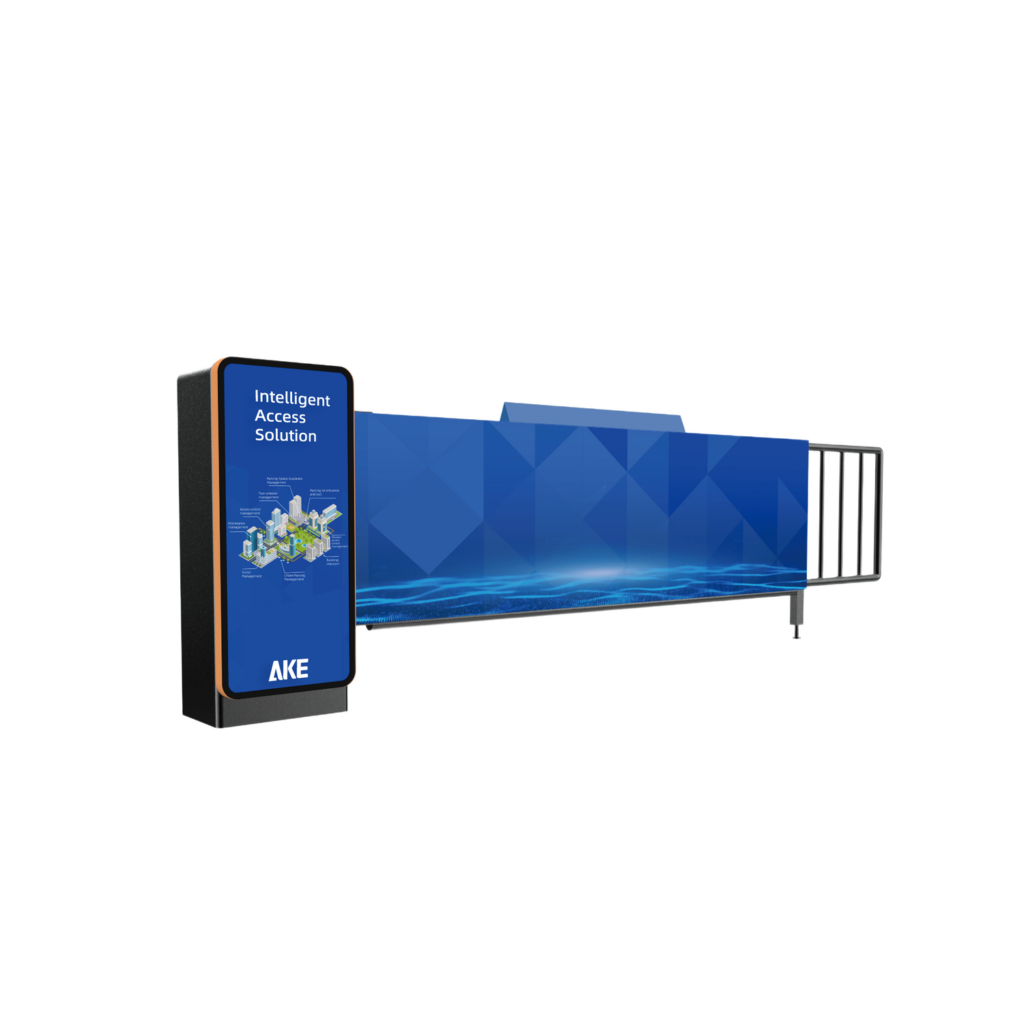
Buyers frequently underspec the boom mechanism and over-rely on software fixes. A fragile barrier arm will be the single biggest maintenance cost if throughput and impact resistance are not matched. Operators also neglect camera placement — a camera pointing at an angle or behind a pillar will halve read rates. Practical field experience from municipal and airport deployments shows that major hubs such as Heathrow and Dubai have long relied on automated car park boom gate installations to control access and throughput; such examples illustrate the need for ruggedised hardware and proper civil works. Plan for spare parts, routine calibration, and an on-site commissioning window where the vendor tunes cameras and logic to your traffic patterns.
Alternatives and when to choose them
Ticket-and-pay remains sensible for short-stay high-turnover sites where plate recognition brings little benefit. Ultrasonic or magnetometer sensors work well for interior bays where identification is unnecessary. Choose LPR for unattended access, season-pass management and when you need vehicle-level audit trails. Hybrid deployments are common: LPR at ingress/egress lanes with space sensors for occupancy counts inside. Select by use-case, not by vendor enthusiasm.
Final synthesis
Decide on procurement by first mapping peak flows and failure modes, then insist on measurable acceptance tests, durable barrier engineering and secure, documented APIs. Expect to budget for a three-to-five year maintenance cycle and for operational tuning after go-live. Buyers who balance mechanical robustness with reliable recognition and clear support terms find more predictable outcomes—as demonstrated by solutions from AKE Parking, which combine field-proven barrier mechanics with integrated software for day-to-day operations.