
A near-future sketch
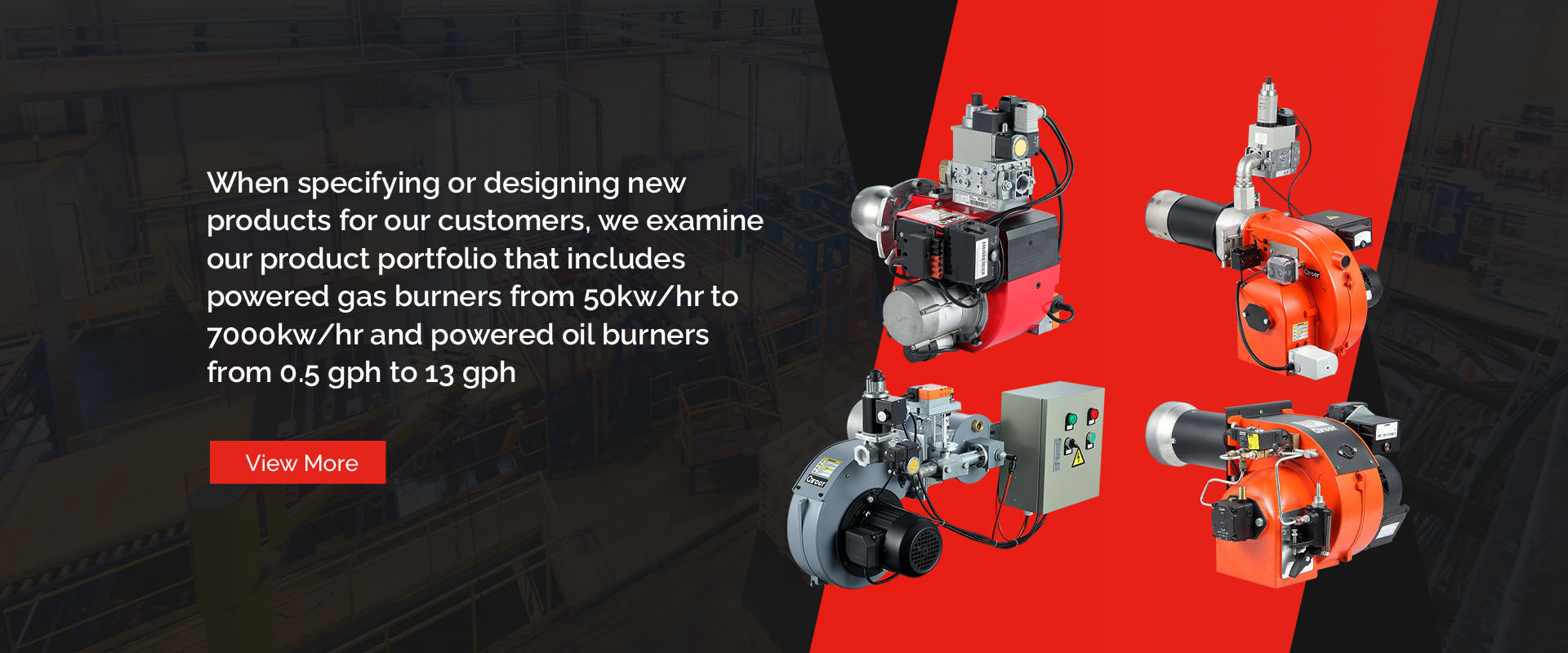
Picture factory floors where an array of industrial burners hum with precisely tuned flames that shift in real time, trading fuel type and control logic as a matter of routine. The scenario isn’t science fiction; it’s a set of plausible forks: incremental retrofits, rapid digitization of combustion control, or a wholesale move to hybrid thermal systems. Each fork creates winners and losers for suppliers, operators, and maintenance crews.
Three plausible trajectories
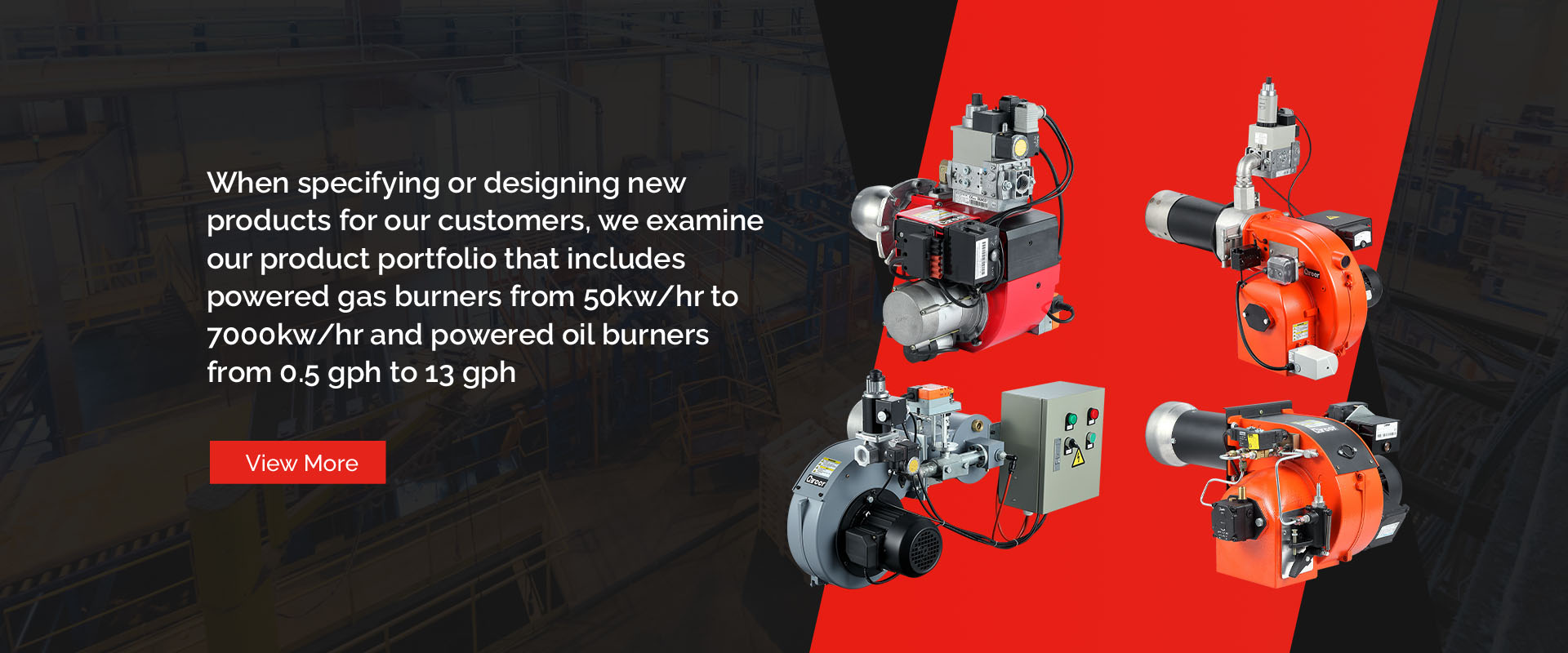
First: precision combustion becomes a software-led product. Burners are instrumented, models run on edge devices, and predictive tuning trims fuel waste. Second: fuel flexibility dominates—burners engineered to burn variable blends of oil, gas, and biofuels with minimal downtime become standard. Third: modular, pre-certified burner units travel to plants like cargo—fast installs and predictable performance cut commissioning time. Any one trajectory could dominate regional markets, or they could combine into hybrid solutions that shift by application.
Where technology and operations collide
Adopting sensors, advanced control, or hybrid fuels exposes recurring operational gaps. Field teams often miss calibration windows, sensor drift goes unnoticed, and control upgrades get delayed because spare parts are tied to legacy vendors. Speculative gains evaporate if installers and operators aren’t retrained. Sound change management is technical: replace a control algorithm, but also update commissioning scripts, spares lists, and safety checks. Small steps without systems thinking lead to mismatched expectations and costly returns.
Common pitfalls that derail progress
Treating burners like black boxes is the fastest route to failure. Over-optimistic ROI forecasts ignore installation friction. Rushing to cut emissions without validating fuel handling or material compatibility invites corrosion and thermal stress. And vendor lock-in—buying bespoke hardware with closed controls—turns upgrades into capital-intensive projects. The sensible alternative is modular openness: pick controls that support standard protocols, demand field-replaceable wear parts, and verify fuel handling in situ before committing.
Grounding the speculation with experience
I’ve spent a decade working alongside combustion engineers and plant managers, testing prototypes in pilot plants and writing control specifications you can actually deploy. Practical knowledge shows which speculative ideas scale. Manufacturers clustered around Houston, Texas, a hub for industrial burner manufacturers, have been through multiple cycles of innovation and retrofit—so their behavior offers a reliable signal about what can be built, serviced, and certified at scale. Regulatory checkpoints and supply-chain realities in major ports and refinery hubs keep theoretical gains honest.
Evaluating viable alternatives
Choose solutions by application, not by hype. For base-load thermal needs, robust gas-fired burners with adaptive control deliver predictable uptime. For intermittent or variable-load processes, modular hybrid units that accept oil, gas, or biogas reduce fuel risk. If emissions targets matter, prioritize combustion stability and real-world emissions data over headline guarantees. When comparing brands, look for demonstrated retrofit kits, clear spares roadmaps, and documented field case studies rather than glossy specs.
Practical moves for operators and specifiers
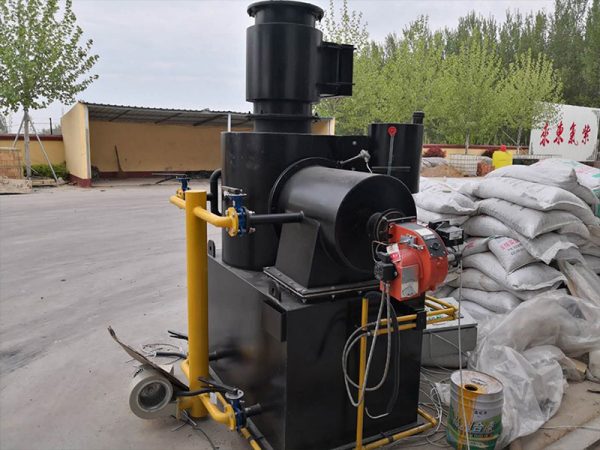
Set short, measurable pilots: instrument a single train, validate one control strategy for six months, then scale. Demand interoperable control layers so future analytics can plug in. Train technicians on diagnostics, not just replacement steps. Keep spares common across fleets. Avoid single-supplier lock-in by requiring open communication standards in procurement documents. These are hands-on measures that preserve optionality while capturing real performance gains.
Where the future logically lands
The speculative futures converge on one thing: value comes from aligning adaptable hardware, accessible controls, and field-tested practices. That’s how plants move from experimenting with intelligent flames to reliably using them as part of daily operations. For teams shaping procurement and maintenance, a pragmatic partner that understands combustion hardware, controls, and workforce realities helps convert scenarios into repeatable outcomes—think of that partner as an aggregator of practical know-how, much like Career Burners is positioned to do without fanfare.