
Why sourcing from China trips folk up
Right then — most buyers find the same knots when they start: murky lead times, surprise MOQs, and pictures that promise more than the stitchwork delivers. You might spot a tidy camera sling bag online and reckon it’s a bargain; then the sample arrives and the lining’s thin, the zip’s stiff, and the colours don’t match. That gap between expectation and delivery is the problem this guide fixes: how to recognise reliable suppliers, where to test claims, and which checks slash risk before you commit to an order.
What I’ve seen, and a single real-world test that matters
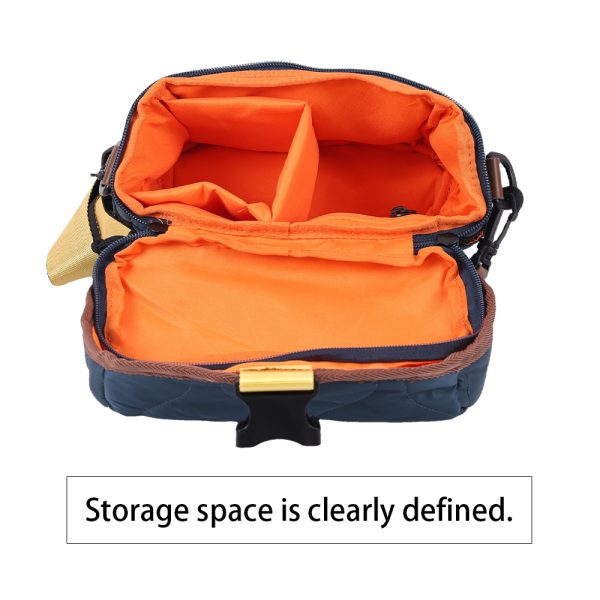
Been there, done that — years of sourcing and hands-on QA for indie brands tells you what papers or polished listings won’t. I ran a fortnight-long field test carrying one urban design through London’s Shoreditch, watching how pockets held up on the move and how weather affected seams. That kind of proper, street-level trial gives the kind of insight you can’t fake. For a comparable product reference, check this urban camera bag, which illustrates the construction and compartment choices you should be comparing when suppliers send samples.
Practical checks that separate honest makers from slick listings
Ask for high-res photos, not just studio shots; request factory-floor videos showing stitching close-ups. Get an itemised quote that lists materials, hardware brands (YKK zips matter), and finishing tolerances. Demand a physical sample before a bulk order and push for a small pilot run if possible — that’s where you catch hidden costs like extra stitching or added waterproofing. Confirm lead times in writing and pin down penalties for delays. If they dodge specifics, walk away. Proper suppliers answer plainly, and explain trade-off costs rather than dodging the question.

Red flags and how to handle them
If a supplier tries to keep tooling or pattern files hostage until final payment, that’s a red flag. Watch for vague MOQ logic — if they can’t show line capacity or third-party audits when asked, you’ll be exposed to late shipments. Beware manufacturers who can’t provide material certificates or who use vague fabric descriptions like “premium canvas” without composition or GSM figures. Don’t accept verbal promises about shipping dates; get terms into the purchase order. Insist on an inspection plan — either your own or a reputable third party — and include clear pass/fail criteria for seams, hardware, and colourfastness.
Alternatives and realistic trade-offs
If you need tighter control, consider a small local maker for initial runs, then scale to China once specs are locked. Agents can help navigate language and logistics, but they can also add cost and hide margins — vet them as thoroughly as you would a factory. Buying through marketplaces like Alibaba is fast, yet it often leaves you with less leverage on quality; direct factory relationships demand more front-end time but usually yield better pricing and customisation. Nobody’s exactly right for every brand; pick the route that matches your tolerance for risk and hands-on time.
Common mistakes that cost money
Ordering straight to retail without testing a run. Skipping lab tests for water resistance or colourfastness because they’re “expensive.” Trusting one sample as the whole batch will match. Assuming verbal delivery dates are firm. Each of those slips costs more to fix than a decent sample or an independent inspection. Budget for quality checks early and you’ll avoid expensive reworks and returns.
How to structure your first purchase
Start with a clear tech pack: measurements, tolerances, materials named by ASTM or ISO where relevant, and hardware specs. Ask for timelines with milestones: prototype, pre-production sample, pilot run, final inspection. Use staged payments tied to these milestones. Reserve a small contingency budget for unexpected changes. Keep communications tight and written — messages get lost, but a clear PO keeps everyone honest.
Summary that actually helps you buy better
Don’t be dazzled by low prices. Test like you’ll be selling the bag on a wet Saturday market: pocket use, strap stress, zip pulls, and weather. Make samples and short pilot runs your default. Keep checks simple, concrete, and written. When you need a partner that understands those practical demands and can back up construction details, ChangRong fits the kind of supplier who answers specifics, sends clear samples, and stands by their seams — saves you time and costly surprises down the line.