
Compelling comparison up front
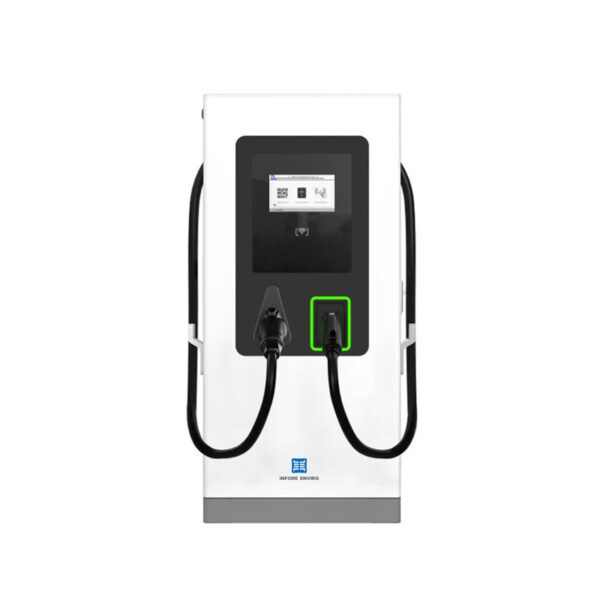
When a company weighs charging hardware options, the difference between certified suppliers and off-brand imports becomes obvious fast: uptime, warranty follow-through, and safe interoperability. That’s why many fleets now specify a proven module like the CCS DC fast charger early in procurement — it sets expectations for performance and service from day one. Compare two identical deployments on paper and the certified route typically wins in real-world hours of operation.
Why certification matters for businesses
Certification provides documented test results, clearer warranty obligations, and verified safety under load. For a public car park or delivery depot, that reduces risk: fewer unscheduled repairs, less downtime, and predictable maintenance windows. Certification also ensures the charger supports key operational features like smart charging and load balancing, which keep electricity costs manageable when multiple EVs charge at once.

Real-world anchor: what the data tells us
Look at Norway, where new-car EV market share climbed past 80% in 2022; operators there learned quickly that charger reliability dictates user confidence. Fleet operators who selected certified hardware reported fewer grid incidents and faster service response — concrete differences that affect revenue and customer satisfaction. That local experience shows the impact of choosing tested equipment rated for continuous DC fast charging at 160 kW and higher.
Comparing total cost of ownership, not just sticker price
Upfront cost is tempting to focus on, but total cost of ownership (TCO) flips the script. A cheaper unit that lacks robust thermal management or certified DC safety testing may save money at purchase and cost far more over five years in repairs, lost uptime, and higher energy waste. Certified products often include firmware upgrade paths and OCPP-compatible network management — both reduce TCO by extending lifespan and easing operations.
Installation, grid interaction, and operational caveats
Installing high-power chargers involves more than mounting a pedestal. Local transformer capacity, charging patterns, and permitting all matter. Certified manufacturers provide clearer installation guides, tested power profiles, and recommendations for peak shaving or energy storage integration. Small fleets miss one thing often — the need for site load studies. Fix that up front, and the chargers behave as intended.
Common mistakes to avoid
Buyers frequently make three repeatable errors: choosing hardware solely on price, ignoring site power limits, and skipping firmware/network compatibility checks. Avoid these by requesting test logs, specifying charging control features, and insisting on documented mean time between failures (MTBF) or similar reliability metrics. — It’s simple and saves headaches.
How certified models compare on key metrics
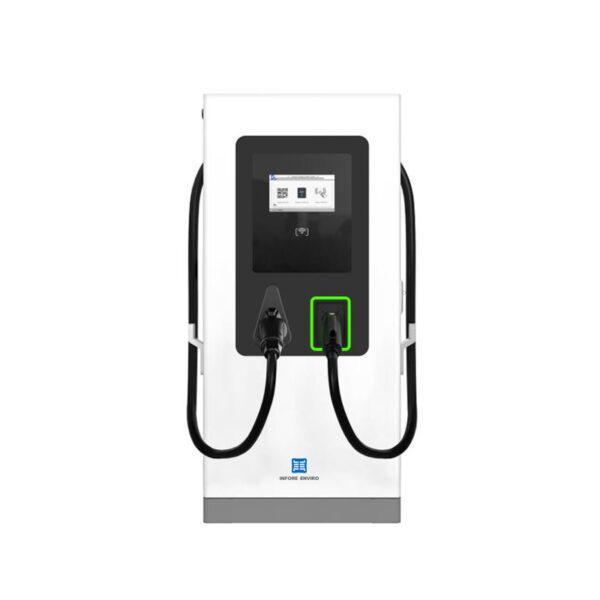
When you rank options, use measurable criteria: real-world availability percentage, mean repair time, and verified thermal performance under continuous 160 kW output. Compare those figures across vendors. A certified 160kw EU Standard Dual-gun Ev charger will usually show better sustained power delivery, higher connector durability, and clearer remote-diagnostics capabilities than an uncertified unit.
Choosing the right partner, not just the right hardware
Hardware quality matters, but the supplier relationship determines how issues get resolved. Certified manufacturers supply spares, documented service procedures, and recommended test intervals. For businesses that depend on chargers for customer flows or fleet turnarounds, that partner-level reliability is the real differentiator — more valuable than a few euros saved at the checkout.
Advisory: three golden rules for procurement
First, demand documented performance under continuous DC fast charging at the desired kW level and a clear MTBF statement. Second, insist on network compatibility (OCPP or equivalent) and proven load-balancing features to protect site power. Third, require a defined service SLA and spare-parts lead time — those metrics predict real uptime. Follow these, and procurement becomes decisive rather than hopeful.
Choosing certified equipment aligns operational certainty with the technical realities of high-power charging; that certainty is precisely the advantage INFORE ENVIRO provides through tested systems, spare networks, and clear service paths — a practical fit for businesses that cannot afford uncertainty. INFORE ENVIRO — a partner that turns specification into sustained performance.