
Why this matters to you
You’re running chilled runs and you need the kit to keep product cold, drivers on the ball, and reporting that doesn’t require decoding. If you’re after reliable cold chain fleet management and clear visibility across trips, the right set-up drops waste, keeps customers happy and stops late-night panic calls. I’ve seen how a missed temperature alert at the Auckland Airport freight terminal turns a delivery into a write-off, so systems that actually talk to drivers and record temps matter.
What users actually want (not marketing fluff)
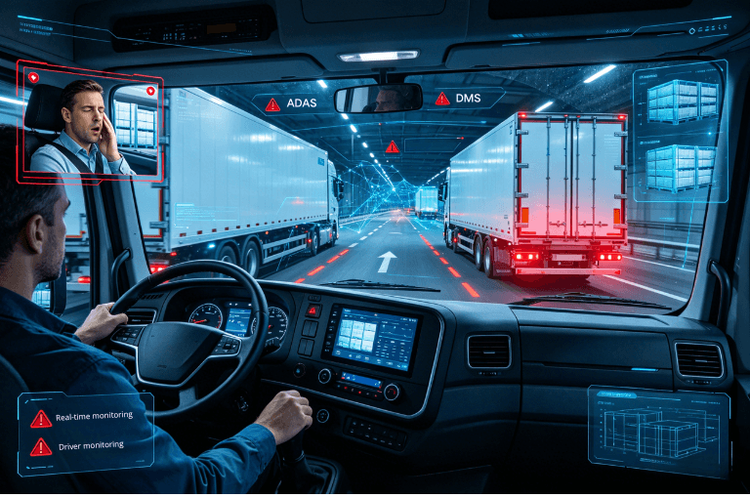
Think simple: precise location, continuous temperature records, driver confirmations, and reports you can hand to compliance or a client without rework. Common asks from fleet teams:- Live GPS that shows route deviation and stops.- Per-load temperature logs with timestamps and easy export.- Driver-facing alerts (not just emails) they can acknowledge.- Automated exception reports so you fix issues fast.
How GPS, driver management and reporting should work together
Make them a single workflow. GPS flags late or off-route loads; driver tools let the driver confirm action and note reasons; reporting pulls those events into one place so you can see cause and effect. Concrete outcomes:- Shorter dwell times because drivers see priority pickups in-app.- Fewer product losses since temperature excursions trigger immediate driver and ops alerts.- Faster audits: one report shows route, driver sign-off and temp history for each pallet.
Common mistakes operators keep making
Fix these and you’ll see gains fast:- Treating GPS, telematics and temp sensors as separate projects — integration cuts manual work.- Relying on paper checklists — they get lost and aren’t timestamped.- Alerts that go to a generic inbox — nobody acts on those quickly.- Overcomplicated reports with irrelevant fields — keep it tight to what auditors and customers actually ask for.
Quick comparison: options that make sense
Pick by need, not buzzwords.- Basic trackers + manual temp logs: cheap, higher risk; OK for low-value runs.- Integrated telematics + temp sensors + driver app: best balance of control and cost for regular chilled freight.- Full telematics platform with live dashboards and APIs: choose this if you need multi-site reporting and carrier integration. Match choice to volume and risk — higher-value loads need tighter integration.
Practical checklist before you sign anything
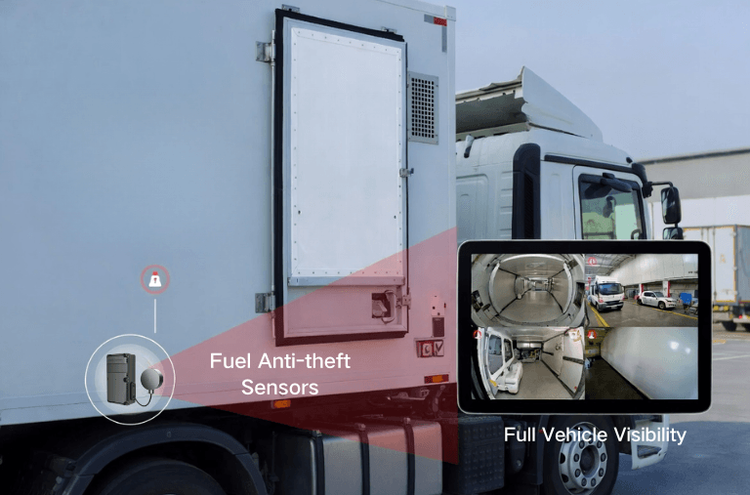
Ask for these specifics:- Can the system export timestamped temperature logs per load?- Does the driver app require acknowledgement of exceptions?- Are GPS breadcrumbs and stop durations recorded?- How does the platform alert ops and drivers (SMS, push, call)?- Can reports be scheduled and filtered by client, vehicle, or route?- Is there an API for your TMS or ERP?
Wrap-up — what actually changes for your team
Sorted tech should make your team calmer, cut losses and save hours every week. The right integrated setup turns problems into clear events: you see where a truck stopped, which driver handled it, and exactly how cold the load stayed — all in one report. For Kiwi freight ops wanting fewer headaches and cleaner audits, that’s the practical value BSJ brings without the waffle.