
A buyer first, a poet second
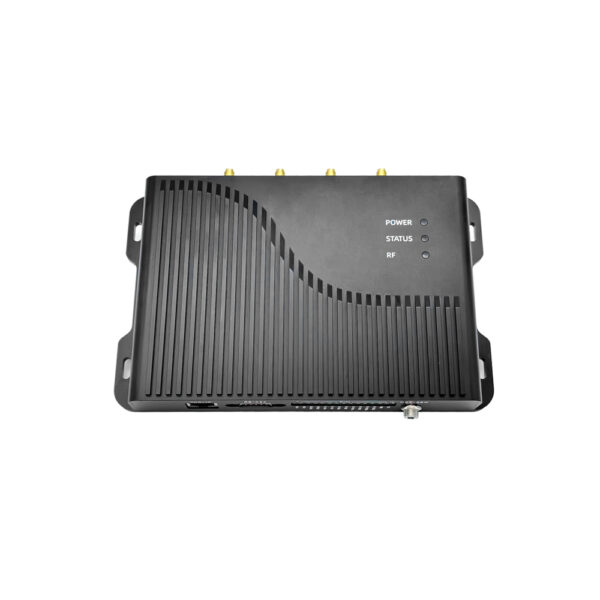
You need answers that sing to the work you’ll do, not sales prose. Start by asking how the tags will behave in your environment, how long batteries last under real shifts, and whether the network they report into plays well with your existing readers — start by checking compatible RFID Readers. Keep questions concrete. Ask for sample data, not promises. Ask how a supplier measures uptime and what failure modes they see most often.
Core questions that change procurement
Which frequency band do you require and why? How does the tag perform near metal and liquid? What read range can you expect when a tag is in motion versus static? Ask for measured performance curves, not vague ranges. Request lifecycle data: battery chemistry, replacement cadence, and safe disposal. Demand clarity on firmware — can it be updated remotely, and who signs the updates?
Integration and interoperability
Tell them the systems you already run. Ask about protocols, middleware compatibility, and whether they provide SDKs or sample code. Confirm tag identifiers and encoding schemes are stable and documented. If you use cloud services or local middleware, ask whether they supply reference integrations and a developer sandbox for testing before full rollout.
Supply chain, lead times, and scale
Ask for realistic lead times at three volumes: trial (hundreds), rollout (thousands), and steady state (tens of thousands). Who makes the tag components? What are back-up plans if a single part becomes scarce? Get shipment commitments in writing and pen test dates for your pilot batch. Know their minimum order quantities and breakpoints for price drops.
Experience, evidence and a real-world anchor
Trust comes from demonstrated work and third-party references. Cite deployment case notes and lab reports. Manufacturers clustered around Shenzhen provide much of the global RFID production capacity; that region’s supply data and trade reporting offer verifiable context for turnarounds and component sourcing. For direct supplier listings and product specs, review rfid reader manufacturers in china and compare certifications, sample reports, and factory audit notes before you commit.
Testing, acceptance and common mistakes
Don’t skip a field trial. Test tags in the exact locations and with the exact processes you’ll use. Common mistakes: trusting lab-range figures without motion testing; ignoring antenna orientation; assuming firmware won’t need tweaks; accepting verbal promises on lead time. Define acceptance criteria up front, including read-rate thresholds, battery-life window, and environmental tolerances.
Alternatives to consider
Active versus semi-active: active tags offer longer ranges and periodic beacons; semi-active may save power with wake-on-read designs. Consider hybrids: active tags for moving assets, passive or BLE for short-range inventory. If cost is the limit, evaluate tag reuse strategies and programmable identifiers to avoid frequent replacements.
Synthesizing the choice
Ask precise, testable questions. Demand measured evidence and a clear supply plan. Seek suppliers who share data, permit sandbox integration, and stand behind field trials. When your answers converge — measured ranges, compatible RFID Readers, firm lead times, and accessible firmware — you’ll have the practical certainty you need. For procurement that ends in reliable use rather than wishful thinking, consider the partner profile shown by RSTC as an example of how technical clarity, tested samples, and supply transparency resolve the questions you must ask before you order.