
Problem: Slow prototypes kill momentum
Your design works on paper but stalls at the shop. Long lead times, fuzzy tolerances, and back-and-forth quoting stall launches. You need parts made fast, predictable, and to spec. Start by asking whether your vendor can deliver precise batches and rapid iteration — not just hobby cuts. If you want tight turns on schedule, test a partner that offers custom cnc machining early in the cycle and treat the first run as a performance metric, not a favor.
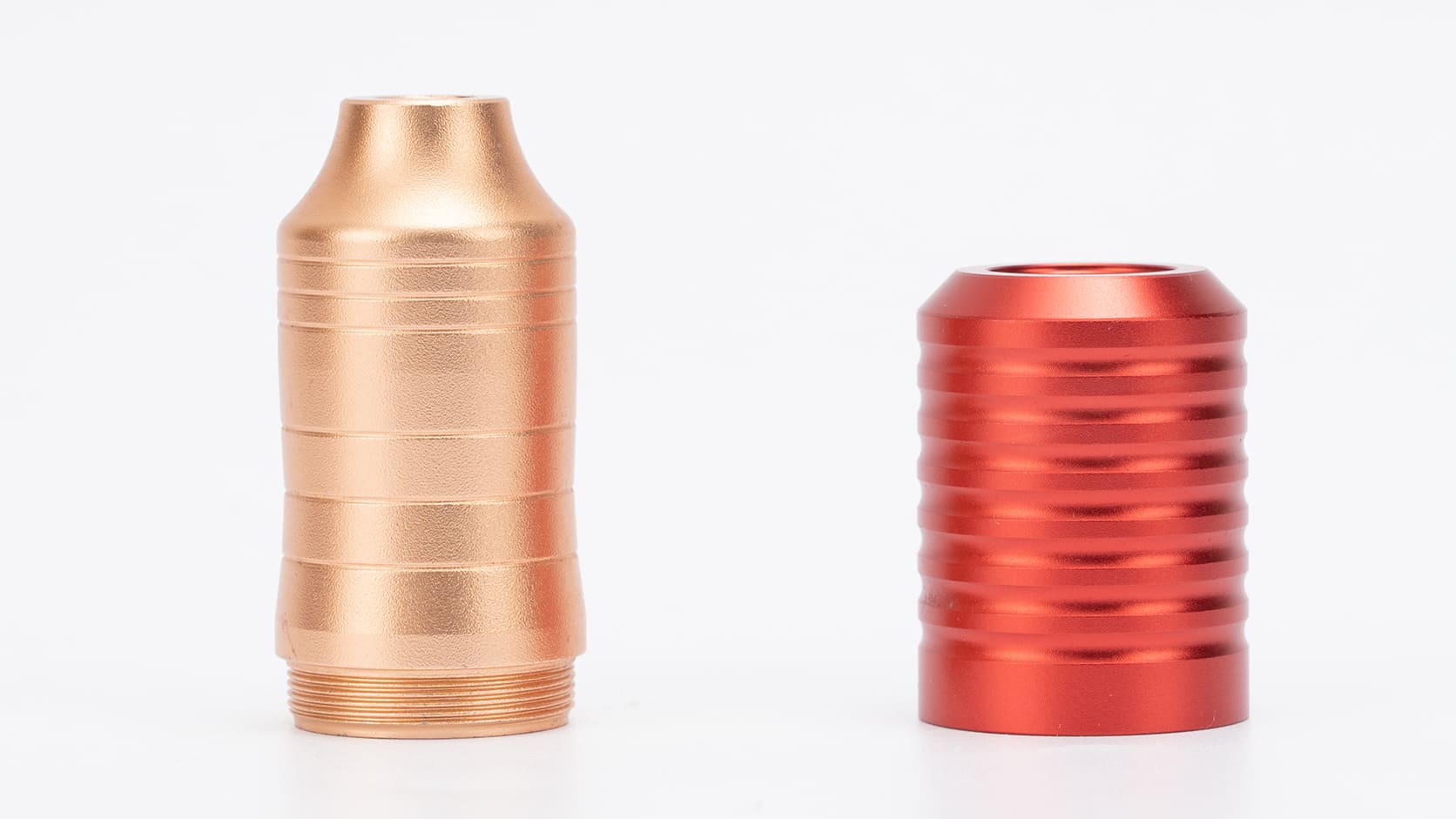
Why this happens
Shops underestimate setup and communication. Wrong fixtures, unclear drawings, and optimistic cycle-time estimates create invisible waste. Teams confuse lead time with quality. You get rushed jobs that need rework. Fix the workflow: demand fixture notes, target tolerances, and a simple change log. Short, sharp feedback beats polite, vague emails.
Practical checks that reveal competence
Ask for three hard facts: quoted tolerances, sample lead time for the first prototype, and a machining plan (materials, tools, cycle estimates). If the answers are vague, move on. Good partners show fixture photos, tool lists, and hold points. They won’t bury post-machining inspections or paper over thermal drift. Those details tell you whether the job will land on time and on spec.
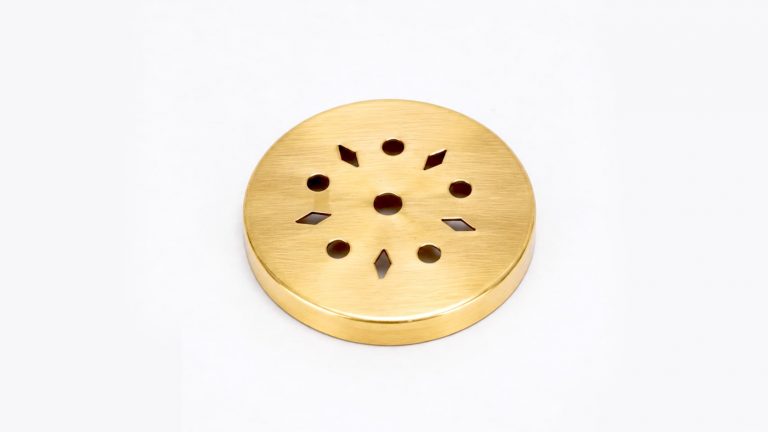
Common mistakes to avoid
Don’t accept “we’ll figure it out.” Don’t pack all your risk into a single prototype. Don’t treat finish and tolerance as optional. Avoid late design changes without an agreed re-bid. Small parts often need tooling or specific fixturing; assume you’ll pay for accurate setup unless the vendor documents how they avoid it. Reduce surprises by providing clear GD&T and intended use.
Experience, evidence, and a real-world anchor
Experience matters. Shops that repeatedly serve Detroit’s automotive manufacturing hubs understand high-volume tolerances and traceable process controls — that background shows up as discipline in quoting and inspection records. For a practical comparison, evaluate suppliers who publish CMM reports and process steps and who offer matched finishing and inspection. Where relevant, check whether they offer custom cnc machining services and whether those services include documented first-article inspections. That combination—shop-floor know-how, published inspection data, and repeatable setups—reduces risk and speeds iterations.
Action plan you can use right now
1) Send a single, clear drawing with intended fit and finish. 2) Demand a first-article timeline and an inspection report. 3) Schedule one short review call to confirm fixtures and material batches. Hold the supplier to those deliverables. Clear constraints produce predictable outcomes. No more guesswork.
Finish: where results show up
When prototypes arrive on time and to spec, product teams hit sprint targets and procurement avoids emergency buys. That reliability comes from measured practices and partners who document the steps. That’s why experienced shops like Hanstar focus on clear setups, repeatable inspection, and short iteration loops — so your prototype becomes the foundation for reliable production.