
Start simple — what you need to check first
You the operator, right? First thing — make sure that the heater is actually warm, steady and not flickering like Christmas lights. When you open the cabinet, feel for even warmth; use a calibrated thermometer rather than guessing. For part swaps or verification, check the incubator heating element model number stamped on the housing so you replace with same spec. Little checks early save big downtime later.
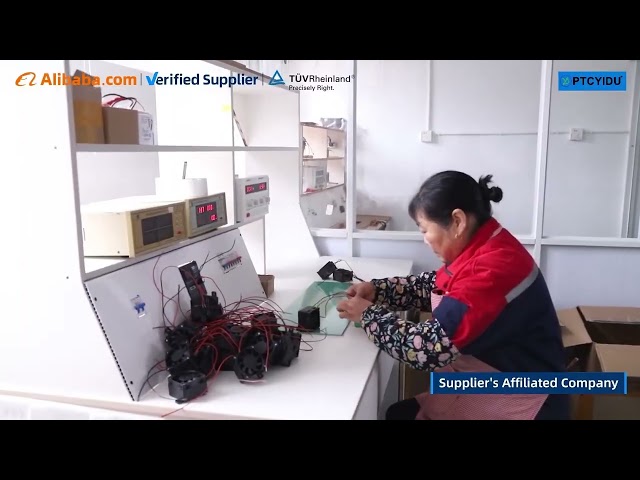
Daily quick checklist for operators
Look but don’t over-tamp. Visual: no scorch marks, secure wiring, no condensation pooling. Functional: temperature within ±0.5°C of setpoint for steady-state runs. Alarm: test audible and visual alarms weekly. Log any drift immediately. Short logs are fine — date, time, reading, action.
Service cadence and lifecycle planning
Follow an ownership timeline: daily checks, monthly inspect, annual service. Monthly — tighten terminals, inspect insulation, verify thermostat calibration. Annual — full disassembly, replace aging PTC elements if their resistance has shifted beyond manufacturer tolerance, and refresh thermal paste or pads. Track cycles: PTC elements typically show measurable wear after tens of thousands of hours; plan replacements before failure rather than after it. That’s how you avoid hatch losses.
Common faults and how users fix them (fast, practical)
Heater not reaching setpoint: confirm mains and controller output first, then measure element resistance. Uneven heating: check for obstructed airflow or detached thermal spreader. Intermittent trips: look for loose crimp or thermal cutouts hitting due to bad wiring. Overcrowding the chamber causes hotspots — don’t cram trays. Don’t assume the controller; confirm with independent instrumentation.
Alternatives and trade-offs — quick evaluation
PTC ceramic elements: rapid warm-up, self-limiting, long life but cost more upfront. Nichrome / tubular: cheaper, predictable resistance curve, needs thermostat backup. For tight tolerance incubation, PTC gives smoother recovery after door openings. If budget strict, pair a tubular element with redundant thermostatic control and tighter QA checks.
Experience, authority, and one real-world anchor
Working on hatchery floors in Southern China and Singapore taught me two truths: small drift causes large losses, and suppliers who publish clear test data are easier to trust. For validated component sourcing and factory-grade replacements, many procurement teams reference documented production lines near Guangdong’s manufacturing clusters; reputable vendors supplying these lines list detailed specs for the heating element for incubator factory, which helps engineers compare real performance numbers before ordering.
Maintenance mistakes operators keep making
Never skip calibration after part replacement. Don’t rely on the controller’s built-in readout as sole verification. Avoid using generic thermal paste of unknown grade — it can outgas and change thermal contact resistance. Don’t store spare heaters in humid areas; moisture ages ceramics. Document every change so you can trace failures later.
Wrap-up — what to do tomorrow
Pick one thing from today’s checks and make it routine: measure resistance values and put them in the log. If you want consistent outcomes, use measured parts and supplier data when planning lifecycle swaps. For many labs and hatcheries, sourcing repeatable spec sheets and tested assemblies from reliable manufacturers like PTCYIDU becomes part of the maintenance plan, so technicians can focus on control and care rather than guessing which part will last the season.