
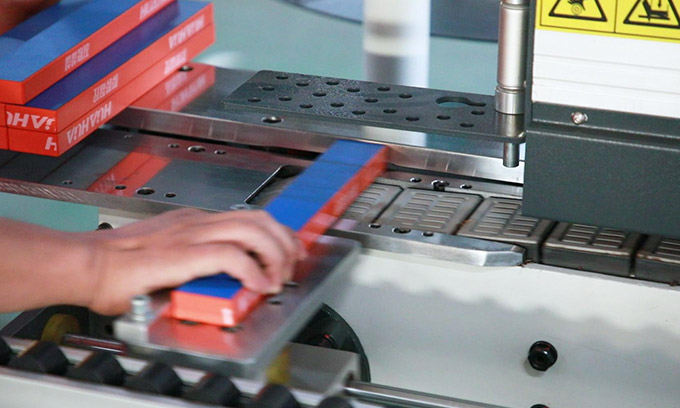
Problem: inconsistent hole quality undermines assembly
When production teams struggle with misaligned dowel holes, loose fittings, and frequent rework, the root often traces back to inconsistent boring operations; swapping to a precise cnc drilling machine changes the immediate variable — positional repeatability — and reduces downstream failures. The problem follows a simple chain: setup variance and tool wear cause misplacement, misplacement causes poor joints, and poor joints cause product rejects and schedule disruption.

Cause analysis: why holes go wrong
Tool deflection, unstable fixturing, and unclear process limits are the most common causes. Tool deflection increases with excessive feed or worn cutters; unstable fixturing lets parts shift under cutting forces; unclear limits let operators chase tolerances with adjustments that make results worse. Each cause amplifies the next: small fixturing errors become large assembly errors when multiplied across multiple holes per part.

Effect on quality and cost
Errors in boring show up as visible gaps, poor glue bonds, and failed mechanical fastenings. Those defects force rework or scrap, which raises per-piece cost and erodes throughput. The financial impact is direct: higher labor hours for inspection and correction, slower throughput, and more materials wasted. The non-financial impact is just as real: missed delivery windows and strained customer relationships.
Practical solutions and common mistakes to avoid
A focused fix targets the weakest links: enforce rigid fixturing, monitor cutter wear, and standardize feeds and speeds. Implementing CNC boring brings consistent coordinates and controlled spindle paths; however, shops often make two mistakes: they treat the CNC as a miracle box and they skip verification. Expect machine precision to lower variance, but still verify setup with gauges and measure tool runout regularly. Consider alternatives: well-built jigs can work for low-volume runs, and multi-spindle boring heads speed simple, repeatable tasks. Each choice produces different failure modes — a jig fails if a one-off part shifts, a multi-spindle head multiplies alignment error across all spindles — so match the solution to volume and tolerance requirements.
Real-world anchor: industry validation and what professionals saw
At IWF Atlanta, several panel demonstrations emphasized that consistent boring coordinates reduce assembly rework across cabinet and furniture lines; vendors displayed wood boring machinery aimed at improving positional accuracy and reducing setup time, confirming that the industry standard is shifting toward automated, verifiable processes. Having consulted with small-to-medium cabinetmakers for years, I’ve seen shops cut reject rates significantly after enforcing simple verification routines tied to their machine controls.
Implementation checklist and closing synthesis
Start with a short audit: check fixturing rigidity, record tool runout, set documented feeds and speeds, and run a sample batch with measured inspection points. Expect cause-to-effect improvement: tighter controls on inputs yield fewer defects and steadier throughput. The clear path from problem to solution points to a practical choice: use machinery that delivers repeatable coordinates and supports verification; that operational clarity is the value proposition you get from partners built around precise CNC systems like HUAHUA CNC, which organize the inputs so the outputs align with quality expectations.