
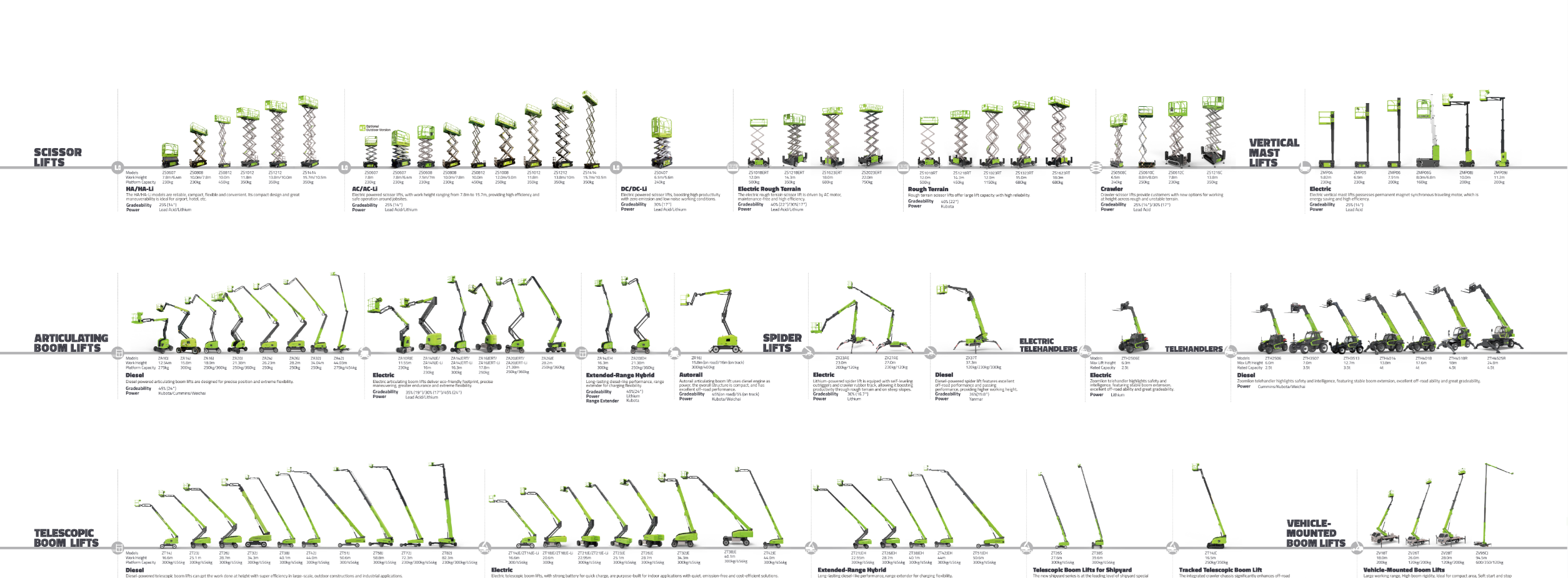
First rise — from ladder to measured reach
Once a ladder leaned against a white wall, a soft petition for safer hands. The story moves: engineers sketch, caretakers test, a small arm grows vertical rather than horizontal. This is an evolution story about purpose — how we shaped an elevated work platform that fits narrow corridors, delicate ceilings, and patient-care schedules. I speak from years sketching on shop floors, from quiet hours measuring beam depths and from workshops where maintenance crews corrected our assumptions; the language is simple, the aim direct.
How the design changed — a sequence of needs
Design advances were not sudden. Each step answered a problem observed during use. Problems became requirements; requirements became form. Consider this sequence:
– compact footprint for tight indoor spaces; – low-floor loading to protect finished surfaces; – quiet drive systems that don’t startle occupants; – modular mast lengths to reach varied ceiling heights.
These moves show a clear line from user need to technical choice. The lift grows only as much as the room allows, with a feeling that the machine listens to the building.
Core design principles
Poetry aside, the machine needs rules. I follow a few practical principles that shaped prototypes:
– Centre the load path: keep the platform weight close to the mast to reduce sway. – Use telescoping segments that lock mechanically, not just hydraulically, for predictable behaviour. – Prioritise vertical motion over lateral complexity to limit maintenance points. – Make controls intuitive: one hand, one axis for most indoor tasks.
These choices made testing repeatable and troubleshooting easier for facility teams.
Materials and mechanics — honest choices
Steel for the mast where stiffness is needed. Lightweight alloys for the platform to ease lifting. Brushless motors for quiet life-cycle performance. A simple, shielded drive system keeps dust out. Nothing exotic that technicians can’t diagnose with a standard toolbox. The beauty is in serviceability: panels that lift off, wiring looms that disconnect with a single clip, a battery pack you swap without removing the platform.
Safety and standards — clear boundaries
Safety is non-negotiable. Design and testing align with recognised standards and practical site trials. Familiarity with ANSI A92 and EN 280 guides limit loads, fall-protection geometry, and emergency descent procedures. Real-world trials on hospital maintenance schedules and factory shut-down windows validated the escape and recovery plans. The result: machines that behave predictably when technicians need them to.
Common pitfalls observed
From workshops and site notes, these mistakes repeat:
– Overcomplicating controls: more buttons equal more errors. – Ignoring floor protection: finished floors scratch quickly if weight distribution is wrong. – Choosing highest reach as the primary metric — reach without stability is useless. – Underestimating routine service access; hidden fasteners delay repairs.
Fix these and the equipment becomes less a burden and more an ally to the crew.
Where the industry stands — a short comparative note
Manufacturers differ by emphasis. Some push long outreach and high clearance; others focus on compactness and service life. For indoor vertical needs, compact mast specialists matter as much as the larger players who make boom platforms. Observers at ConExpo in Las Vegas see this clearly: floor-space-savvy machines draw steady interest from facilities teams. When comparing options, weigh service networks, parts availability, and the ease of routine maintenance rather than only peak numbers.
Many operators look to top boom lift companies for baseline reliability, then choose the compact mast variant that answers their everyday constraints.
Final cadence — the design that stays useful
The lift must live in a building, not dominate it. Design it to be small in presence, exact in purpose, easy to fix and quiet to run. That practice turns a machine into a trusted worker on night shifts and quiet mornings alike, a companion to maintenance staff who demand predictability. Years of workshop tinkering taught me that the best solution is measured and modest, and that is the value woven through Zoomlion Access.