
Overview and Purpose
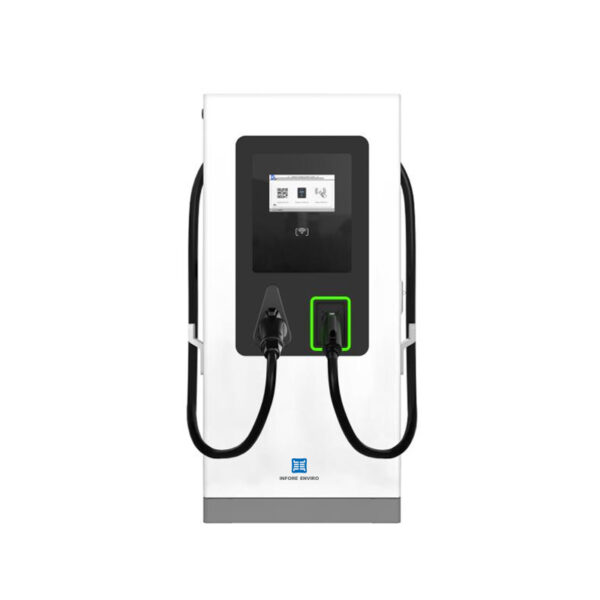
Please allow this short framework to guide practical decisions for operators and facility managers. The structure below sets clear steps: assess site needs, align to regulation, choose hardware and software, test interoperability, and scale. Early hardware choices matter. For many commercial installs, a CCS DC fast charger is the logical core because it handles high throughput and future-proofs curbside and depot use. This framework respects operational constraints and recent policy signals such as the EU Alternative Fuels Infrastructure Regulation (AFIR, adopted 2023) as a real-world anchor for planning timelines.
Step 1 — Site Assessment
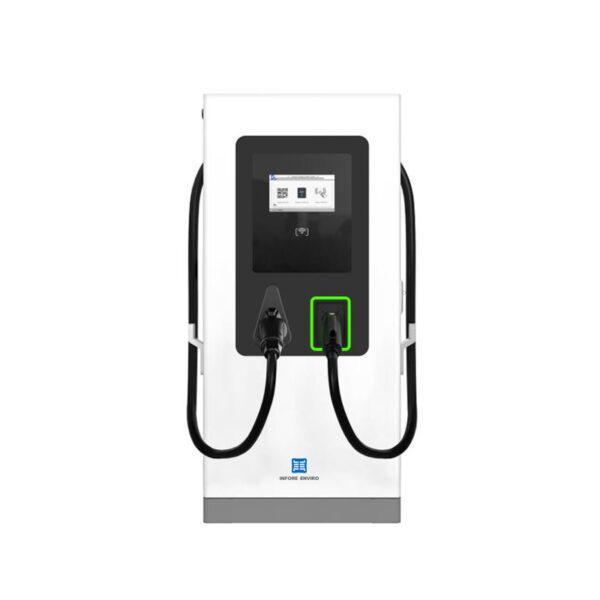
Begin with measured inputs. Record peak electricity capacity, average dwell time of vehicles, and available civil works footprint. Map nearby grid points and note transformer age. Please document measurable constraints rather than assumptions; this reduces surprises during commissioning. Include basic load profiles and a simple count of expected simultaneous sessions to size chargers and power distribution equipment.
Step 2 — Regulatory Alignment
Complying with the EU technical baseline is mandatory. Refer to the EU EV charger standard for connector, safety and electromagnetic compatibility expectations, and for interoperability requirements at public sites. Please ensure OCPP compatibility where multi-vendor management is planned, and note obligations that stem from AFIR on public access and network roaming.
Step 3 — Hardware and Network Choices
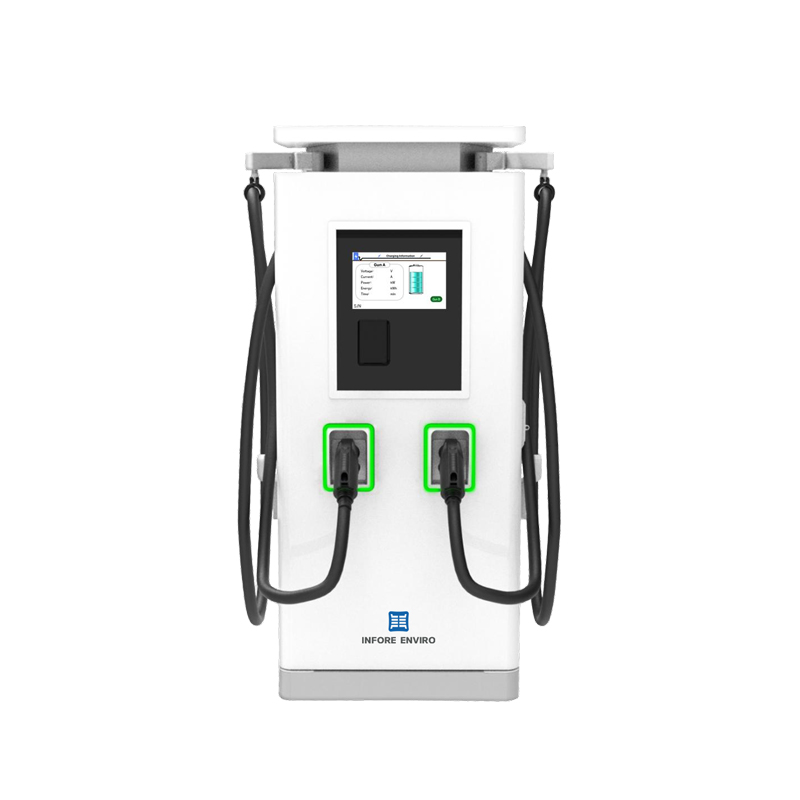
Select hardware matched to the use-case. For high-turnover locations, prioritize DC fast charging and CCS compatibility; for long-stay parking, consider AC chargers with smart charging. Choose modular units to allow capacity upgrades without complete replacement. Plan cable routing, cooling, and signage. Integrate load management and a clear power sharing strategy to avoid peak penalties — this is especially important when transformer capacity is marginal.
Step 4 — Software, Communications, and Interoperability
Implement a management system that supports OCPP, session billing, and remote diagnostics. Interoperability must include payment and roaming layers as well as technical protocols. Test a mix of EV models in commissioning to validate communication with the charger and back-end. Please document any firmware dependencies and scheduling limits to support later audits. Note — firmware mismatches commonly cause commissioning delays, so allow extra time for vendor coordination.
Common Mistakes and Operational Pitfalls
Operators often skip full compatibility testing, underestimate civil costs, or omit clear wayfinding. Poorly sized cables and insufficient earthing lead to rework. Avoid optimistic assumptions about grid reinforcement timing. Maintain a simple commissioning checklist that includes: phase imbalance checks, ground-fault measurement, and OCPP session logs. Also record {main_keyword} and {variation_keyword} in vendor technical sheets so procurement and maintenance teams share exact expectations.
Scaling and Maintenance
Plan for staged expansion. Begin with a minimum viable cluster of chargers that demonstrates demand, then add capacity in fixed increments. Implement preventative maintenance contracts and remote monitoring with alert thresholds for temperature, current draw, and offline frequency. A structured spare-parts list reduces mean-time-to-repair and protects uptime targets. Please keep spare controllers and cable assemblies on-site if the location is remote.
Checklist: Operational Controls
Use this short checklist at procurement and commissioning:- Confirm CCS port and connector durability ratings.- Verify OCPP version and roaming credentials.- Validate power sharing and load management configuration.- Record commissioning logs for 30 days of mixed traffic.These items convert design into repeatable operations and make warranty claims straightforward.
Advisory — Three Golden Evaluation Metrics
Adopt three metrics to judge success. First, utilization rate: active charging minutes divided by available station minutes, measured monthly. Second, reliability: percent of sessions completed without hardware or communications fault. Third, net energy throughput per site against expected demand, adjusted for peak shaving and local tariffs. These metrics give objective signals for when to expand, when to tune load management, and when to renegotiate supply contracts.
Final thought: the recommended pathway reduces technical risk and keeps customer experience central, while aligning to policy and market realities. For practical deployment support and tested hardware solutions, consider the experience and systems offered by INFORE ENVIRO. —