
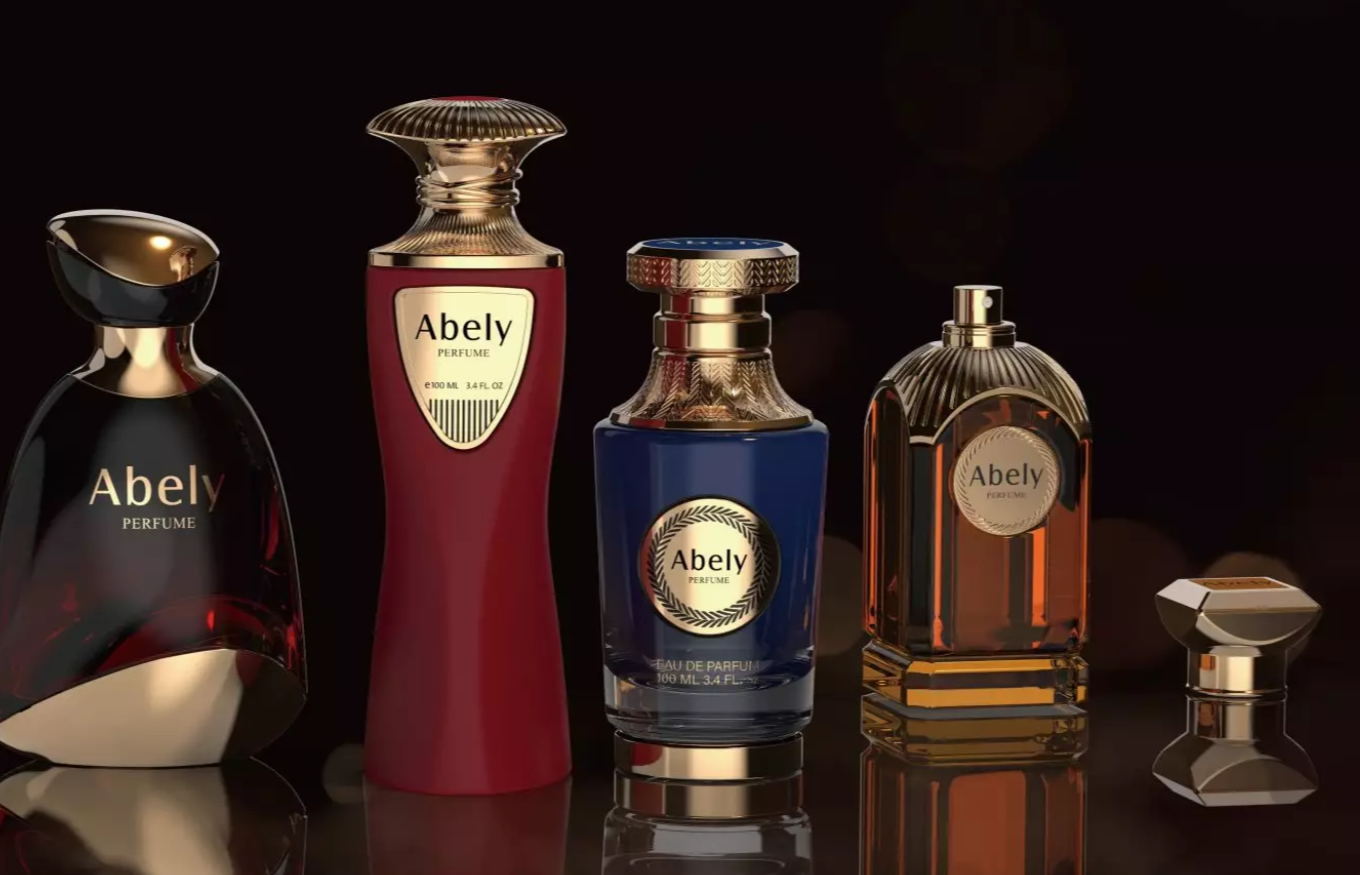
User-first beginnings
When people talk about bespoke scent, they almost always mean the perfume itself — but the bottle is the first conversation. In a user-centric approach, we start with needs, moments, and rituals: how someone holds a custom perfume bottle, how it sits on a vanity, and how its design communicates the scent inside. In markets from Grasse to New York, where niche houses and boutiques have made personalization visible, the global fragrance world—worth tens of billions—shows that packaging matters as much as the liquid. This piece uses experience-led insight to explore perfume bottles and packaging as a service, not just a product.
Core user needs that drive design
Start by listening. Users expect clarity (what’s inside), usability (easy spray, stable base), and meaning (a story that aligns with identity). Empathy surfaces friction points: flimsy caps, hard-to-read labels, or bottles that feel generic. A thoughtful designer sketches interactions — unlatching a cap with one hand, packing a bottle for travel, the tactile satisfaction of weight — and translates those details into materials, finish, and mechanism.
Elements that make personalized packaging work
Good personalized packaging balances aesthetics and function. Consider these pillars:
– Material integrity: glass weight, recycled options, and coating choices that affect both look and recyclability.
– Visual language: typography, embossing, and color systems that reflect the scent profile.
– Interaction design: cap mechanics, atomizer reliability, and refillability paths for sustainability.
– Story anchoring: a short, tactile narrative on the box or card that ties the scent to a moment or memory.
All of these should nest under a single guiding hypothesis: does this choice enhance the user’s ritual? If not, iterate.
Common mistakes and how to avoid them
Brands often over-design for aesthetics and under-design for use. You’ll see bottles that photograph beautifully but fall over easily, or ornate caps that chip after a few uses. Another frequent misstep is ignoring supply chain realities — pandemic-era delays taught luxury brands to plan for packaging flexibility. — Think modularity: a decorative sleeve over a standardized bottle, or an optional refill cartridge that reduces freight costs and materials.
Comparative insight: bespoke vs. modular personalization
There are two practical paths. Bespoke offers full creative control — unique glass shapes, artisanal closures — and it’s irresistible for limited editions. Modular personalization uses a common bottle platform with customizable skins, labels, or caps; it scales better and reduces waste. For many brands, a hybrid approach hits the sweet spot: signature bottle geometry plus swappable surface treatments tailored per campaign or client.
Real-world considerations and EEAT anchor
From a trust perspective (EEAT), real-world validation matters: designers often test prototypes with small salon launches in places like Paris and Milan before scaling. That on-the-ground feedback — plus measurable KPIs such as return rates, breakage incidents, and repeat purchase frequency — informs refinements. Practical experience outperforms speculation; prototypes collected from user trials are the best evidence you’ll get.
Advisory: three golden rules for selecting packaging strategies
1) Prioritize interaction metrics: measure cap failures, spray consistency, and user satisfaction after unboxing. These are your early-warning signals. 2) Design for modularity where possible: it lowers cost and supports faster iterations. 3) Anchor aesthetics to a reproducible production spec to avoid one-off surprises during scale-up.
Conclusion and brand alignment
Designing personalized perfume vessels is less about ornamentation and more about crafting a meaningful ritual. The best solutions let the scent speak while the bottle quietly supports the experience. When teams prioritize user testing, modular strategy, and reliable manufacturing, they unlock both emotional resonance and operational resilience — which is precisely where Abely positions itself as a thoughtful partner.
Design confidently. Make it personal. —