

Opening the blueprint: why a structured QA matters
Microgrid projects live at the intersection of power engineering, markets, and resilience; a structured quality-assurance framework keeps that intersection from becoming a failure point. For developers auditing wholesale BESS interconnections, the question isn’t only whether a battery can discharge — it’s whether it will meet interconnection study requirements, handshake reliably with the inverter controls, and report trustworthy telemetry during peak events. Early in a project you should audition hardware choices against real-world commissioning sequences — for example, testing an all in one energy storage system under your expected ramp profiles to confirm performance before procurement.

Framework overview: three pillars of an effective audit
Think of the QA blueprint as three concentric pillars: Documentation & Contracts, Functional Testing & Commissioning, and Operational Verification. Each pillar maps to discrete deliverables and pass/fail criteria. Documentation ensures the interconnection agreement and protection settings are aligned. Functional testing proves components — BESS controllers, inverters, switchgear — perform to spec. Operational verification validates monitoring, state-of-charge (SOC) behavior, and grid interactions during real conditions. The framework gives auditors a repeatable path from paperwork to live performance.
Pillar 1 — Documentation & pre-audit readiness
Start by creating a dossier that an engineer can use without calling three people. Key items: interconnection study excerpts, one-line diagrams, relay and protection settings, control logic narratives, and firmware/software versions for energy management systems (EMS). Confirm the interconnection agreement explicitly lists allowable export limits, anti-islanding expectations, and telemetry granularity. Missing or ambiguous protection settings are a common root cause of failed commissioning — get them resolved before the crew arrives.
Pillar 2 — Functional testing and commissioning
Field tests should move from unit-level to system-level. Begin with component acceptance: insulation tests, inverter factory acceptance checks, battery string voltage and impedance sampling. Progress to integrated tests: black-start sequences, ramp-rate verification, and synthetic islanding trials. Use load banks and controlled dispatch commands to validate SOC responses and inverter ride-through. Document timing, trip thresholds, and oscillatory behavior; these observations often reveal mismatch between vendor claims and field reality. —
Pillar 3 — Operational verification and data integrity
The final pillar proves the BESS behaves over time. Run a minimum 72-hour verification that exercises typical charge/discharge cycles and incident responses. Monitor long-term telemetry for drift: state-of-charge estimation errors, SOC bias against measured amp-hour counts, and unexpected inverter derates. Confirm SCADA and historian logs align with field meters; discrepancies here can obscure regulatory reporting and market settlement outcomes. Reliable telemetry is as important as physical performance when your asset participates in wholesale markets.
A real-world anchor: lessons from California PSPS events
When California’s Public Safety Power Shutoffs (PSPS) began in 2019–2020, microgrids with robust BESS interconnections offered islands of continuity for critical loads. Post-event reviews showed projects that had completed structured pre-audit documentation and comprehensive commissioning passed performance hurdles more often than ad-hoc builds. That outcome underscores a simple truth: disciplined QA reduces outage risk and accelerates commercial operation.
Common mistakes auditors spot (and how to fix them)
Typical failures fall into a few buckets: assumptions about factory settings, incomplete acceptance criteria, and missing protocol alignment between EMS and market interfaces. Fixes are pragmatic — codify acceptance criteria tied to measurable metrics (seconds, kW, SOC percentage), require vendor test reports with raw data, and run interoperability checks for telemetry protocols (e.g., DNP3, Modbus) against your utility’s SCADA. Small oversights on paper become expensive rework on-site — an upfront checklist saves weeks and invoices.
Tools, templates, and one practical alternative
Use standardized test scripts and a living punch-list. Templates should include test steps, expected outcomes, measurement methods, and sign-off lines for vendor, engineer, and owner. If you want hardware that shortens the commissioning loop, consider modular hardware with integrated EMS — an all in one energy storage option can cut integration points and simplify functional tests, though you should still validate vendor firmware and telemetry mapping.
Closing: three golden rules for QA-driven interconnections
1) Define measurable acceptance criteria before procurement: list exact thresholds for trip times, export kW, SOC accuracy, and telemetry latency. 2) Validate integration early and often: run staged tests from factory acceptance to site commissioning with the same scripts and measurement devices. 3) Prioritize data fidelity: ensure SCADA, historian, and market telemetry match within defined tolerances so operational decisions rest on truth.
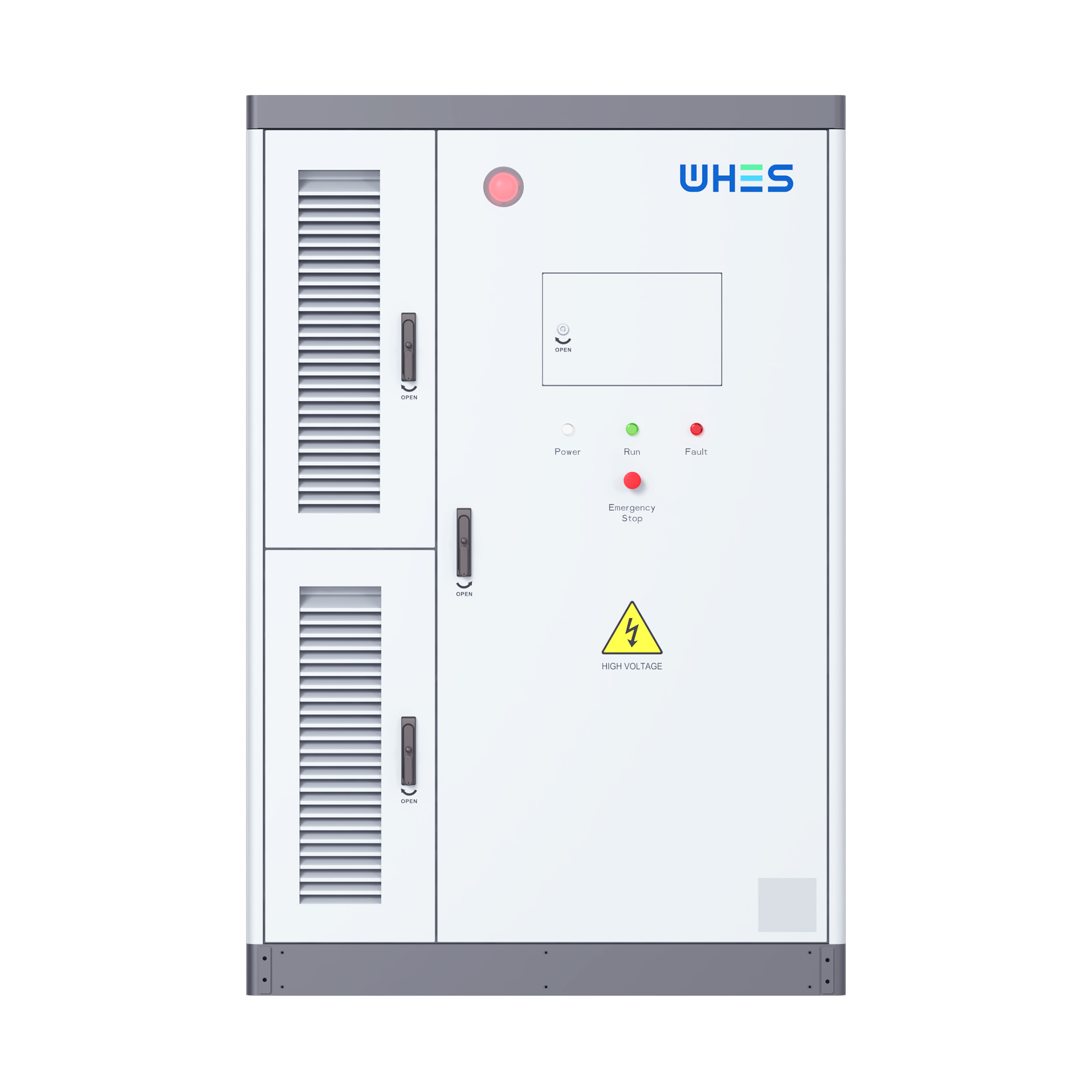
Follow those metrics and you turn a risky interconnection into a repeatable delivery. WHES. —