
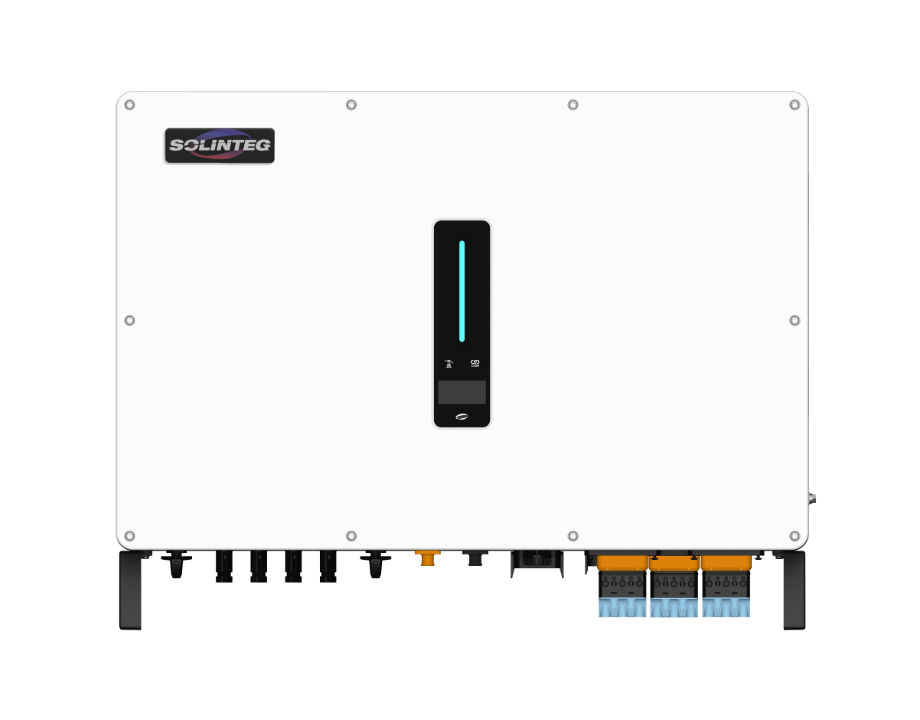
Intro: quick take, heads-up
Commercial projects need gear that’s tough, smart, and keeps the lights on when the grid flakes—so here’s the lowdown on why a solid commercial inverter matters. For setups that want islanding, demand response or extended runtime, pairing a commercial inverter with solar battery backup is where you get real value: cleaner dispatch, better uptime, and simpler controls. This piece compares options, flags common screw-ups, and spots where batteries for real-world storage actually change the math.

What a commercial inverter actually does
A commercial inverter converts DC from panels or battery banks into AC the building and grid use. It also handles MPPT tracking, grid synchronization, and often battery charging logic in hybrid systems. When rated and configured right, it reduces total harmonic distortion, improves power factor, and enables peak shaving. Industry terms: commercial inverter, MPPT, power factor—short, useful, not flashy.
Comparative insight: inverter types and where batteries fit
Central inverters scale well for big roofs and utility-adjacent sites. String inverters suit segmented arrays and phased rollouts. Hybrid inverters tie batteries and PV together so you get seamless backup and charge management. For real-life battery integration, consider how the inverter talks to the BMS and whether it supports charge-discharge schedules. If you want to read product specs, check how they list round-trip efficiency and recommended battery chemistries—then match that to your load profile. Also see options for batteries for solar power storage if you need factory-matched systems that cut commissioning time.
Real-world anchor: why backup matters now
Events like the February 2021 Texas power crisis showed that large-scale outages can hit entire regions and leave customers offline for days. Commercial inverters with battery support let businesses ride through those spikes and maintain essential services. Grid-tied plus battery setups also offer revenue pathways: peak shaving, demand charge reduction, and participation in ancillary markets. Those are tangible benefits seen on rooftops from Houston to Sacramento.
Common mistakes crews make — and how to dodge them
Designing without margin is the single biggest error. People pick inverters sized perfectly to nominal PV output and forget derating for heat, so real-world yield drops. Another slip: mismatched communications between inverter and battery BMS—this leads to odd charge cycles and premature wear. Also, specs get quoted in ideal lab conditions; always ask for field-tested numbers. — Don’t skimp on commissioning. Proper relay settings, anti-islanding tests, and telemetry tuning fix half the headaches before they start.
Quick comparison of outcomes
Central inverter: best for big arrays, lower install hours, fewer points of failure but less modular. String inverter: flexible and easier to service, good for phased installs. Hybrid/commercial inverter with integrated storage: best for consistent backup and grid services. Evaluate on efficiency, maintainability, and how well the control firmware handles battery cycles and real-time dispatch.
Advisory: three golden rules for choosing the right setup
1) Match duty to rating — select an inverter whose continuous and surge ratings cover real load profiles plus a safety margin. Track expected PV derate for temperature and dust.
2) Prioritize BMS compatibility and communications — ensure the inverter supports the battery’s protocol, state-of-charge reporting, and configurable charge limits to preserve depth of discharge (DoD).

3) Verify field-proven efficiency and serviceability — get performance data from installations in similar climates and confirm local support for firmware updates and repairs.
Closing thought
Pick a commercial inverter that’s honest about real-world performance and pairs cleanly with battery systems, and you get uptime, predictable bills, and optional revenue streams. For projects that need tight integration and fast commissioning, SOLINTEG sits where product clarity meets real installs — a practical route to reliable storage and power. —