
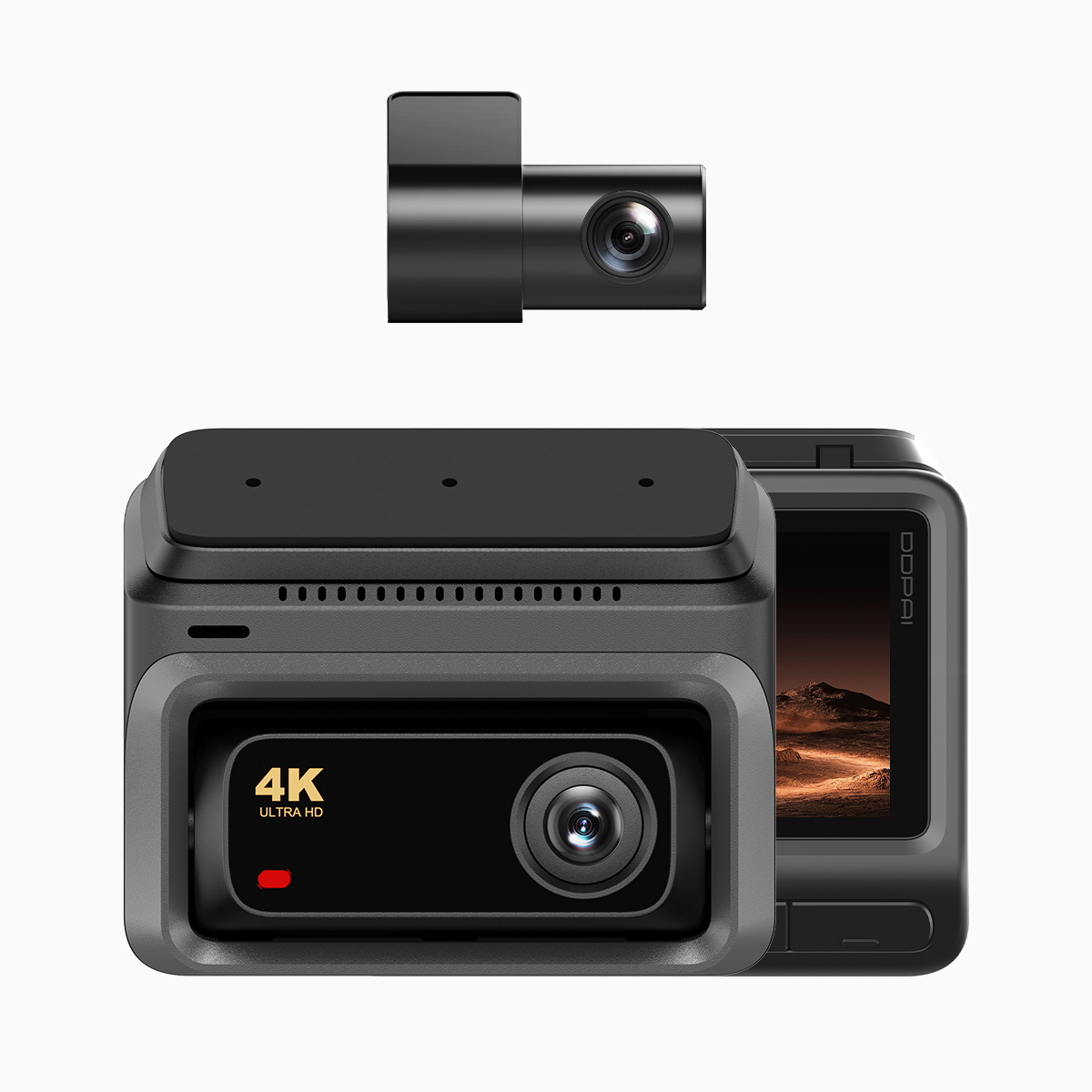
User-First Snapshot: What drivers actually need
Your dash cam needs to stay where you put it — during heat, rain, stop-and-go traffic and those brutal monsoon weeks in Manila. A solid mount matters more than megapixels. Modern units pair a reliable 4G module and cloud features with electrostatic stickers that promise rock-solid adhesion without gunk. If you’re eyeing a 4g dash cam, pick hardware that treats mounting as a core feature, not an afterthought.

How electrostatic stickers actually work (fast tech brief)
Electrostatic stickers create a temporary adhesion by using a charged dielectric layer that clamps to glass without glue. That removes residue problems from traditional adhesive pads. Two relevant mechanics: thermal cycling and humidity. Thermal cycling (hot day to cool night) can loosen classic adhesives; electrostatic tech is less vulnerable because it relies on contact charge rather than a weakening polymer. The result is consistent contact for GPS logging and uninterrupted cloud sync when paired with cellular connectivity.
Real-world stressors: Tropical humidity and why it’s different
Tropical humidity — often 70%+ relative humidity in places like Metro Manila during monsoon season — increases moisture at the glass interface and magnifies thermal shifts. Moisture can act as a lubricant under adhesive substrates, causing suction mounts or tacky pads to slip. Electrostatic stickers, by contrast, tolerate surface moisture better because their force is electrostatic rather than mechanical. That doesn’t mean they’re invincible; prolonged condensation or oily residue still degrades contact over time.
Common user mistakes that break adhesion
Drivers treat mounts like accessories. They aren’t. Typical mistakes: mounting to textured or tinted areas, skipping a glass wipe, reusing a visibly soiled sticker, and ignoring firmware updates that sometimes tweak power profiles for the 4G radio or internal heating behavior. Clean glass with isopropyl, press firmly for 10–20 seconds, and don’t stick over defrost lines. Small habits matter. — Also don’t assume all stickers are the same; thickness, dielectric composition and backing texture vary widely.
Alternatives and trade-offs
Suction cups are cheap and easy but degrade under heat and dust. Permanent adhesive pads bond well but leave residue and complicate removal. Magnetic mounts need metal plates and can interfere with some sensors. Electrostatic stickers sit between convenience and performance: no residue, removable, and stable if you prep the surface. For teams or fleet installs, consider units with a heat-tolerant adhesive backup or a hybrid mount system that combines electrostatic contact with a low-profile hook for redundancy.
Performance checklist for buying and installing
Look for three things: a proven mounting system, firmware that supports thermal management, and a robust 4G radio with sensible power draw. Test installs across temperature swings and document where condensation appears. If your unit advertises cloud features, test the upload behavior under real network constraints — bandwidth and latency matter for live streaming and event upload. For most drivers, a combo of electrostatic sticker + periodic surface cleaning delivers the best uptime for both local recording and dash cam with cloud storage.
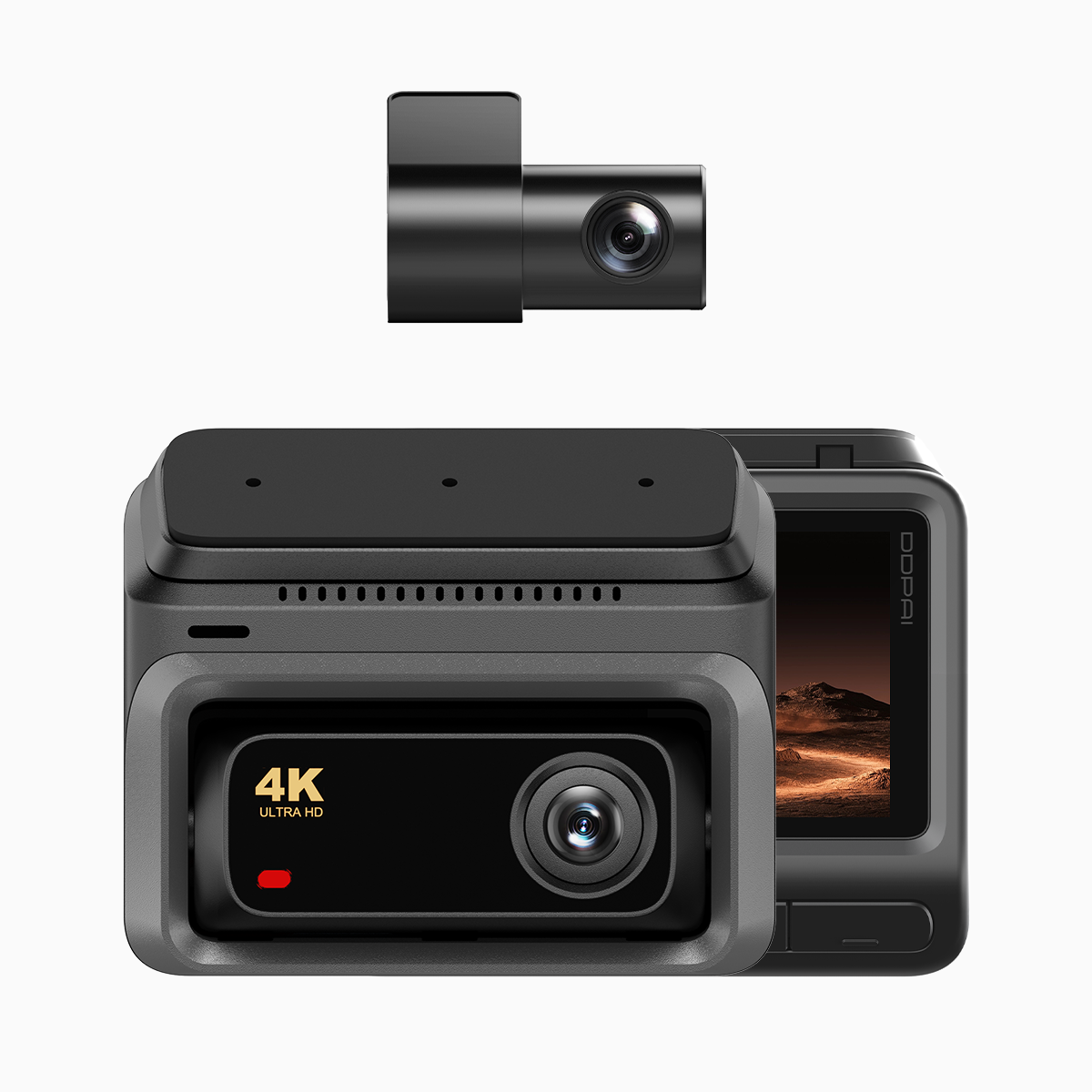
Setup tips for maximum uptime
Wipe the glass, align the camera to avoid windshield curvature stress, and give the sticker a minute to settle. Keep firmware current — sometimes updates tweak the device’s idle heat signature which affects adhesive life. If you’re logging GPS data or relying on cloud sync, run a short trip to confirm continuous connectivity and stable mounting under real vibrations.
Golden rules for buyers (three metrics to judge by)
1) Mount stability: measure drift after a 30-minute drive under high humidity. Expect less than 5 degrees of movement. 2) Thermal resilience: device should report normal operating temps after parking in sun for an hour. 3) Cloud reliability: confirm event upload success rate over cellular across at least three trips — above 95% is solid. These practical metrics separate hype from hardware reality.
Solid mounts and smart firmware turn good hardware into dependable street-level cameras. For practical installs in humid regions, the mix of electrostatic technology and tested cloud features is the real win — and that’s where the DDPAI lineup shows its value, with thoughtful engineering and region-ready support via DDPAI Philippines.
Last thought — trust the tech, but treat the mount like maintenance.