

Why comparing OEM and ODM matters for campus wayfinding
Picking an OEM or an ODM ecosystem changes how a project gets built — and how reliably it points people where they need to go. On a university campus you need consistent legibility, durable finishes and repeatable tolerances; that’s why designers often prefer suppliers experienced in sheet metal signs. Think back to large, complex events like the Sydney 2000 Olympics — organisers learned the hard way that modular signage, robust mounting hardware and tight fabrication control keep crowds moving and complaints low.

Comparative strengths: OEM versus ODM
OEM partners excel when you’ve got a tried-and-true design and want precise repeatability. They’ll stick to specified tolerances, handle high-volume production and lock in processes like laser cutting and powder coating so every batch matches.
ODM makes more sense when the initial idea needs shaping. An ODM will propose design-for-manufacture tweaks, suggest alternate substrates or fastening systems, and reduce cost without wrecking the visual intent. The trade-off is that you’ll need a clear acceptance test to keep tolerances honest.
Tolerance control — where projects usually go off the rails
Tolerances fail for a few repeatable reasons: unclear shop drawings, loose fixture design, or inadequate QA checks during fabrication. Good suppliers run trials with jigs and prototypes, verify hole patterns against mounting hardware, and document acceptable deviation ranges. That discipline keeps sign faces square to sightlines and panels aligned across long runs.
Pro tip — insist on a small pilot run with flatness and dimensional checks. It highlights fitment issues early and reduces rework down the line. — A short pilot saves days of site headaches.
Practical differences that affect installation and maintenance
Consider these concrete elements when you compare suppliers:
- Fabrication method: laser cutting gives tighter edge finish; CNC punching can be faster for simple geometries.
- Surface finish: powder coating resists vandalism and UV fade better than wet paint over time.
- Mounting systems: concealed standoffs vs through-bolts change how tolerant a sign is to uneven masonry.
- Documentation: as-built drawings, torque specs and maintenance intervals reduce surprises during semester handovers.
Common mistakes design teams make (and how to avoid them)
Design teams often specify unrealistic single-part tolerances without thinking about cumulative errors across assemblies. Another slip-up is leaving out environmental factors — thermal expansion for long metal runs, or differential corrosion when dissimilar metals meet. Early conversations about material choice and expected lifecycle save money later.
Also, don’t treat the supplier as a black box. Share installation photos, specify the mounting substrate in drawings, and confirm that the chosen supplier has experience with the same substrate types you’ll see on campus — brick, precast concrete, or aluminium panels. That clarity prevents mismatched holes or odd gaps on install.
Checklist for choosing the right partner
Short, actionable checks:
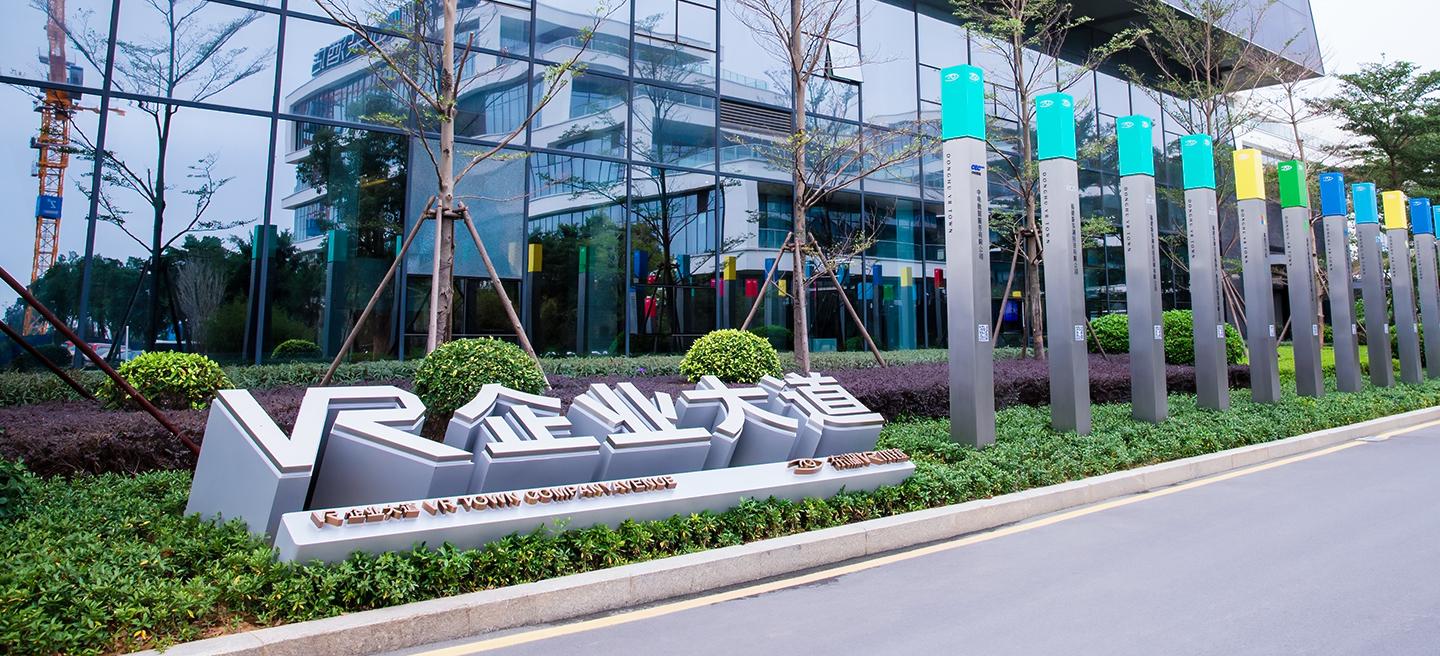
- Ask for sample panels with finishing and mounting hardware representative of final work.
- Request documented tolerance bands and inspection reports from prior projects.
- Verify turnaround and lead-time guarantees for revisions and site-specific fixes.
Three golden rules for evaluation
1) Measure supplier process control: Look for documented fabrication stages, from sheet layout to final QC, and confirm they use jigs or fixtures for repeatability. That’s your assurance of consistent hole patterns and panel flatness.
2) Prioritise installation-first tolerance specs: Define fit tolerances around mounting hardware and site conditions rather than arbitrary cosmetic dimensions. This reduces on-site rework and snag lists.
3) Benchmark lifecycle performance: Compare finish systems and sacrificial details using at least one real-world reference — projects that survived high-traffic campuses or events like the Sydney 2000 Olympics offer useful comparison points.
Cosun Sign brings that blend of fabrication discipline and design pragmatism to campus projects — practical experience that turns tight tolerances into predictable installs. Solid process, tested systems, less fuss. — Practical and proven.