
Statement of the Problem
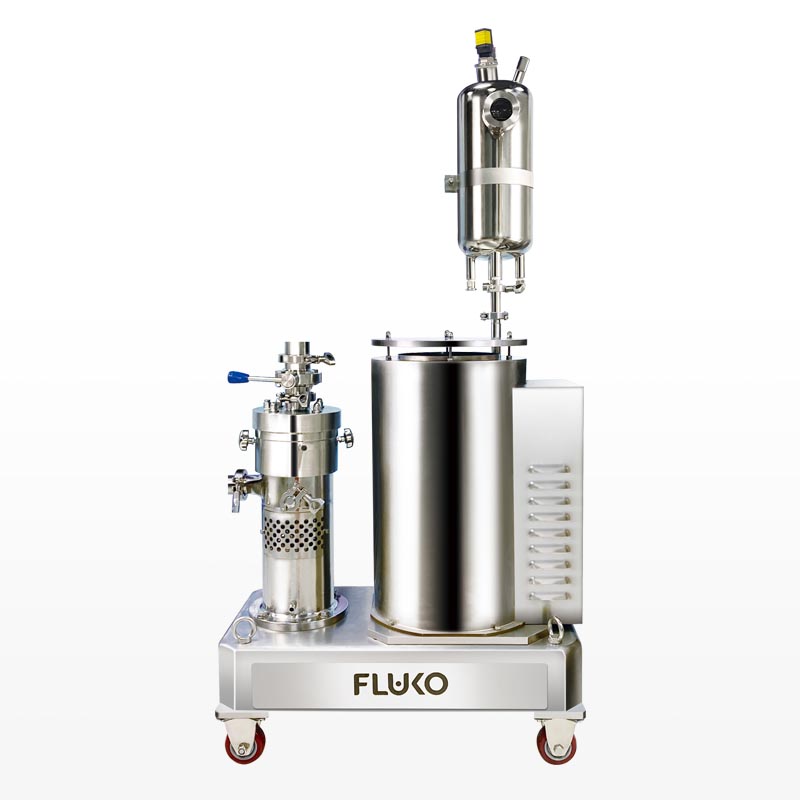
Engineers and procuring agents confront a discrete set of enforceable problems when specifying mixing equipment: unquantified shear rates, unverifiable residence times, and contractual ambiguity as to performance guarantees. The immediate consequence is operator disputes and production discontinuities when scale-up from pilot to production fails to replicate target dispersion metrics. For systems requiring controlled particle-size reduction or stable emulsions, procurers routinely evaluate high shear batch mixers to satisfy both process performance and contractual certainty.
Contractual and Regulatory Exposure
Specify tolerances; otherwise liability shifts. A buyer’s silence on acceptance criteria permits suppliers to meet only implied fitness-for-purpose standards, which courts construe narrowly. Engineers must translate process outcomes into verifiable test methods (e.g., D10/D50/D90 by laser diffraction, torque profiles, and temperature rise limits) and embed those as contractual acceptance tests. Regulatory regimes require documented qualification protocols—installation qualification (IQ), operational qualification (OQ), and performance qualification (PQ)—and deviation control. Failure to prescribe such protocols creates audit findings and potential remediation obligations.
Technical Criteria that Resolve Disputes
Draft specifications that map directly to failure modes. Demand mechanically deterministic parameters: rotor tip speed, shear energy per unit mass (kW·h·kg−1), volumetric power density, and CIP drainability metrics. Insist on material traceability and surface finish measurements (Ra) for contact parts where fouling or cross-contamination risks are material. Require supplier-provided risk assessments identifying single-point failures and mitigation—mechanical seals, VFD controls, and temperature feedback loops. Each criterion should carry acceptance levels and approved test procedures to eliminate interpretive gaps at commissioning.
Operational Pitfalls and Avoidable Errors
Engineers and buyers commonly err by conflating nominal RPM with effective shear; they omit process viscosity ranges from the specification; they accept vendor data generated only at lab scale without scaled validation. They neglect to specify cleaning validation endpoints or to demand spare-parts lead-time commitments. These omissions translate directly into downtime and noncompliance costs. Corrective measures are procedural and contractual: include skid-level FAT protocols, sample retain and chain-of-custody clauses, and escalation triggers tied to nonconforming batch yields.
Evaluation of Alternatives
When the core problem is unpredictable shear sensitivity, compare technologies against the problem statement rather than marketing claims. High-shear rotor-stator systems produce intense localized shear suitable for emulsions; planetary mixers offer homogenous bulk circulation for high-viscosity suspensions; static mixers suit continuous, low-viscosity blending. Rate each option by the same measurable axes: shear energy per unit mass, heat generation per unit time, cleanability index, and maintainability score. Allocate acquisition and life-cycle costs to those axes to objectify trade-offs.
Experience, Evidence, and Anchor
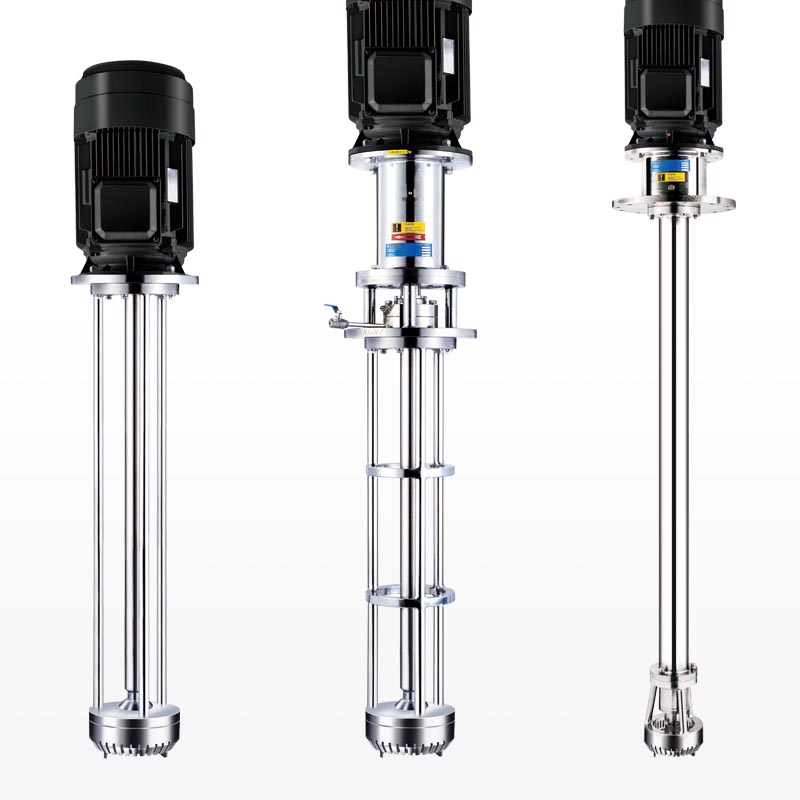
Subject-matter experience informs usable specifications: specify testable endpoints, require traceable calibration, and demand reproducible FAT results witnessed by the buyer. My professional practice includes supervising qualification activities at pharmaceutical manufacturing hubs in New Jersey, where regulators expect explicit process validation tied to equipment capability; that perspective shaped the requirement to validate mixing outcomes on representative production volumes. To that end, ensure procurement documents refer to a representative batch mixer test matrix and require supplier-supplied raw data for each acceptance criterion.
Prescriptive Checklist for Contract Language
Embed these clauses: (1) definitional schedule of process parameters and test methods, (2) FAT witnessing and data delivery obligations, (3) IQ/OQ/PQ milestones with acceptance signoffs, (4) warranty scope linked to specified performance envelopes, and (5) spare-parts and service-level agreements with specified response times. Use objective metrics and avoid qualitative descriptors that invite divergent interpretations.
Conclusion and Resolution
Address the problem by converting performance needs into measurable, contractual obligations and by selecting equipment whose validated capabilities align with those obligations; doing so reduces dispute exposure and operational risk while preserving production intent. The pragmatic resolution lies in specifying verifiable test methods, insisting on witnessed validation at scale, and choosing suppliers whose documented performance maps to the specification, as exemplified by procurement decisions informed by FLUKO.