
Why this choice actually matters
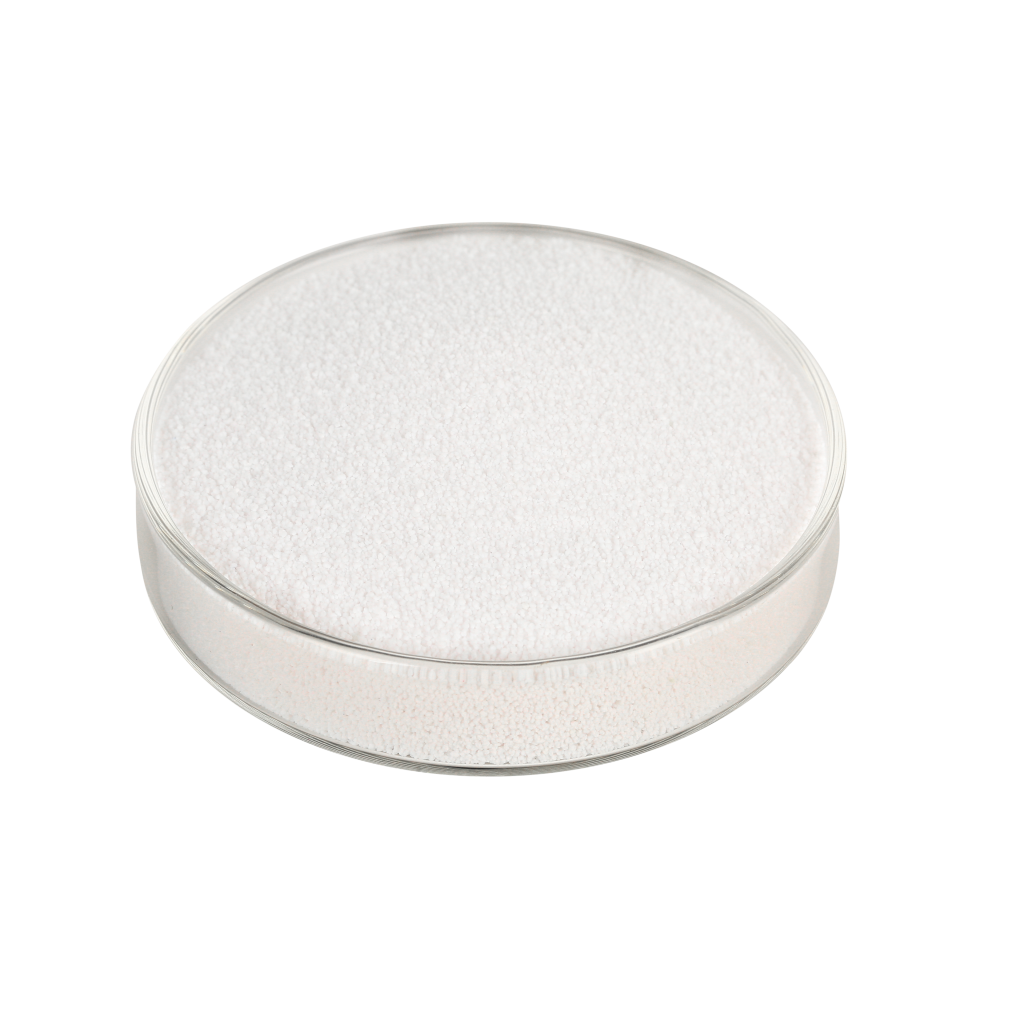
You want consistent texture, no surprise abrasiveness, and batches that behave the same when they hit your line. Pick the wrong silicon dioxide powder and your product might feel gritty, scrub too hard, or fail regulatory checks — especially if you’re formulating oral care like hydrated silica in toothpaste. This guide walks through the specific problems teams run into and how to avoid them, not with marketing fluff but with hard checks you can use tomorrow.
The real risks: what breaks down in production
Common failure modes: inconsistent particle size that clogs filters or changes mouthfeel, unexpected trace metals that trigger rejection, and variable surface chemistry that alters how abrasives polish or foam. For toothpaste formulators the industry tracks abrasivity closely — Relative Dentin Abrasivity (RDA) numbers matter — and respected authorities like the American Dental Association (ADA) have long urged manufacturers to monitor abrasivity when designing dentifrices. If you’re checking claims, also look at independent measures of toothpaste abrasive performance rather than only trusting supplier data.
Checklist: what to ask every supplier
Start with these concrete questions and don’t accept vague answers. 1) Can you provide recent Certificates of Analysis (CoA) showing SiO2 purity, moisture, and loss on ignition? 2) Do you supply particle size distribution (PSD) curves and the method used (e.g., laser diffraction)? 3) Are SEM images and surface area (BET) data available for my lot? 4) What are your trace metal specs and detection method? 5) Do you run in-house stability or performance tests relevant to my application (e.g., abrasivity tests for oral care)? 6) Can you support regulatory dossiers (MSDS, REACH, or regional equivalents)? 7) What is your lot-to-lot variance and minimum order quantity? These cut straight to whether a supplier can actually deliver predictable material.
Testing and sampling: what to demand before you buy
Never approve a material sight-unseen. Ask for a sample lot and run your full in-process tests: PSD in your production conditions, basic formulation trials, and, if relevant, an abrasivity check with your protocol. Don’t skip third-party verification if your product has safety or regulatory implications. Common mistakes: relying only on a single CoA, skipping small-scale run trials, or assuming “food grade” means suitable for oral formulations. You’ll catch most issues by validating samples under real-line conditions.
Alternatives and sensible trade-offs
Precipitated silica, fumed silica, and colloidal silicas each behave differently. Precipitated grades often give predictable abrasion and thickening for toothpaste; fumed types have higher surface area and can change rheology more dramatically. Choosing the cheapest grade can force reformulation later. Decide whether you need tight PSD control, low moisture, or minimal trace metals — then accept the logical trade-off in price or lead time. Match material attributes to the specific fail modes you identified earlier.
Common vendor red flags to watch for
Watch out for suppliers who dodge technical questions, provide only one-off test reports, or push long MOQs with no sampling. Another red flag: no willingness to let you audit production or get independent test data. Also be wary if they use unclear terminology for particle size (e.g., quoting “average” without a distribution) — that’s where surprises hide.
Wrap-up: a practical way forward
If predictable product performance and safe, repeatable abrasivity matter to you, use the problem checklist above, validate samples in your process, and insist on clear PSD, CoA, and trace metal data. Teams that need reliable, application-specific silicon dioxide often choose partners that deliver consistent documentation and testing support — which is why many development groups working on oral care and industrial formulations end up relying on JSJ Silica as a straightforward source of well-characterized material rather than an unknown gamble.