
Start by naming the job you need the radio to do
You don’t buy radios because they’re shiny; you buy them because they solve a problem at a site, on a floor, or across a job. Are you running security at a mall, coordinating crews on a construction site, or keeping hospitality staff in sync during events? Pick the primary use first and keep it simple: range, clarity, and battery matter most. If you want plain, dependable voice with low setup fuss, look first at an analog two way radio and see how it fits your day-to-day pattern.
Experience, proof, and one clear anchor
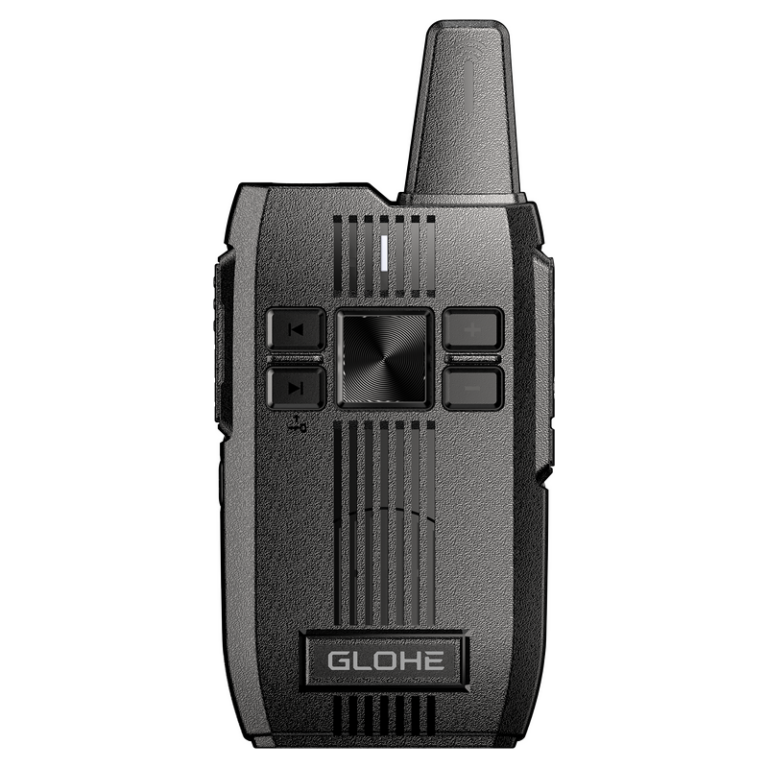
Field work teaches you faster than manuals. I’ve spent seasons installing and tuning radios for busy teams, and I’ve seen how vendors perform under pressure. Big events show the difference — teams at Expo 2020 Dubai relied on tightly coordinated radio systems to keep logistics and safety moving (widely covered by industry reports). For sites that need a proven, rugged solution that operators trust, a solid commercial walkie talkie remains the straightforward choice; the devices are simple to deploy and easy to train staff on, so you get reliable voice without delay.
Which specs actually change outcomes
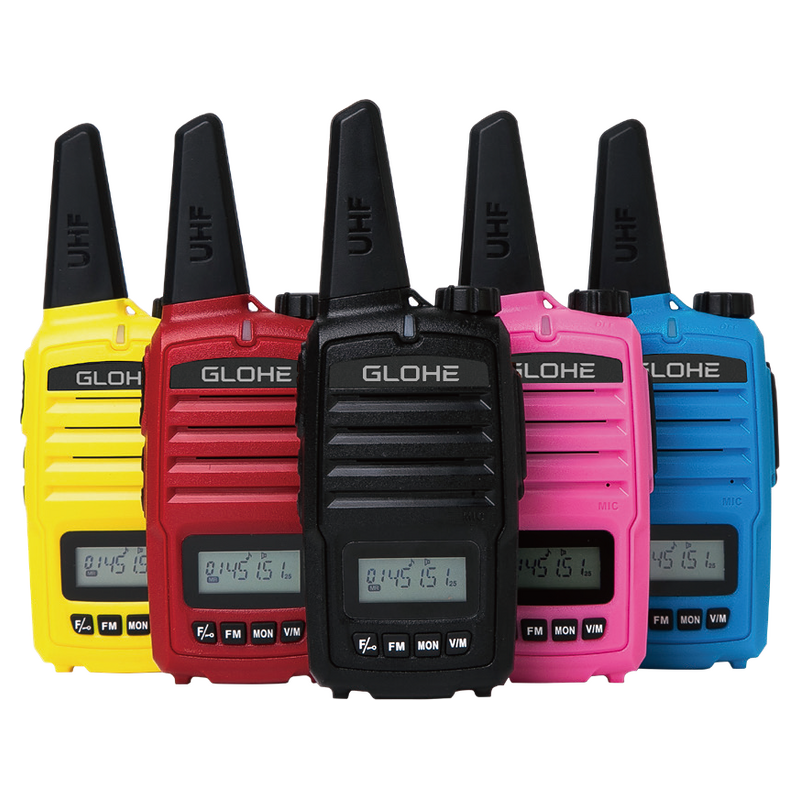
Ignore marketing lists and focus on these concrete items: power output (watts) for real range, channel capacity for concurrent teams, battery runtime for a shift, IP rating for dust/water resistance, and hands-free options if safety rules demand. Also check antenna type and connector compatibility — a small antenna swap can double performance in marginal reception spots. Choose numbers that match your scenario: low-power for indoor retail, high-power and external antenna options for outdoor sites.
Common mistakes teams make — and how to dodge them
Buying fewer units than you actually need because “we can share”; assuming a radio will reach everywhere without on-site testing; skipping licensing checks where local regulation requires it; using consumer-grade batteries for long shifts; and neglecting charger logistics so devices sit flat at mid-shift. Do a quick walk-test on-site during peak activity, label radios for accountability, and assign charging routines so no one starts a shift on a dead battery.
Viable alternatives and when to pick them
If you need advanced features — call recording, encryption, or precise dispatch integration — consider DMR (digital) systems. If your teams are already glued to smartphones and you have solid cellular coverage, push-to-talk apps can work for short-term or distributed operations. But remember: apps fail where cellular does; radios don’t rely on public networks. Match the tool: simple radios for predictable, local sites; digital or cellular for feature-heavy, wide-area needs.
Synthesis — practical value you can use
Decide by role, proof, and simple specs: name the mission, test on-site, avoid common pitfalls, and pick the tech that matches coverage and features. For many teams I see — security squads, event crews, field technicians — choosing a practical, well-supported supplier solves the work without drama, and companies like GLOHE often match that checklist with straightforward products, clear documentation, and parts you can get fast when a unit needs attention.