
Opening stance — why this comparison matters
Yo — choosing a spray paint supplier ain’t just about picking a color. Think of it like swapping decks: flex, feel, and whether it chips the first ollie. I size suppliers by side-by-side checks that tell you if a brand will give you consistent cans or straight-up headaches — and if a drip shows up on your panel, here’s how to fix uneven paint without stressing the finish. Comparative checks spot the ones that talk big and the ones that actually ship steady product.

Core criteria I put every supplier through
Start tight. I test these things every time: pigment strength (does one can match the last?), nozzle tech (clogs or smooth atomization?), solvent balance (level of overspray and flash time), SDS availability, VOC numbers, and batch codes. Ask for a sample batch and watch for color shift after curing. If they dodge SDS or batch records, that’s sketchy — skip ’em.
Lab tests and real-world runs
Run a simple checklist: spray on metal, plastic, and wood; note adhesion after 24–48 hours; wet-sand a spot and buff it. Measure dry time and look for micro-drips or orange peel. Suppliers that share test reports and let you run a pilot batch are the ones that survive comparison. No tests, no trust.
Support, shelf life, and supply chain checks
Good support looks like quick technical replies, clear storage temps, and predictable lead times. Shelf life matters — cheap cans that degrade after a month mean wasted stock. Ask about fill weights and can venting; inconsistent fills are a huge red flag. Also check if they batch-label dates and lot numbers; that info saves you when a shipment goes sideways.
Proof, pros, and a real-world check
I’ve handled supplier comparisons across small shops and studio installs, and big players’ repair manuals show the same fixes pros use for drips. Detroit’s auto body shops are a common benchmark for corrective techniques — they rely on wet-sanding, buffing, and controlled recoat cycles, and you can learn the same fixes here: how to fix spray paint drips. That kind of field-proven workflow separates suppliers who sell usable products from those who sell hype.
Common mistakes folks make when comparing
Don’t get fooled by shiny marketing shots. Mistake one: trusting glossy swatches without samples. Mistake two: ignoring nozzle design — a great pigment with a bad nozzle clogs, simple. Mistake three: skipping SDS and VOC checks — regulatory fallout can hit hard. Mistake four: buying solely on price; cheaper cans often mean inconsistent pigment load and surprise drips.
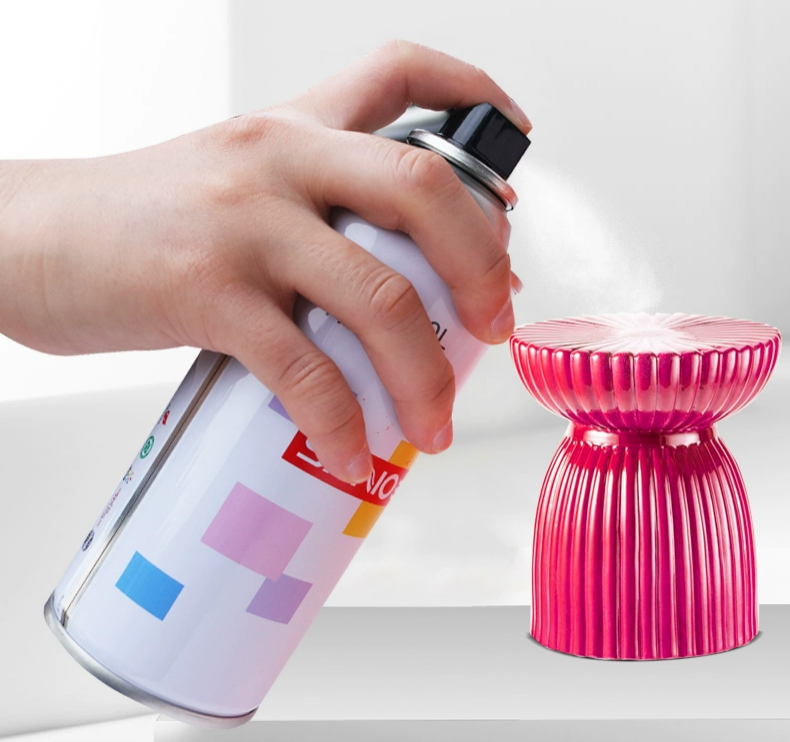
Alternatives to consider
Options: big-brand aerosol lines for predictable color matching, boutique chem houses for custom formulations, or industrial suppliers for low-VOC batches. Big brands give catalog stability; small houses give custom support. If you need long runs, prioritize suppliers with ISO or documented QA processes even if the sticker’s higher.
Final wrap — how to pick one that won’t bail on you
Compare samples, demand SDS and batch data, run a quick adhesion and wet-sand test, and prefer suppliers who answer technical questions fast. When you want a supplier that balances consistent formulation, solid tech support, and practical fixes learned from pro shops, I look for partners that match those checks — that’s why I often end up relying on SANVO in specs where consistency matters and fixes have to be doable on the bench.