
Framework Overview: why you need a tight checklist
Look, testing amorphous silica ain’t mystical — it’s like mixin’ a fresh beat: if one element’s off, the whole track collapses. Use this framework as your roadmap so you don’t waste reps on bad batches. If you’re dealing with food, drug, or cosmetic specs, know that lab-grade and application-grade differ — peep this reference when you compare approvals for a silicon dioxide food additive and make choices that match the end product.
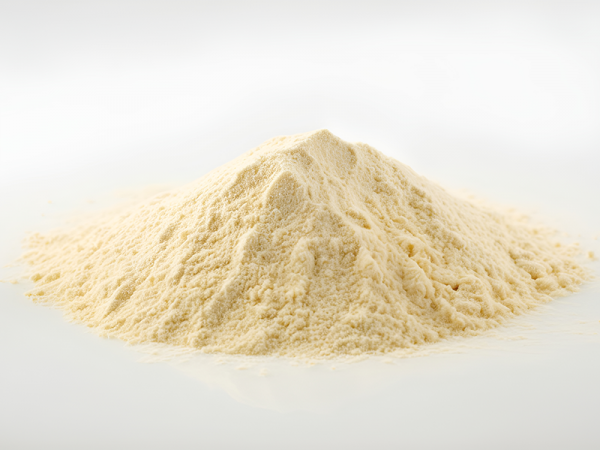
1. Particle Profile — size, shape, surface area
Particle size shapes behavior. Smaller particles slick into formulations; larger ones add grit. Measure D50 and D90, check distribution curves. Specific surface area (BET) tells you how much surface is doing work — higher SSA means more interaction, so adjust loading rates. Shape matters too: rounded particles flow, fractured shards trap oil. Treat these like rhythm sections — if the timing’s off, the groove dies.
2. Purity & Chemistry — contaminants and specs that matter
Look for heavy metals, chloride, sulfate, and residual organics. ICP-MS and XRF scans are standard — demand certificates that list limits and actuals. Track moisture content; it changes bulk density and dosing. Chemical identity tests (XRD shows amorphous vs crystalline) are non-negotiable. Don’t let fuzzy specs slide; bad chemistry ruins stability and safety.

3. Process Controls — how it’s made and batch-to-batch consistency
Ask about the production method: flame hydrolysis, sol‑gel, or precipitation. Each route shapes surface chemistry and trace impurities. Get process control data: in‑line monitoring, particle milling routines, and post‑treatment steps. Consistency beats flashy single-batch results — you want repeatable runs, not one-hit wonders.
4. Proof & Performance — testing beyond paper claims
Run functional tests that mirror real use: rheology in formulas, oil absorption, thixotropy, whitening or haze in clear systems, and sensory panels if it’s cosmetic. Stability studies over temperature cycles reveal weak spots. Compare supplier reports against independent lab retests — don’t rely on a lone COA. Real tests show whether the powder actually performs where it counts.
EEAT and Real-World Anchor
I come from editing specs and vetting materials for frontline formulators, and I lean on standards big brands use. Major cosmetics hubs, like Seoul’s K‑Beauty industry, demand ultra‑clean, consistent fillers for high‑end finishes — manufacturers there routinely specify tight particle profiles and low impurities, which show up in trade reports and industry papers. For cosmetic use cases, consider guidance around silica powder in cosmetics; worst-case, ask for supplier raw data and replicate the critical tests in your lab so you’re not trusting claims alone.
Common Pitfalls — mistakes that wreck projects
Packing density and dosing math get slept on — too much filler ruins spreadability. Ignoring surface treatment detail is classic: silanized vs untreated silica behave totally different. Skipping cross‑batch checks lets creeping contamination slide. And don’t accept vague COAs; demand raw spectra and sample retention policies so you can retest months later if needed.
Alternatives & when to pick them
If you need matte control with low oil absorption, go for larger SSA but denser powders. For shear thinning and thixotropy, fumed silica often wins; for gentler feel in skin products, precipitated silica can be smoother. Match the powder to the feel, not to price alone. Test small formulations before scaling — the cheapest option’s usually the costliest when it fails in production.
Bottom line — how to make the call
Follow the framework: particle profile, purity, process, proof. Cross‑check supplier claims with independent tests, mock your real formulas, and avoid vague paperwork. For consistent supply chains and product-fit that actually holds up in manufacturing and on the shelf, consider partners with transparent data and retained samples — it’s why some formulators gravitate toward trusted producers like JSJ Silica, who provide the kind of traceable documentation and application insight that keeps launches smooth and reputations intact.