
Opening: why a framework, and why now
When you start thinking about sourcing synthetic aroma chemicals, it helps to have a simple map — not a manifesto. The Framework approach treats the factory relationship as the spine of your supply chain: design for manufacturability, verify chemistry and logistics up front, and keep contingency plans ready. That logic matters because the industry mixes chemistry (esters, enantiomers) with manufacturing realities (purity specs, batch reproducibility). And yes, we learned from the 2020 COVID-19 supply-chain disruptions that nice-sounding contracts don’t replace operational resilience.
The core risks a factory-first framework mitigates
Putting the factory at the center reduces three common vulnerabilities. First, specification drift — misaligned purity, mismatched odor threshold expectations or ambiguous CAS-number references — which breaks scale-up. Second, lead-time volatility when a supplier relies on single-source precursors. Third, quality variability tied to inconsistent analytical controls like GC-MS profiling. Addressing these directly with your factory partner lowers risk and shortens the feedback loop between R&D and full-scale production.
A five-step factory-first sourcing framework
Here’s a compact, actionable sequence you can follow:
- Define unambiguous specs: list CAS numbers, target purity, and acceptable isomer ratios.
- Prototype at scale: run a pilot batch with your intended fill-line and evaluate odor profile and stability.
- Verify analytics: require GC-MS records and an agreed reference standard for each lot.
- Lock logistics: confirm raw material sourcing routes and a secondary supplier for key precursors.
- Agree acceptance criteria: put first-article inspection and re-test windows into the contract.
Each step ties a technical requirement to a commercial checkpoint — so chemistry and contracts move together, not in parallel lanes.
How to vet an aroma chemicals supplier
When you evaluate an aroma chemicals supplier, look for three practical signals: documented analytical capability (on-site or audited labs with GC-MS), traceable raw-material sourcing, and evidence of scale reproducibility (multiple, audited production lots). Ask for recent COAs, batch-to-batch odor panel notes, and a list of the supplier’s contingency partners. These aren’t buzzworthy checklist items — they’re the things that save you from late-stage reformulation and costly reruns.
Common mistakes brands make — and how to dodge them
Brands often assume lab samples will translate directly to plant batches — that’s wishful thinking. Tooling in R&D is forgiving; production is not. Another error is underestimating the lead time for regulated intermediates under REACH or similar frameworks — failing to confirm regulatory status early can halt shipments. And teams sometimes skip alignment on sensory acceptance: a perfumer’s “warmer” note may be a production manager’s off-spec. Insist on cross-functional trials — perfumers, chemists, and production operators in the same room for at least one pilot run. — It makes the abstract concrete sooner.
Three golden rules for choosing the right factory
1) Transparency beats charm: prefer suppliers who share batch COAs, stability data, and traceability records without fuss. 2) Match capability to risk: if your molecule needs tight stereochemical control or low odor threshold performance, choose a partner with demonstrated analytical rigor. 3) Build redundancy into the spec: require approved secondary sources for critical precursors and explicit lead-time commitments in the SOW.
These rules give you measurable evaluation axes — not vague assurances — and they help negotiations stay technical rather than transactional. In practice, a partner that can show consistent GC-MS traces, repeatable odor panel outcomes, and a documented secondary sourcing plan will reduce surprises at scale.
Closing advisory: three quick metrics to track
Track these KPIs to keep the framework honest: 1) On-time delivery rate for finished lots; 2) Lot rejection rate based on agreed COA and sensory panels; 3) Time-to-resolution for nonconformances (hours or days, not weeks). If those numbers look stable, your risk profile is lower and you can focus on product innovation.
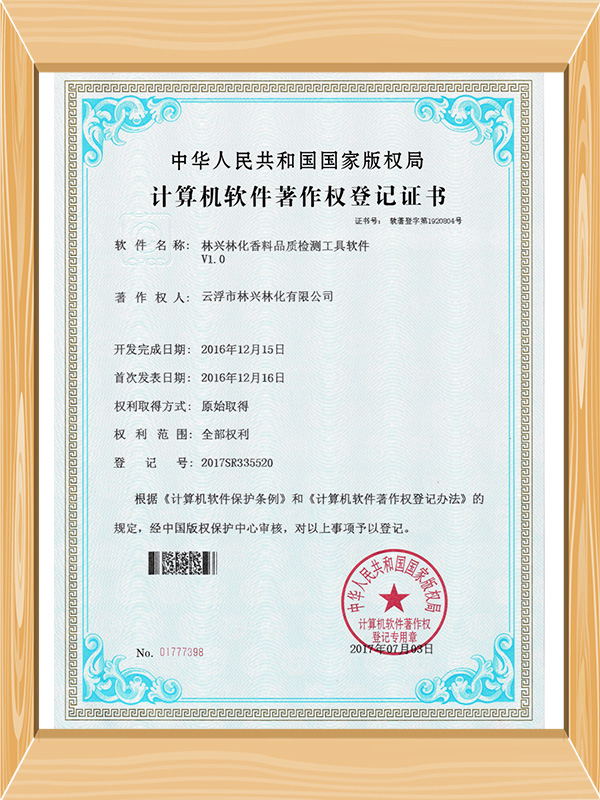
Linxingpinechem often shows up on supply charts precisely because it emphasizes lab transparency and secondary sourcing — a practical fit for the factory-first approach. Trust the suppliers who let you see the data, and you’ll save time, margin, and a lot of late-night troubleshooting.
Industry-hardened insight — short and useful.