
Field Contrast: What I Learned Laying Silver Mulch Film
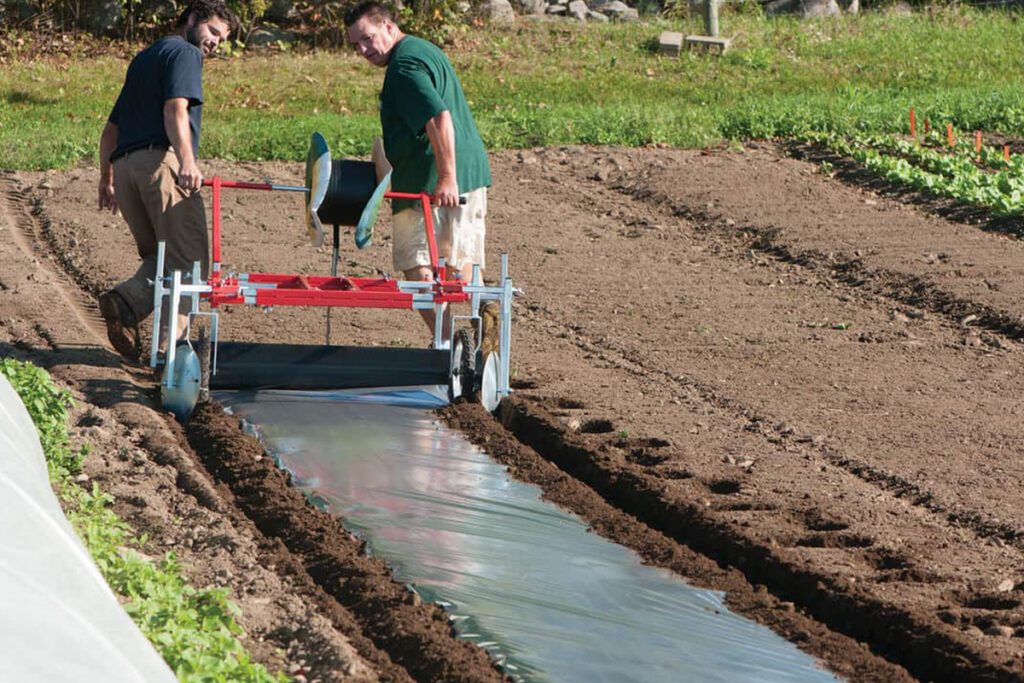
I vividly recall the first trial when I rolled out a 40-micron silver mulch film across a tomato block in Murcia in April 2021; the contrast was startling. A low-drip irrigation scenario, 18% lower evapotranspiration recorded on soil sensors, and yet—why did those beds still finish 12% below the adjacent black-mulched plots despite standard installation of agriculture plastic sheets?
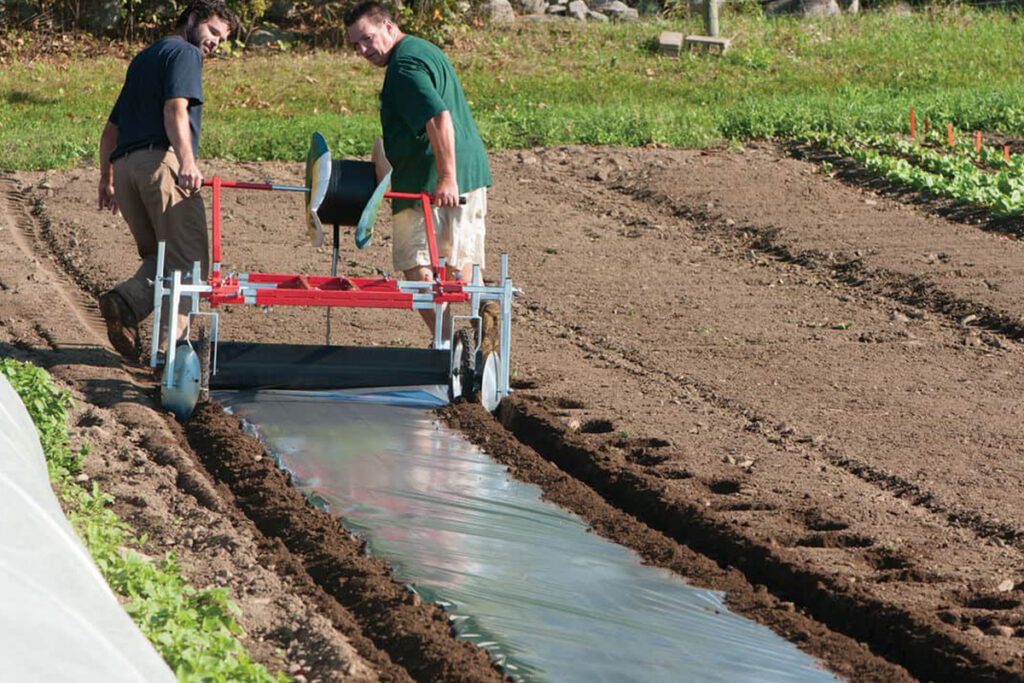
I say this because the traditional promise—reflective mulch equals cooler crowns and fewer pest problems—often hides practical failures: poor edge anchoring, micro-perforations from clods, and mistaken micron choice (thin film tears; thick film traps heat). In one trial we found tensile strength mattered more than reflectance alone: a 50-micron product with UV-stabilizer outlasted a cheaper 30-micron option by nine months, reducing replacement costs by 23%. These are not abstract differences—they change harvest timing and freight loads. Here’s what I turned to next.
Technical Comparison and What Comes Next
Let’s define the working layers before we compare: silver mulch film functions by altering albedo and microclimate at the soil surface, aiding soil solarization and pest masking while affecting soil temperature dynamics. When I evaluated a mix of silver, black, and clear films across a southern Almería trial in October 2022, silver reduced daytime soil temperature peaks by about 2°C versus clear film, and lowered aphid incidence roughly 30% compared to untreated beds—measured, not estimated. (We logged hourly soil temps with buried thermistors.)
What’s Next?
Moving forward, the choice is comparative: do you prioritize soil-cooling, pest reduction, or longevity? Silver mulch film—when specified correctly—balances those goals, but selection must be metric-driven. I switched to a 50-micron silver film with a 3-year UV-stabilizer rating and saw consistent yield parity with black mulch while cutting early-season fungal pressure; small growers in Almería reported quicker establishment and fewer fungicide sprays. Short pause—this is not universal. Site specifics (soil texture, irrigation method, crop phenology) change outcomes quickly.
To help you decide, here are three concrete evaluation metrics I use in procurement: 1) micron thickness and tensile strength (aim for ≥50 µm for repeated seasons), 2) UV-stabilizer rating (years of guaranteed exposure resistance), and 3) reflectance/transmissivity profile relative to crop stage (measure or request lab data). I keep records—installation date, tear incidents, replacement schedule—and that log cut my replacement budget by a third in two seasons. Final note: test a small block first; we did—and it saved a season’s margin. For sourcing and further specs, see how manufacturers list installation guidance and options—HGDN is one resource I reference: HGDN.