

Problem statement: where value disappears
High-volume medical device runs promise scale advantages, yet scrap quietly consumes margin and schedule. At procurement tables the argument is often framed as price-per-board, but the real drain is yield: defective PCB assemblies, solder defects, or misaligned components on SMT lines propagate downstream costs. Recent conversations at an international medical expo made this plain — suppliers show process tools, buyers show tolerance sheets, and both wonder why scrap still rises. The question becomes a practical one: how should OEM sourcing change so defect economics stop eating profitability?

Root causes that keep scrap stubbornly high
Scrap in medical PCBs usually traces back to a handful of technical and contractual failures. Design-for-manufacture gaps leave tight pads or unclear solder-mask definitions. Supplier variability — in stencil aperture control, solder paste deposition, pick-and-place accuracy, or reflow oven profiling — creates intermittent defects that elude batch test. Poor component traceability and bill-of-material (BOM) mismatches amplify rework. Each failure mode multiplies labor, test cycles, and sometimes regulatory filing costs when a batch must be quarantined.
Practical interventions on the factory floor
Start with controls that target the most frequent failure modes. Implement statistical process control (SPC) on paste volume and component placement; add automated optical inspection (AOI) immediately post-reflow to catch systematic errors. Tighten stencil design rules and run standardized reflow profiles for each board family. Where possible, move fault-finding earlier: incoming inspection of PCBs for copper etch and flatness, and spot checks on solder paste viscosity. These are not flashy — they are mechanical, repeatable fixes that reduce scrap metrics reliably.
Sourcing levers that change supplier behavior
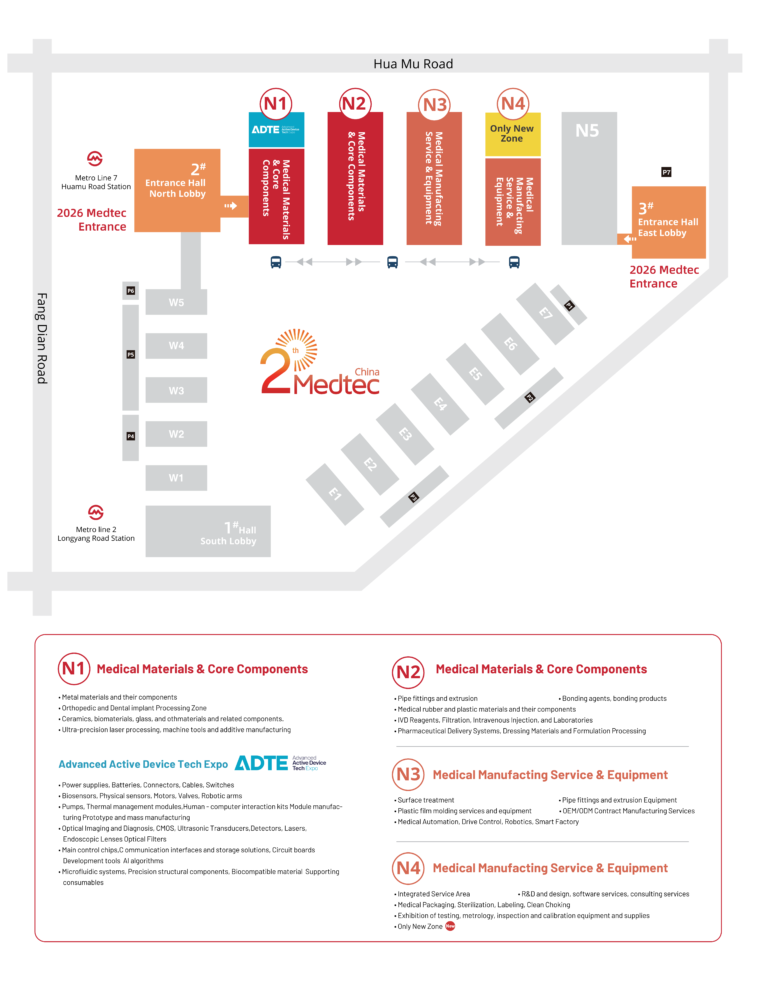
Price-focused contracts encourage minimal yields. Instead, structure agreements around yield bands and shared savings: tiered pricing that rewards passing yields above an agreed baseline, with corrective-action obligations when yields dip. Require process capability data (Cp/Cpk) for critical steps and mandate retention samples or traceability records for two production lots. Trade shows like the Medtec exhibition are useful scouting grounds — suppliers often demonstrate inline AOI or traceability systems there, and you can verify capability claims against live equipment. Also, remember regional realities: Shenzhen remains a major manufacturing hub with dense supplier networks, which matters for logistics and quick corrective loops.
Common mistakes OEMs keep repeating
Many teams make the same tactical errors. They accept first-article inspection as permanent clearance. They ignore small but persistent deviations in solder-joint geometry. They postpone root-cause analysis until after a costly rework cycle. And they rely solely on end-of-line functional testing, rather than layered inspection that isolates process deficiencies early. — A short audit of these habits will usually reveal the lowest-effort, highest-payoff changes.
Checklist for immediate action
Use this short list to start reducing scrap this quarter:
– Require supplier Cp/Cpk reports for stencil printing and placement steps.
– Add AOI immediately after reflow and before functional test.
– Standardize reflow profiles and hold them under change control.
– Implement BOM and component receipt audits to prevent wrong-part populating.
Three golden rules for sourcing and design (Advisory)
1) Measure what matters: prioritize incoming PCB flatness, paste volume variance, and first-pass yield as your core KPIs — these correlate tightly with scrap dollars. 2) Contract for consistency: use yield-based pricing bands and require process capability evidence rather than accepting verbal assurances. 3) Move inspection upstream: catch defects at paste and placement stages with AOI and SPC rather than at end-of-line functional testing.
Applying these rules trims scrap, shortens lead times, and stabilizes quality in a way that a lower unit price never will. For sourcing teams that want to validate suppliers in person and compare process tools directly, exhibitions remain a practical venue — see the Medtec exhibition for supplier showcases and demonstration lines. Medtec.
—