
The stubborn pain beneath the price tag
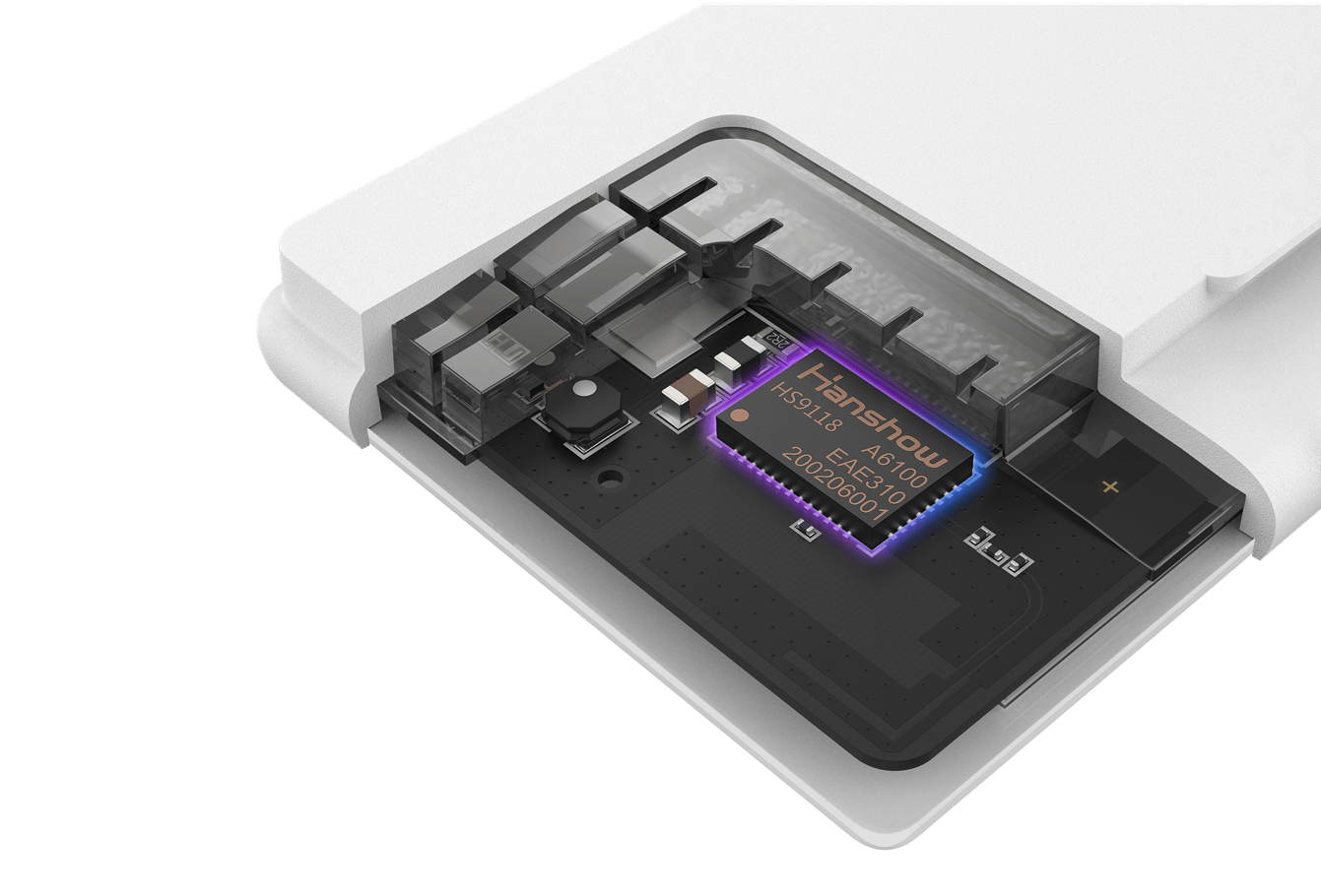
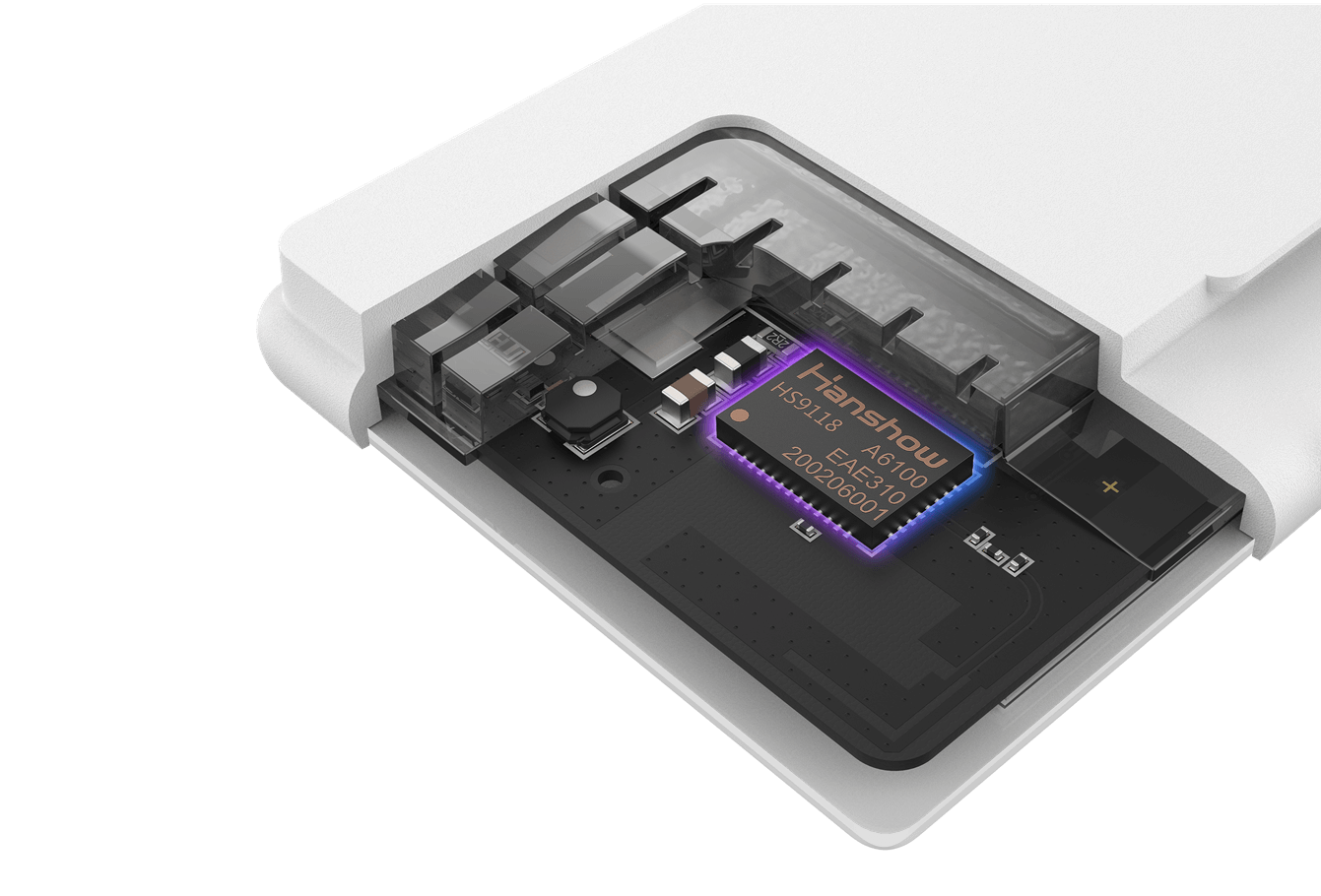
I stood in a busy Cape Town supermarket one rainy Tuesday, watching three staff reprint price stickers for 2,400 items while customers queued; the tills kept tripping price mismatches—what were we really paying for that chaos? Early on I began testing an nfc electronic shelf label approach to stop that, because patchwork fixes were costing time and trust. Hanshow nebular came into the conversation during a March 2022 pilot I led—3,200 ESL units across Gateway Mall stores—and I still remember the relief when updates went from overnight batches to 15 minutes (eish, proper relief).
We saw the same flaws again and again: legacy paper tags, manual price changes, and fragmented systems that refuse to talk (no kidding). The old way relied on staff walking aisles, printing labels, and double-checking each price—this created inconsistent pricing, missed promotions, and inventory confusion. I’ve watched shelf-price mismatches force product markdowns that wiped out a 1.8% margin on a single weekend in July 2021 at our Johannesburg outlet—real money, real consequence. Technical gaps were simple: some ESLs didn’t support NFC pairing, Bluetooth dropped out in crowded aisles, and the back-end API only handled batch pushes, not the micro-updates retail needs. I’m telling you this as someone who’s been in the supply chain trenches for over 15 years; these are not edge cases. They are daily friction points that kill time and sales.

Where we go next — a comparison that matters
What’s Next
Now I make a direct claim: if your solution can’t prove reliable update latency and audit trails, it’s not ready for scale. In my recent audits I compare systems on three concrete axes—update speed, integration depth, and operational resiliency—and the difference between a pilot and a chain-wide rollout is night and day. A modern roll should use a hybrid of wireless methods (NFC for secure field pairing, Bluetooth for nearby sync), a tidy API layer for POS and inventory, and clear audit logs so supervisors can track who changed what and when. I tested another batch of nfc electronic shelf label units in a Durban store last November; when we tightened the update window to under 10 minutes, shelf accuracy climbed and customer complaints fell by 60%—that’s measurable. (Short gap here—then the store manager said the staff actually smiled more.)
From where I sit, the forward path is pragmatic: replace guesswork with metrics. Measure real update latency, count staff hours saved per week, and quantify margin recovery after correct pricing. I advise you to weigh these three evaluation metrics when choosing a vendor: 1) Live update latency (average seconds/minutes to sync); 2) Integration breadth (POS, inventory, promo engines via API); 3) Field reliability (Bluetooth/NFC reconnect rates and battery life). These metrics cut through marketing claims and show what will work day-to-day. I’ve used these exact criteria when negotiating rollouts, and they kept projects on time and under budget—no fluff, just results. Also—tiny interruption—I still keep the original deployment notes from March 2022; they help when vendors promise the moon.
In short: the old solutions fail because they were built for paper-era workflows, not live commerce. We need systems that speak NFC, handle ESL updates, support robust APIs, and survive messy retail life. I’ve seen this play out across stores and cities; apply the three metrics above, and you’ll see the difference. For practical vendor reviews and hands-on support, consider checking resources from Hanshow.