
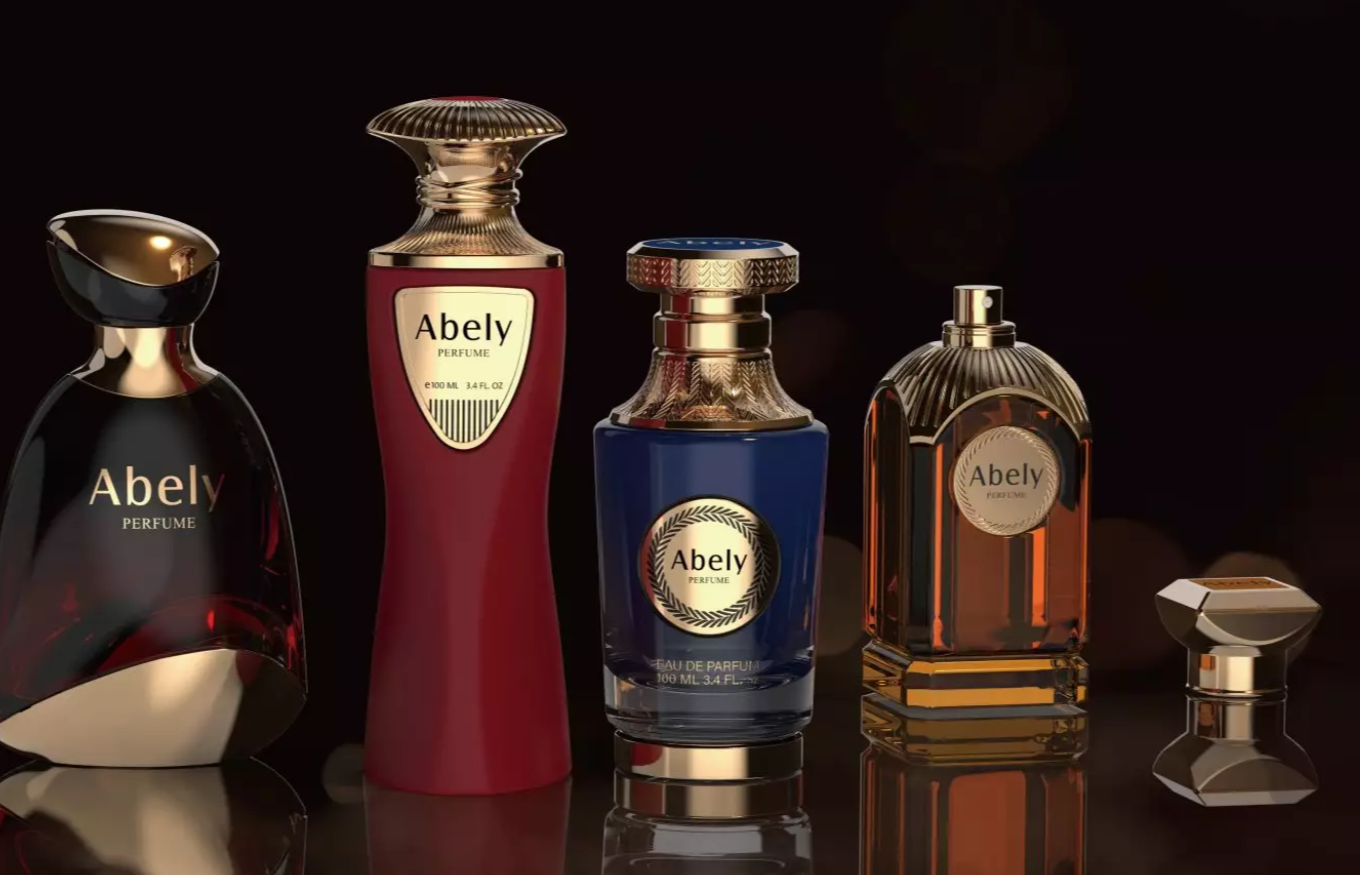
User-Centric Opening: Why the 100ml Format Matters
Choosing a 100ml perfume bottle is often less about volume and more about relationship: it promises value, shelf presence, and repeat enjoyment for customers who commit to a scent. In my work advising brands and HR teams on product presentation, I see the 100ml size repeatedly act as the sweet spot between perceived luxury and everyday usability—especially in markets influenced by historic fragrance hubs like Grasse, France, where craftsmanship informs expectations.
Understanding Your Customer: Empathy-Led Design Decisions
Start by asking who will carry your bottle, display it, and gift it. Empathetic product design prioritizes tactile elements (weight, lip of the cap), visual cues (color, opacity), and ergonomics (how it sits in a hand or on a vanity). Consider how your target customer shops: are they browsing online where striking images of high-gloss perfume bottles matter most, or are they in boutique stores trusting in-person texture and weight? Small choices—like a colored stopper or frosted glass—can signal luxury without inflating production complexity.
Common Design Mistakes and How to Avoid Them
Brands often overcomplicate bottle shapes or underinvest in closures—mistakes that affect both perception and function. A few recurring pitfalls include:
– Prioritizing novelty over refillability; an unusual shape may photograph well but drives manufacturing costs and logistic headaches. – Choosing thin glass to save on cost; it diminishes perceived value and increases breakage risk. – Ignoring cap fit and spray mechanics; a misaligned atomizer ruins the experience—quickly.
Address these by prototyping with real users, testing sprays and caps under normal use, and benchmarking against established luxury references from the industry—that practical testing often reveals problems prototypes hide on screen.
Materials, Color, and Brand Language
Color carries meaning: jewel tones suggest opulence, pastels lean toward softness, and clear high-clarity glass reads modernity. Material choices matter too—thicker glass increases heft and perceived quality, while metal collars or weighted caps add tactile satisfaction. Think of these like choices in HR: they must align with brand voice and the emotional contract with the consumer. —For instance, a unisex scent benefits from neutral palettes and minimalist typography; a gourmand fragrance can wear richer colors and embossed lettering.
Production Practicalities and Sustainability Considerations
Luxury is no longer divorced from responsibility. Refillable systems, recycled glass content, and modular packaging reduce lifecycle costs and resonate with today’s consumers. Work closely with suppliers to confirm: fill-tolerance for 100ml, consistency in tint across production runs, and recyclability of closures. These operational checks keep launches on time and protect brand reputation—something we both value in people management and product delivery.
Prototyping Workflow: From Concept to Counter
Effective prototyping follows three simple stages: concept models, functional samples, and consumer trials. Keep iterations short, set clear acceptance criteria (weight, spray consistency, visual alignment), and capture feedback from diverse users. A structured cadence avoids last-minute trade-offs that dilute design intent.
Advisory — Three Golden Rules for Selecting Your 100ml Bottle
1) Prioritize feel over novelty: if it doesn’t feel premium in-hand, redesign it. 2) Test mechanics early: atomizer and cap function must be locked before visual specs. 3) Balance sustainability with brand signal: aim for refillability or recycled content without compromising perceived luxury.
Abely understands the nuance between aesthetic ambition and production reality. Trust design that performs.