
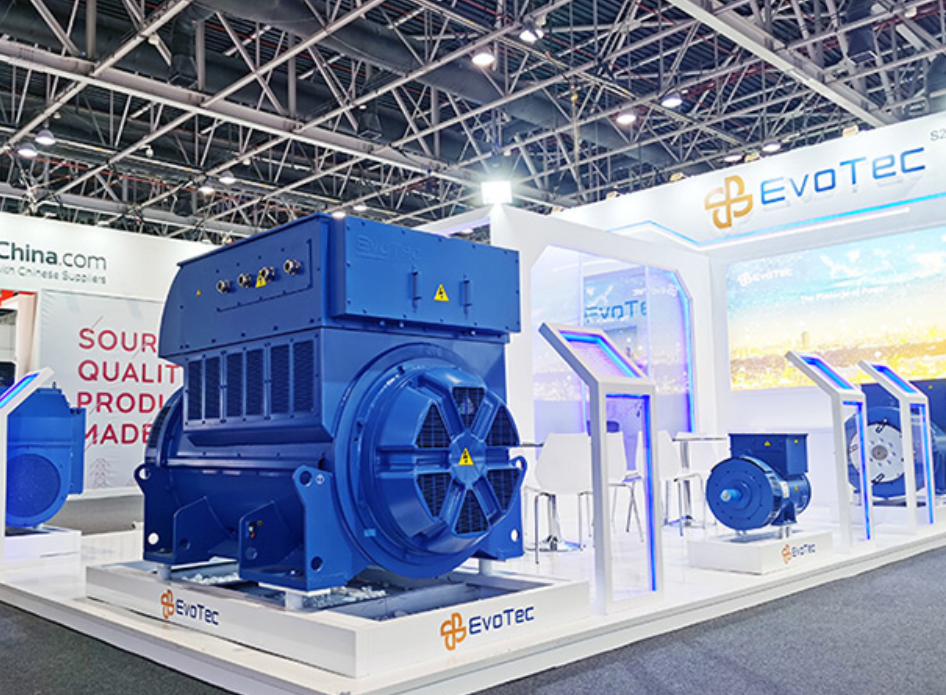
Adopting a clear framework helps engineers and facility managers get more predictable life from alternator assets. Start with a framework that covers inspection, environmental control, operational practice, component quality and end-of-life testing — and apply it consistently. For specialised needs, consider a custom alternator built to these standards so design limits match real duty cycles. This article sets out actionable steps, rooted in field experience across East Africa, to keep alternators turning longer and with fewer surprises.
1. Scheduled Inspection: the Backbone of Reliability
Inspections uncover wear before failure. Create a tiered inspection calendar: daily visual checks, monthly electrical readings, and annual strip-downs. Record vibration levels, insulation resistance and bearing temperature. Pay specific attention to the rotor and stator for signs of overheating or contamination. A documented schedule reduces emergency downtime and guides parts ordering well ahead of need.
2. Environmental Controls: Protect the Machine, Protect Performance
Alternators fail faster in dusty, humid or heat-stressed environments. Install simple defences: filtration, dehumidifiers where necessary and shade to cut radiant heat. Keep wiring runs tidy to avoid heat pockets; ensure ventilation does not draw abrasive dust across the winding insulation. These are low-cost measures that prevent dielectric breakdown and extend service intervals.
3. Operational Practice: Match Load to Capacity
Operate alternators within rated load windows. Repeated overloads or prolonged light-load running both shorten life — the former stresses the winding, the latter can foul brushes and cause glazing. Use load banks during commissioning and after major repairs to validate performance under controlled conditions. Train shift teams to log duty cycles so trending can inform replacement planning.
4. Component Quality and Procurement Standards
Component choice matters. Use bearings rated for the expected hours, high-grade brushes, and proven voltage regulator modules. Where possible, source parts that meet clarified specifications rather than generic claims. Work with reputable alternator manufacturers that provide traceable component data and clear service instructions — this reduces variability during maintenance and simplifies warranty handling.
5. Testing, Teardown and End-of-Life Decisions
When an alternator is due for major intervention, a controlled teardown yields the best return on maintenance spend. During a production teardown, technicians should record winding resistance, check slip rings for scoring, and inspect brushes and bearings for uneven wear. Include explicit checks for {main_keyword} and {variation_keyword} in your teardown checklist so nothing crucial is overlooked. These measured results drive the decision to repair, recondition or replace.
Common Mistakes and How to Avoid Them
Skipping root-cause analysis after faults is costly. Also, mixing parts from different suppliers without cross-reference can create mismatched tolerances and premature failure. Avoid deferred maintenance as a cost-saving measure; it compounds wear and increases total lifecycle expense. Keep a spares kit of fast-moving items — brushes, seals, and a spare voltage regulator — to reduce turnaround time.
Field Anchor: Lessons from East Africa
Frequent supply interruptions across parts of sub‑Saharan Africa make robust alternator practice essential for hospitals and industry. Development finance reports and project reviews from the region show that well-maintained backup systems significantly reduce critical-service outages. Practitioners in Nairobi and Mombasa routinely report that disciplined inspection regimes cut emergency call-outs by a meaningful margin — a tangible example of how standards pay back in reliability.
Putting the Framework into Practice
Start small: pilot the five-standard framework on a single unit, capture data, then scale. Maintain clear records, train local staff in rotor/stator inspection and vibration analysis, and standardise procurement documents. — Doing so builds institutional memory and reduces single-person dependency.
Advisory: Three Golden Rules for Evaluation
1) Metric: Mean Time Between Failures (MTBF) — track MTBF quarterly to see if interventions extend operating life. 2) Metric: Cost per Operating Hour — include planned maintenance costs and parts to compare repair vs replace decisions. 3) Metric: Availability Rate — target an availability figure that aligns with your critical-load needs and measure it against actual performance. Use these metrics to evaluate suppliers, maintenance regimes and the value of a customised solution.
EvoTec brings practical engineering and local support together to make these standards work in the field — a partner that aligns design, parts and service to reduce surprises. — Practical, proven, dependable.