
The problem: persistent flash and creeping dimensional error
Manufacturers molding liquid silicone rubber (LSR) face the same stubborn issues: flash overflows that demand manual trimming, and small dimensional drift that ruins assembly fits. Those defects drive scrap rates and cycle-time volatility. A focused fix starts at the press and the process; modern lsr molding machine platforms change the equation by coupling stable clamping with tighter shot control. The result is not just fewer rejects — it’s reproducible tolerance control across runs and shifts.
Why C-frame power presses reduce the root causes
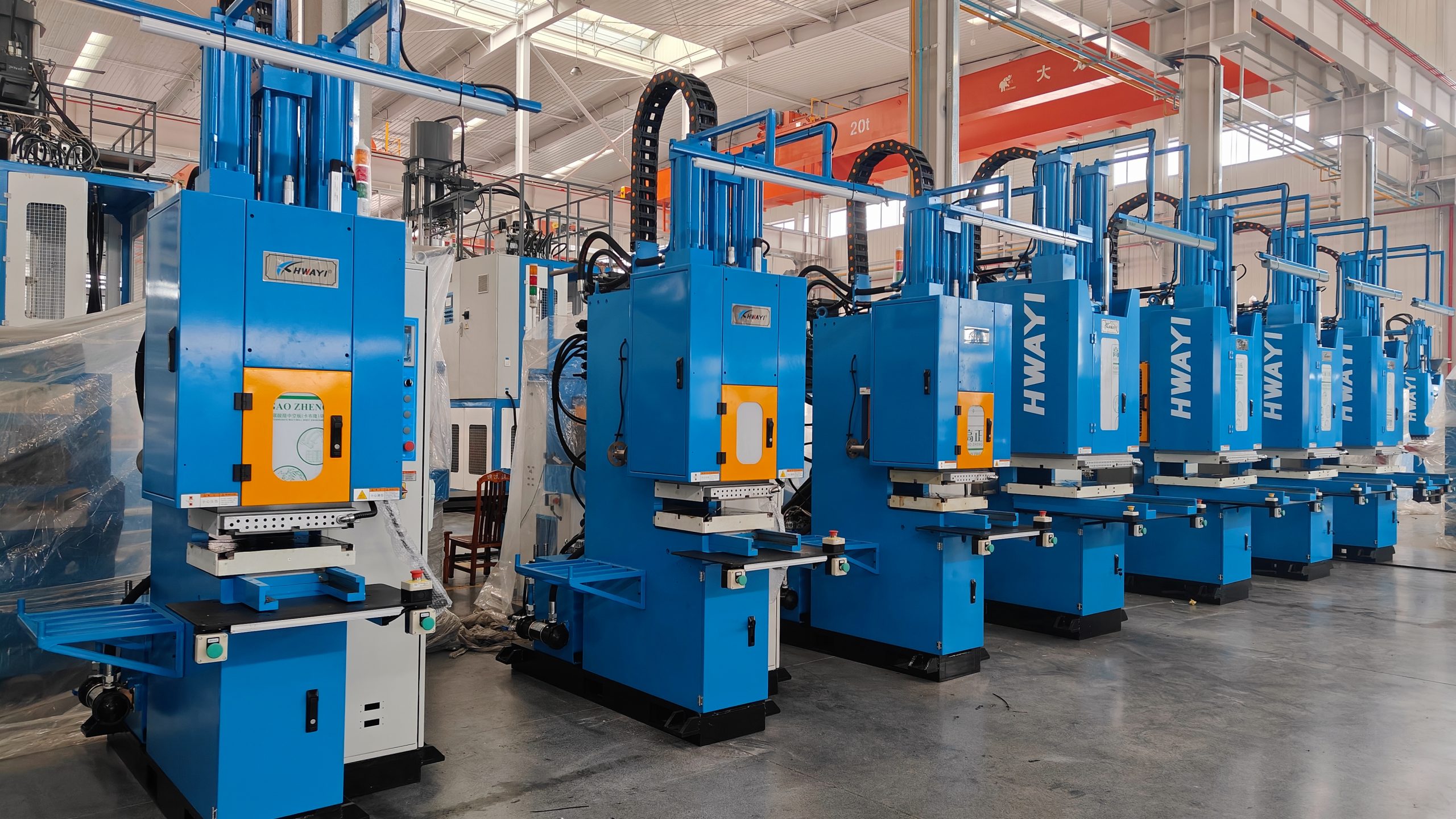
C-frame presses give direct access and rigid guidance around the cavity, making mold alignment simpler and keeping clamp plates parallel. That mechanical stability combats two main failure modes: variable clamping force and flash caused by uneven parting lines. Combine that with consistent injection velocity and temperature control, and shot-to-shot repeatability improves. OEMs producing medical device seals under ISO 13485 standards and automotive suppliers around Detroit and Stuttgart rely on that repeatability for consistent wall thickness and sealing faces — a real-world anchor for why equipment choice matters.
Process levers you must tune
Tight hardware matters, but process tuning closes the loop. Key levers are: optimize clamp force to eliminate micro-gaps without overstressing the mold; refine injection speed profiles to prevent cold flow at the parting line; and improve mold venting to evacuate trapped air before silicone fills the cavity. Pay attention to mold temperature control: local hot spots create flow imbalance and dimensional drift. Also review screwless injection unit settings for LSR — they behave differently than thermoplastic screws. These adjustments cut flash while preserving dimensional stability; small changes in dwell time and transfer timing often yield outsized results — a neat economy of effort.
Design habits that prevent repeat defects
Mold design choices matter as much as machine settings. Favor precision-ground parting surfaces, controlled gate geometry, and appropriate vent depth. Consider sacrificial lands or overflow gutters where tiny amounts of flash will collect away from functional features. Use cavity balancing and symmetrical runner layouts for multi-cavity tools to keep shot weight uniform. If overmolding is involved, validate the interfacial fit with a first-article run rather than relying solely on CAD clearance values.
Common mistakes and pragmatic alternatives
Teams often chase higher clamp force as a single fix, but that can distort delicate features or shorten mold life. Another mistake is neglecting cycle-time harmonization: faster cycles without temperature stabilization provoke dimensional drift. Alternatives worth considering include electric presses with higher control bandwidth for micro-motions, or injection-compression for thin-walled LSR parts where flash is stubborn. When throughput is secondary to precision, C-frame designs with precise servo controls usually outperform basic hydraulic presses on repeatability and energy use.
Where to look for machine partners
Vendor selection should move beyond spec sheets. Evaluate service footprint, spare-parts lead time, and integration experience with LSR tooling. Review case studies from established lsr injection molding machine manufacturers that list medical and automotive programs. Field support near your plants matters, especially after shocks like the 2020 supply disruptions — downtime tolerance dropped industry-wide, and suppliers with local support reduced assembly-line exposure.
Three golden rules for choosing the right setup
1) Measure repeatability: require vendors to demonstrate shot-to-shot variance in part weight and critical dimensions across a 24-hour run. 2) Lock down thermal control: choose systems with zoned mold temperature control and closed-loop injection unit feedback. 3) Verify service reach and repair cycle: spare-parts lead time and local technicians cut weeks from repair windows. These three metrics predict long-term yield and cost of ownership far better than headline tonnage figures. For teams seeking a practical platform, HWAYI has shown consistent alignment between machine capability and on-floor outcomes — a solid finish to the equipment selection logic. HWAYI.