
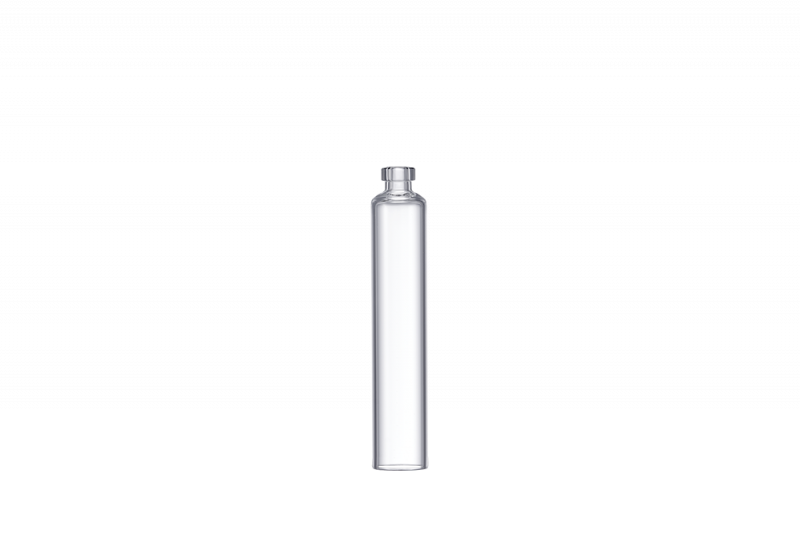
When Breakage Costs Money: a hands-on look at traditional flaws
I was on the dock in Mobile, AL in June 2020 when a single pallet of 2 mL Type I borosilicate glass cartridge packs arrived with 12% of units showing hairline cracks — that hit our buyer for about $3,400 out of one shipment, so what went wrong? (y’all know that sinking feeling.) I’ve been handling B2B supply since 2006, and I’ll tell you straight: those losses weren’t from bad luck alone.
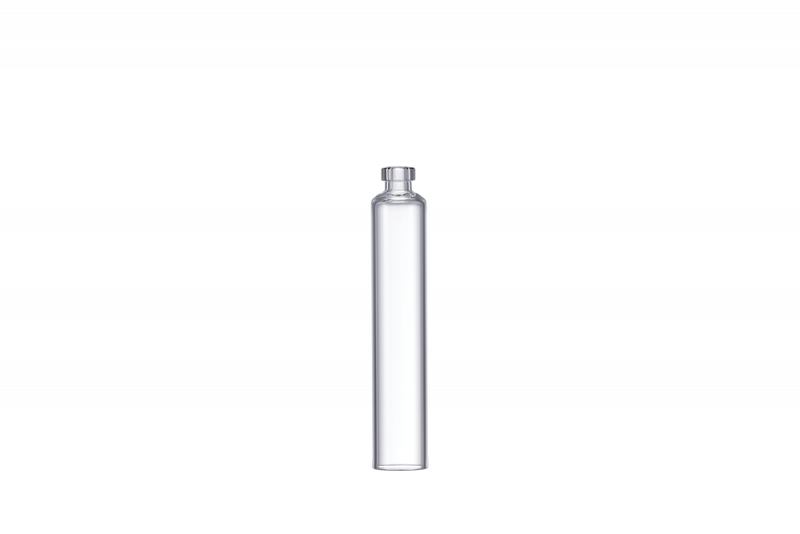
I saw the same pattern again in July 2021 at a Memphis distribution hub — thin walls, poor siliconization, and packaging that didn’t account for thermal cycling during lyophilization runs. The traditional fixes — thicker glass, cruder cushioning, “rustic” inspection by eyesight — mask deeper flaws. Surface defects, substandard depyrogenation, and unseen stress concentrators make a cartridge fail long after QA stamps it “ok.” I remember a batch with elevated particulate counts that passed visual check but failed container-closure integrity on the line; we lost time, reputation, and an entire launch window. Those are the hidden pain points wholesalers wind up paying for.
Why does this happen?
Because vendors focus on unit price and not failure modes. I’ve audited three vendors where nominal specs matched, but actual outcomes didn’t: one used a glass draw temperature that raised internal stress, another skimped on siliconization causing stiction with syringes, and a third skipped routine depyrogenation validation. The result? More rejects at filling, higher particulate risk, and angry customers downstream. We started tracking breakage per 1,000 pieces in 2019 — the metric alone cut repeat incidents by half in six months. That’s actionable. Fast. — and yes, I’m still seeing room for better tests.
Technical breakdown and forward-looking choices for better buys
Let’s break down failure modes so you can choose smarter: thermal shock, surface microcracks, and particulate generation are the big three. A well-made glass cartridge resists those through controlled annealing, consistent siliconization and validated depyrogenation — not just thicker glass. I recommend insisting on documented IS/ISTA packaging tests, CCI (container-closure integrity) reports, and extractables profiles before you sign a PO. We shifted one major buyer from a low-cost supplier to a partner who supplied full CCI and siliconization certificates; turnaround time slipped two days but rejects dropped from 18 per 1,000 to 2 per 1,000. The math paid for itself in one quarter.

What’s Next?
Compare vendors on measurable outcomes, not marketing fluff. Ask for lot-level particulate data, ISTA shock reports, and documented lyophilization compatibility for your product (we did this for a lyophilized biologic in Q4 2022 — saved a relabel run). Use these three metrics when evaluating cartridges: 1) breakage rate under ISTA and real-world transit conditions, 2) particulate and extractables/leachables data tied to your specific fill (vial or cartridge), and 3) validated container-closure integrity results. Those three numbers tell you more than a glossy spec sheet does. I’ll say it—trust the numbers. Pause. Then buy smarter.
For wholesale buyers who want fewer surprises, demand the tests, insist on specific process dates and vendor traceability, and keep a running tally of total cost of ownership. I’ve walked loading docks at three major hubs and seen the difference a single metric can make. If you want reliable supply and fewer returns, measure what matters and hold suppliers to it. Visit LINUO for more on validated cartridge options.