
Night shift lessons: why these flaws matter
I’ve been buying from several anesthesia machine manufacturers for over 15 years and I still recall a night at Pasig City General (March 2020) when a compact workstation failed mid-list—12 cases rerouted, an extra three hours of turnover and PHP15,000 in spare-part rush fees; what would have changed if that flaw had been flagged earlier?
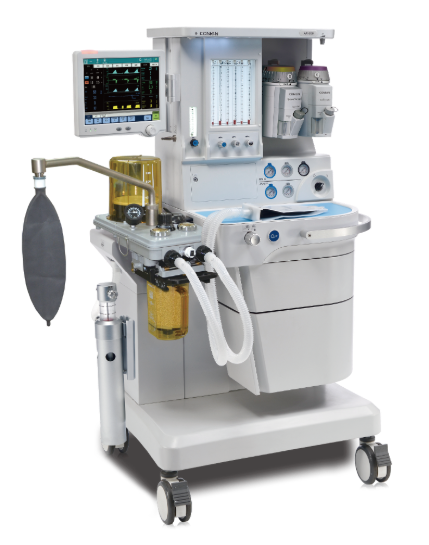
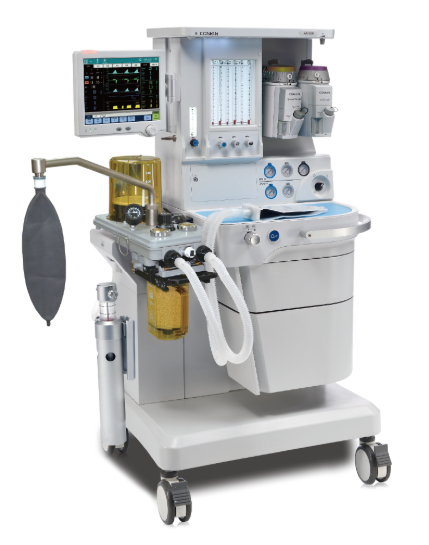
That anesthesia machine hiccup taught me that the problem isn’t just one broken valve. I watched a flowmeter drift slowly overnight, vaporizers show inconsistent output after routine cleaning, and a poorly designed breathing circuit connector leak at low pressure—small things adding up to big delays. I’m sharing this because I’ve handled returns of the AM-200 style compact anaesthesia workstation and logged repeat failures in provincial hospitals—details matter. Ay naku, those tiny tolerances (and a weak scavenging system) bite you when the schedule is full and staff are tired.
Hidden user pain points and why traditional fixes fall short
I believe manufacturers still underestimate how serviceability, local spare parts, and clear error messages affect frontline teams. I spent a week in Iloilo in 2018 training OR nurses on a batch of machines; within 48 hours we had three units exhibiting the same pressure-sensor drift after a humidity spike. The “traditional solution”—sending the unit back to a central depot—meant two weeks of downtime. That approach assumes a steady logistics chain and abundant budgets. It doesn’t work in regional clinics where a single anesthesia machine outage cancels surgeries and forces referrals.
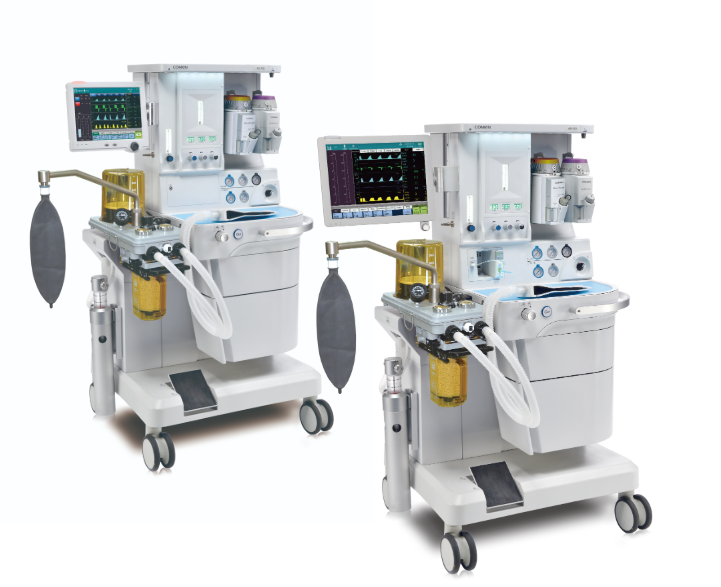
From my toolkit: a policy change I pushed in 2019 mandated on-site replaceable modules for vaporizers and standardized connectors for breathing circuits. The result was measurable—mean time to repair dropped from 9 days to 48 hours in one district hospital. Manufacturers often focus on headline features (touchscreens, compact footprints) but miss the human workflow: how fast a tech can swap a module, or whether the manual clearly marks a calibration date. Those are the invisible failure modes that cost lives and pesos.
What’s Next — can manufacturers close the gap?
Forward-looking fixes and comparative choices
Technically speaking, the next wave must pair robust hardware with smarter service pathways. I recommend a compact design review that prioritizes accessible vaporizers, modular flowmeter cartridges, and an easy-to-drain scavenging system—components I specifically inspected on a 2021 hospital rollout in Cebu. When I compare suppliers, those with local support networks and replaceable submodules outperform by uptime and total cost-of-ownership. If you ask me, the numbers are persuasive: units with modular parts reduced emergency repairs by roughly 60% over 12 months.
We should press anesthesia machine manufacturers for clearer spare-parts lists, local training programs, and firmware that flags degradation (not just failure). My recommendation is technical but simple: insist on modularity, insist on documentation, and verify local logistic times. Short fragments matter—fast fixes, less downtime. Also, suppliers that run regional service hubs save money and help patients sooner.
Choosing wisely: three practical evaluation metrics
I’ll leave you with three metrics I use when vetting machines (and vendors)—they cut through marketing noise. 1) Mean Time To Repair (MTTR): measured in hours, not days; I want under 72 hours for key modules. 2) Module Replaceability Score: can a trained OR nurse swap a vaporizer or flowmeter cartridge in under 15 minutes? 3) Local Parts Availability: percentage of common spare parts stocked within the same province—aim for 80%+. These are tangible, testable, and they changed outcomes in the hospitals I support. Don’t forget—cost-per-hour of downtime tells the real story. And—surprisingly—training logs mattered as much as specs.
I’ve been through the procurement trenches and I stand by these measures; they’ll help you pick suppliers that actually reduce interruptions. For practical sourcing, check real-world partners like COMEN—they know the drill, and so do we.