
Why a framework beats guesswork
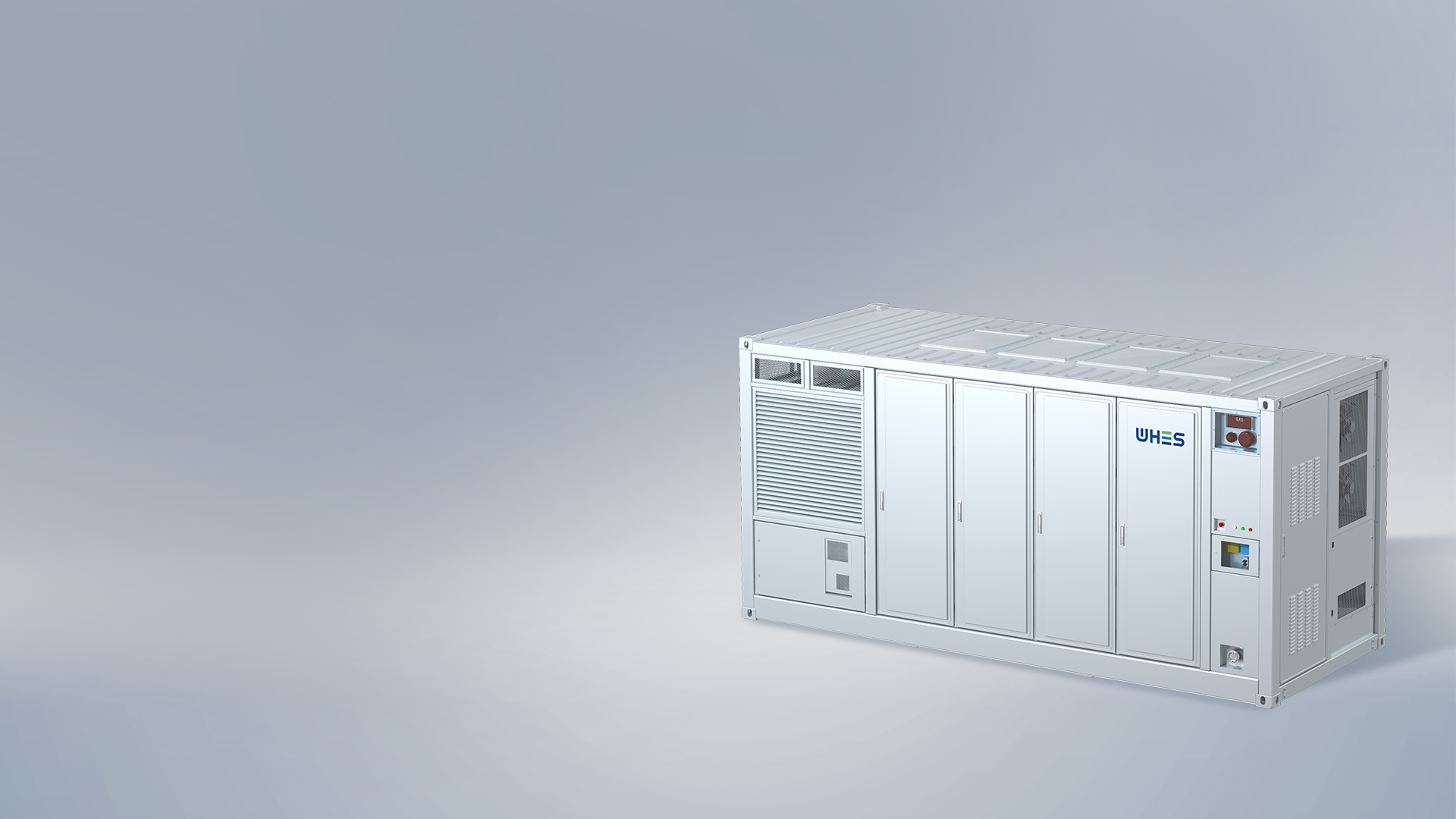
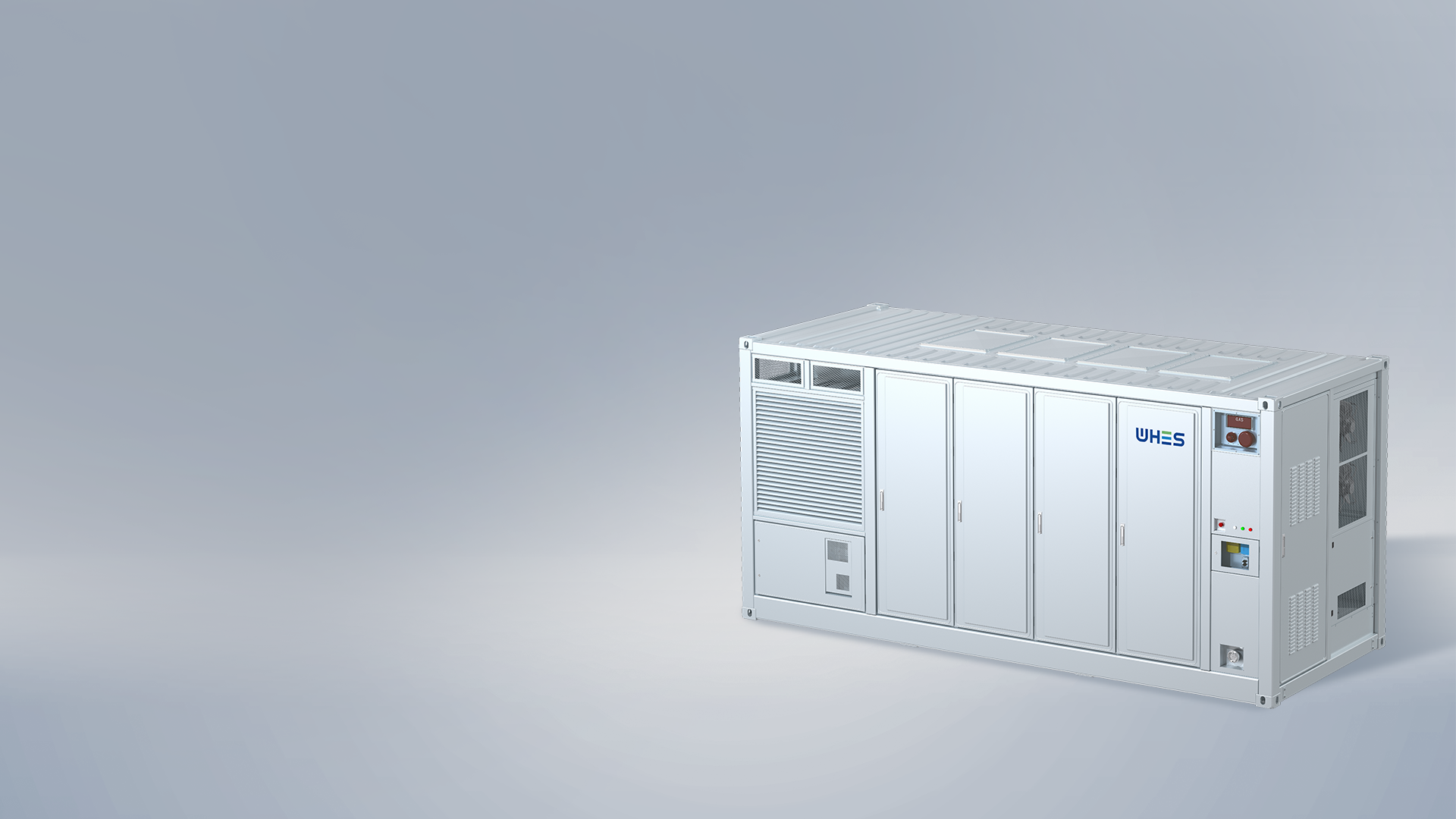
If you’re sizing a commercial system, you don’t want to guess at trade-offs between round-trip efficiency (RTE) and thermal stability — you want a repeatable process. This piece lays out an engineer-friendly framework to translate performance targets into specs you can hand to procurement or an EPC. For utility-scale projects, whether grid services or microgrids, the choice often comes down to how a system’s chemistry, cooling, and controls interact under real duty cycles. See an example of a deployed product class here: utility scale battery storage.
Step 1 — define the duty cycle and target metrics
Start with the operational profile: peak shave, diurnal energy shifting, frequency response, or backup. Each function prioritizes different metrics. Energy shifting needs high RTE and moderate depth of discharge (DoD); fast frequency response values power capability and control latency. Quantify targets as simple KPIs: usable kWh, cycle life at specified DoD, and minimum RTE. That gives you a baseline for chemistry choice and inverter sizing.
Step 2 — chemistry and thermal strategy
Choose a chemistry that aligns with your KPIs. Lithium iron phosphate (LFP) is common for commercial projects because it balances cycle life and thermal tolerance; nickel-based cells offer energy density but add thermal complexity. Thermal design isn’t just about steady-state cooling — it’s about worst-case events. Specify ambient ranges, cooling method (air vs. liquid), and thermal runaway mitigation paths. Real-world anchors matter: look at installations like the Hornsdale Power Reserve — the operational lessons there shaped how many projects prioritize ride-through and cooling redundancy.
Step 3 — controls, BMS and grid integration
The battery management system (BMS) is where RTE and thermal stability converge. A well-configured BMS enforces safe state of charge (SoC) windows, balances cells to avoid hot spots, and integrates with the facility energy management system. Specify communications (e.g., Modbus, IEC 61850), islanding behavior, and response times for ancillary services. Also require firmware update policies and a clear plan for cybersecurity — you want updates that don’t force physical downtime.
Common mistakes to avoid
Teams often make these avoidable errors: underspecifying cooling capacity, assuming lab RTE translates to field RTE, and failing to test with the real inverter and controls. Don’t accept “typical” ambient curves without seeing manufacturer test data. And run samples on your actual charge/discharge profile — lab cycles are neat, field duty is messy. — Also, don’t forget logistics: container thermal performance can change with transport and storage if you’re deploying in hot regions.
How to balance cost vs. performance
Procurement is about marginal gains. A higher RTE reduces energy losses but can cost more upfront; better thermal design reduces risk and potential downtime. Use lifecycle cost models that include avoided energy loss, expected degradation under your duty cycle, and probable costs of a thermal incident. When comparing commercial offers, include terms for warranty degradation curves, emergency replacement lead times, and spare parts availability — these are as material as the quoted $/kWh. For many sites, choosing a tested utility scale bess that matches your operational envelope will save time and risk.
Three golden rules for procurement
1) Demand validated field performance: require site test data or references that match your duty cycle, not just lab specs. 2) Specify thermal and safety acceptance tests in the contract: include abuse tests, cold-start behavior, and a clear definition of containment and venting responsibilities. 3) Score offers by total cost of ownership: model degradation, RTE losses, maintenance windows, and replacement amortization — then weight scores against your operational value streams.
Follow that framework and you’ll turn ambiguous vendor claims into measurable comparisons. For projects where RTE and thermal stability must both hold up under real duty, the right product selection is less about a single spec and more about the total engineered solution — and that’s exactly where WHES comes in. —