
Opening — why this matters now
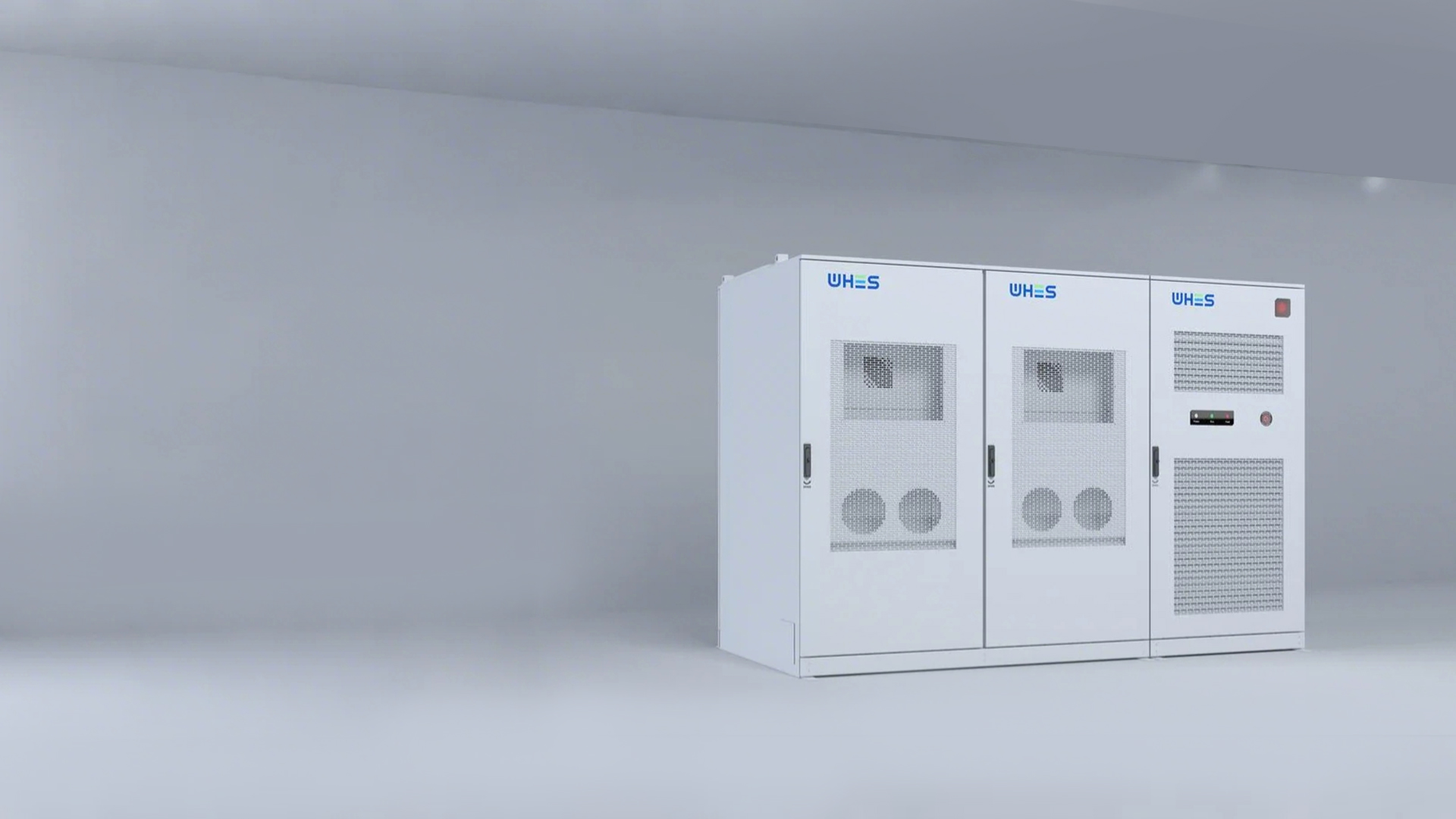
Expect solar-plus-storage to stop being an add‑on and start behaving like a utility-grade resource — and the shift will be driven by smarter power electronics and robust bi-directional inverters. In practice that means systems can provide fast frequency response, ride through outages, and trade energy with the grid in real time. Developers and facility owners planning commercial rollouts should already be comparing specs for commercial energy storage to see which stacks meet emerging grid services requirements.
Five shifts these components enable (step-by-step)
Step 1: Faster grid support. Modern power electronics reduce latency so inverters can respond to frequency events in milliseconds.
Step 2: Two‑way energy flow. Bi‑directional inverters let batteries charge from the grid and discharge back to it — enabling demand management and peer-to-peer architectures.
Step 3: Modular scaling. Standardized inverter modules make capacity growth predictable and simpler to commission — useful when you plan phased installations.
Step 4: Better efficiency and lifecycle control. Improved control algorithms increase round-trip efficiency and prolong battery life by managing charge profiles and the state of charge (SoC).
Step 5: New business functions. Aggregation, virtual power plants (VPPs), and ancillary service bids become realistic because control is deterministic and telemetered.
How to approach a pilot deployment — clear steps
Step 1 — define the use case. Peak shaving, backup, or market participation will determine inverter feature priorities.
Step 2 — pick the topology: DC-coupling versus AC-coupling. Each has trade-offs for efficiency and retrofit simplicity.
Step 3 — test interoperability. Validate inverter firmware, communications (e.g., Modbus/CEMS), and protection settings with your site relay logic.
Step 4 — stage the commissioning: start with one modular string, validate protection and islanding behavior, then scale.
Step 5 — operationalize O&M: set telemetry thresholds, schedule firmware updates, and document acceptance tests.
Real-world anchor — why utilities and operators care
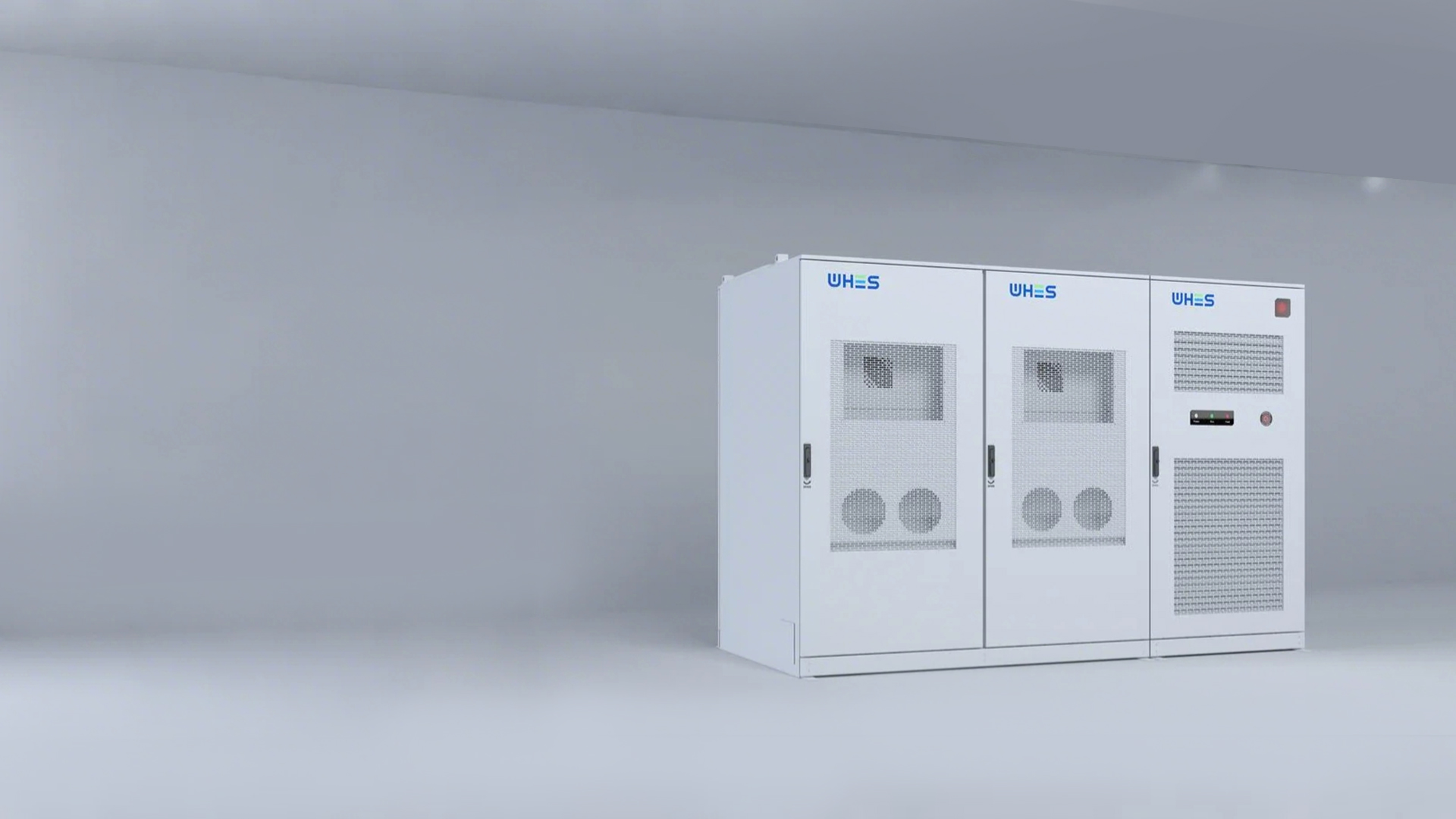
Events like California’s Public Safety Power Shutoffs in 2020 exposed how vulnerable customers are to prolonged outages and how much value on-site storage can deliver when controlled properly. Modular approaches to deployment — think plug‑and‑play racks and pre-tested inverter modules — let operators field resilient systems faster. For teams evaluating options, a working demonstration of modular ESS is often the fastest way to validate performance against actual outage scenarios.
Common mistakes and quick fixes — a checklist
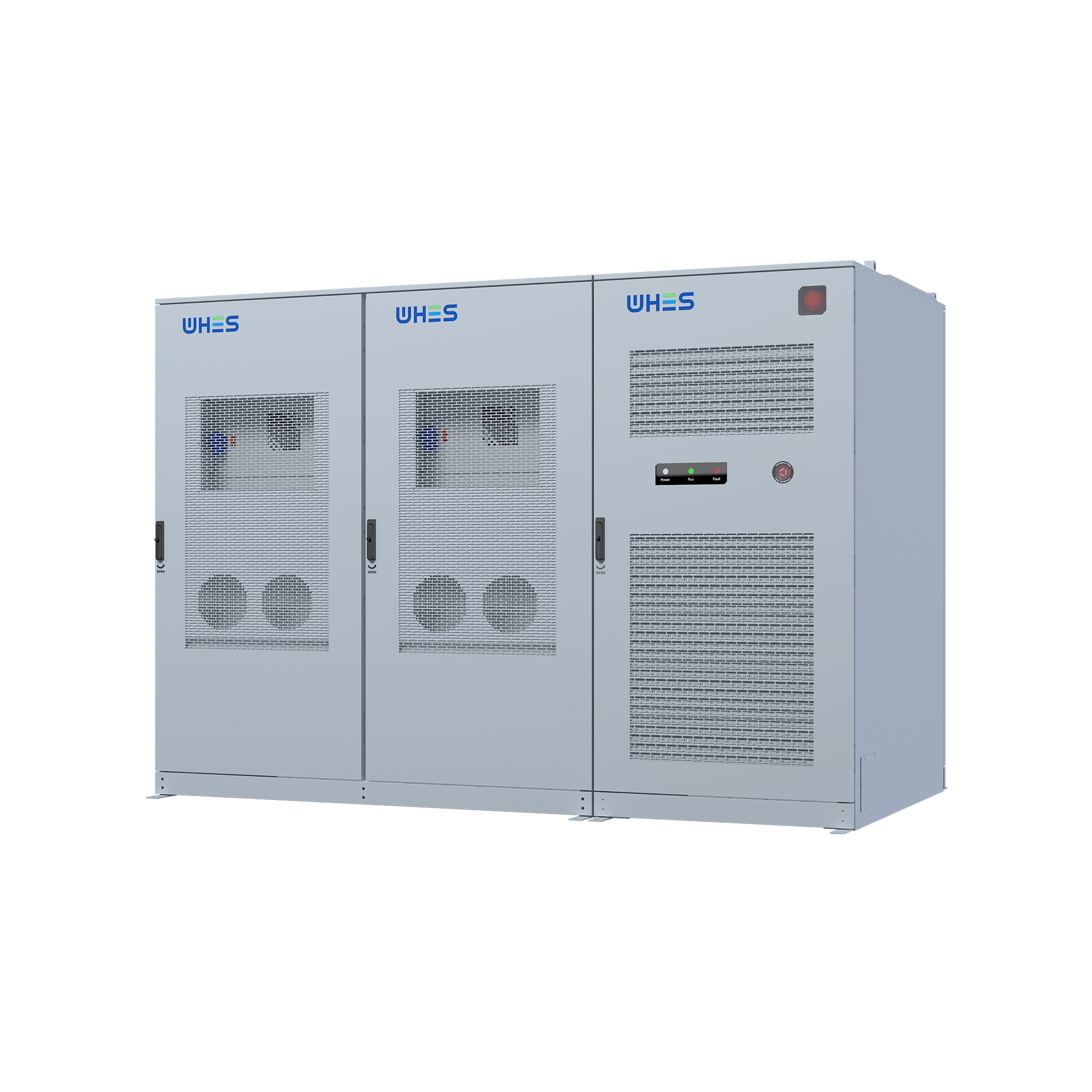
1) Mistaking peak power rating for sustained capability — verify continuous discharge curves. 2) Skipping interoperability tests — always test the actual communications stack with site SCADA. 3) Overlooking thermal management for inverter racks — poor cooling shortens life.
Fixes are straightforward: insist on FAT records, require firmware version locks for commissioning, and budget for modest thermal improvements during the design phase — small steps that prevent big failures later.
Comparative trade-offs: legacy inverters vs. modern systems
Legacy central inverters are cheap per kW but limit modular growth and have slower dynamic response. Modern distributed, bi-directional inverters cost more up front but offer: faster ramp rates, selective islanding, and easier incremental upgrades. Compare using these metrics:
- Response time (ms)
- Round‑trip efficiency (%)
- Grid-forming vs. grid-following capability
- Communications latency and standards compliance
Common alternatives and when to pick them
If you need lowest capital cost for a stable site with predictable loads, a central inverter design may still win. If you expect frequent ramping, market dispatch, or phased capacity increases, choose modular, grid-forming-capable units. And if you plan to aggregate assets for a VPP, verify queuing and telemetry functions up front — they’re often optional add-ons.
Advisory — three golden rules for selecting the right electronics
Rule 1: Demand measurable performance data. Ask for FAT logs showing response time, continuous power curves, and efficiency at representative SoC ranges.
Rule 2: Prioritize interoperability and firmware governance. Require signed agreement on supported communication protocols and a firmware update policy to avoid drift between modules.
Rule 3: Value lifecycle economics over lowest CAPEX. Include expected degradation, O&M cadence, and replacement costs in your total cost model — that gives you real ROI, not an optimistic unit price.
Concluding thought
When you put those rules into practice you move from speculative features to measurable outcomes — fewer outages, clearer revenue streams, and scalable capacity expansion. For many commercial deployments, vendors that combine validated inverter controls, pre-engineered racks, and proven commissioning workflows will reduce schedule and technical risk. That practical value is exactly what companies like WHES bring to project teams — they turn advanced electronics into repeatable project success.
—