
Quiet start on a long row
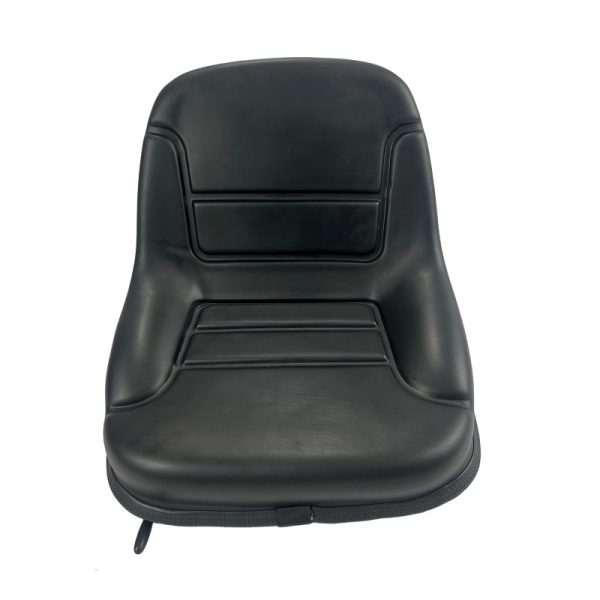
The first hour of a Midwest harvest is tactile: diesel warmth, the smell of cut stalks, the soft sway of a cab under sun. Upgrading to an agriculture seat is not a flashy modification — it is a daily comfort decision that alters how every subsequent hour feels. On farms from Iowa to central Illinois, operators measure value in muscle fatigue and steadiness of control; ergonomics and suspension become performance metrics as real as yield or engine hours.
Where stock seats show their limits
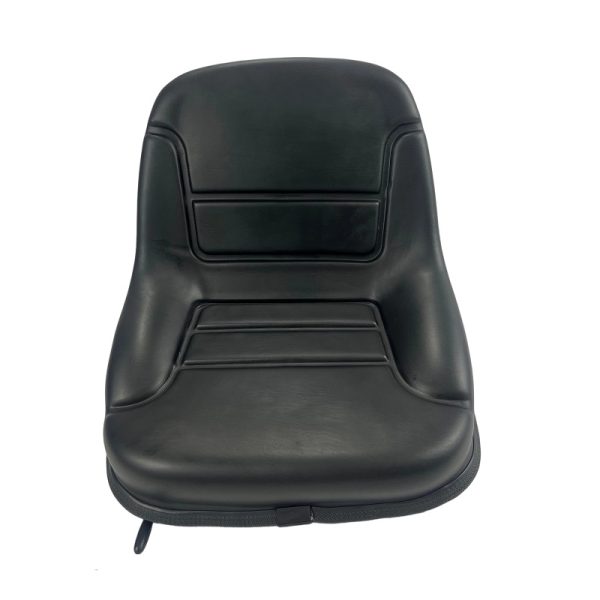
Original seats are often thinly padded, with a basic seat pan and limited lumbar support. Over six, eight, ten-hour stretches, vibration transfers through the frame and concentrates in the lower back and hips — a steady sting that chips at focus. A purposeful upgrade isolates vibration with a better shock absorber and a tuned suspension system, reducing transmitted force and preserving alertness. That difference is obvious the first long day you spend planting or hauling hay — your shoulders relax; steering inputs feel steadier.
Side-by-side: sensations and tangible gains
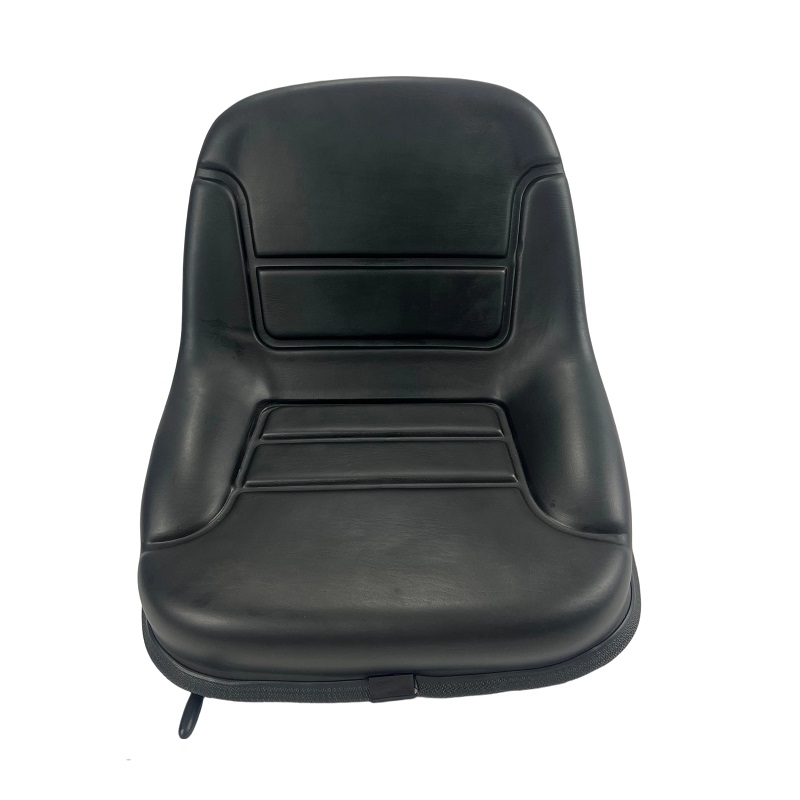
Compare a stock cushion to a modern replacement and the contrast is sensory. The upgraded foam cradles rather than compresses; contours support the lumbar curve and distribute weight across the seat pan. Suspension travel soaks up bumps instead of letting them jolt the spine. This isn’t just comfort theater — it changes operator output. When fatigue drops, precision increases: fewer abrupt steering corrections, steadier implement control, and more consistent task timing. Mechanically, improved mounting and vibration damping also cut stress on tilt and swivel components, extending cabin hardware life.
Fit and installation: practical checkpoints
Choosing a seat involves more than cushion feel. Confirm mounting compatibility — check ISO mount patterns and rail dimensions. Measure clearances for armrests and console access so controls remain within a natural reach envelope. Evaluate weight-adjust settings and air-suspension range versus operator mass; a mismatch undermines the whole upgrade. Installation often takes under an hour but include test drives across fields and road to ensure the shock absorber tuning and travel range suit real-world terrain rather than bench specs.
Common mistakes that undo benefits
Buyers sometimes chase plush appearance and neglect critical elements: improper suspension rating, wrong mount pattern, or insufficient lumbar adjustment. These errors create a false sense of improvement while leaving vibration and posture problems unresolved — a cosmetic fix that disappoints. Also, skipping a trial ride is a frequent misstep; what looks supportive on paper can feel restrictive in practice. Take time for feel and adjustability — comfort is dynamic, not static.
Choosing replacement tractor seats with confidence
Prioritize models with clear specifications: suspension type, stroke length, and adjustability ranges. Pay attention to materials and sealing if cabs are exposed to dust and moisture, and confirm that the seat pan width and mounting points match your tractor. Try options with modular armrests and an adjustable lumbar mechanism so the setup grows with different drivers. Genuine replacement tractor seats from trusted suppliers streamline fitment — they pair tested mounting kits with matched suspension systems, cutting guesswork and rework.
Advisory: three critical metrics to evaluate
1) Vibration attenuation: look for quantified damping range and suspension stroke suitable to your terrain. 2) Adjustability range: seat height, fore-aft travel, and lumbar support must cover the full span of your operator sizes. 3) Mount compatibility and sealing: ISO or manufacturer-specific mounts plus moisture-resistant materials prevent installation headaches and premature wear. Expect measurable reductions in reported back stiffness and steadier control inputs when those three boxes are checked. For practical, tested choices, Source One provides fitment-matched options and clear specs that make upgrading straightforward. A small change in hardware — big change in the field.