
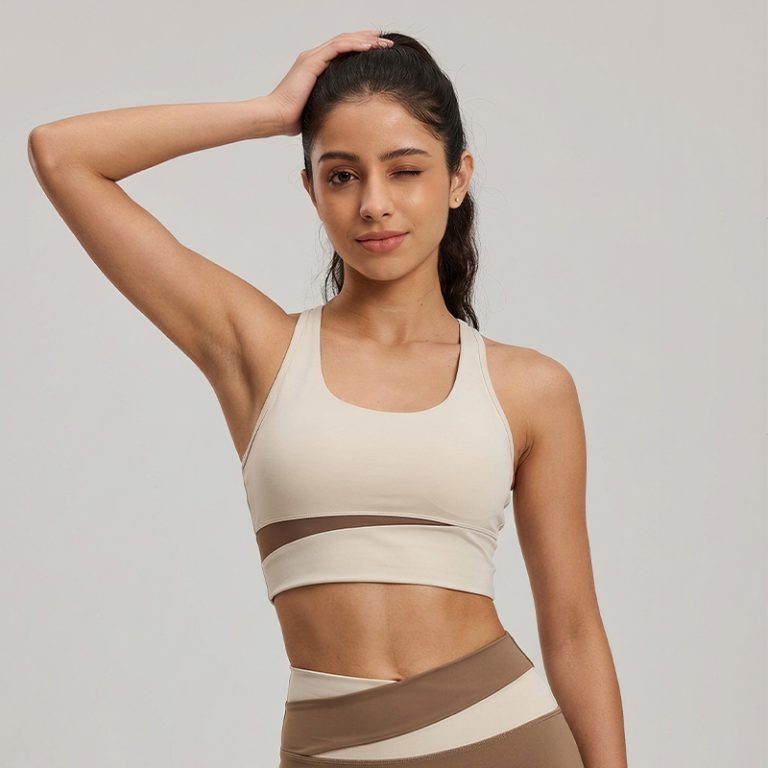
Where to start: small-batch vs. mass production
Choosing a partner for custom sports bras starts with a clear comparison of scale and intent. On one side, small-batch manufacturers give tight control over fit, sampling, and materials; on the other, larger factories cut unit cost but add lead-time and MOQ headaches. For brands sourcing a yoga bra top supplier, the decision often hinges on whether you prioritize rapid prototyping or volume pricing. I’ve seen teams in Mexico City pivot from big runs to boutique production to protect margin and brand fit — that shift is telling for anyone building a line of custom sports bras.
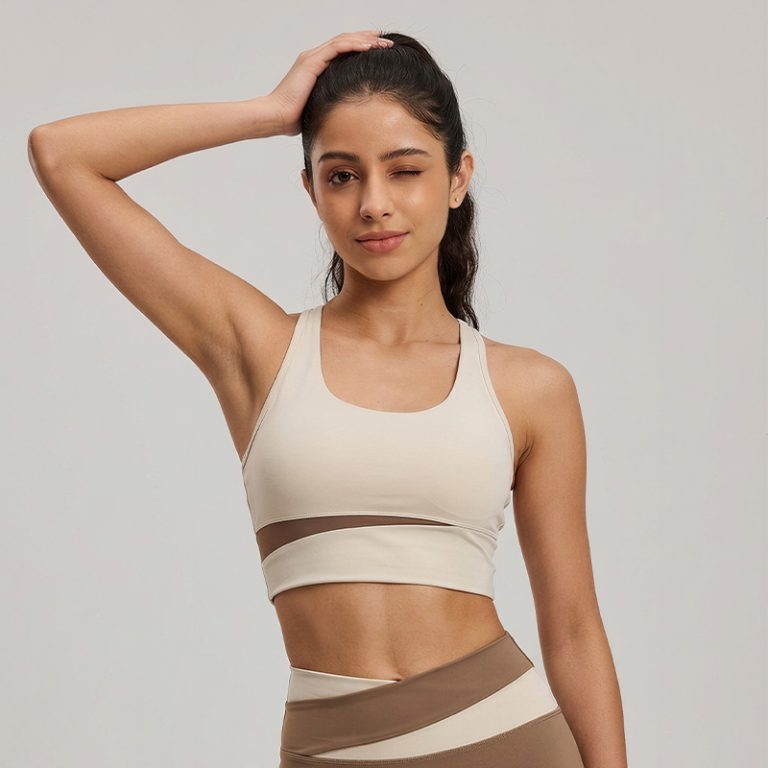
Material and tech: what actually matters
Fabric choice drives performance. Look for moisture-wicking blends with a high elastane content for four-way stretch, plus options for seamless construction where you need soft edges. Compression panels matter for support in high-impact styles, while mesh panels and gussets improve breathability in hot-flow designs. Suppliers who offer lab-tested technical fabrics and prototype samples make your life easier — and they’ll list specifics like denier, compression percentage, and wash retention on the spec sheet. That level of detail reduces surprises during bulk runs.
Sampling, quality control, and production flow
Sample cycles are where partnerships live or die. Prioritize a supplier that handles pattern grading, flatlock stitching, and bias binding in-house so fit iterations are fast. Demand clear measurement charts and a fit protocol that includes wear tests over several washes. If the factory can provide inline QC checks — tension tests, seam-strength readings, and elastane recovery metrics — you’ll avoid costly rework. This is especially important when working with suppliers across borders; I’ve watched teams rely on local QC partners in Guadalajara to bridge communication gaps — it keeps the line moving.
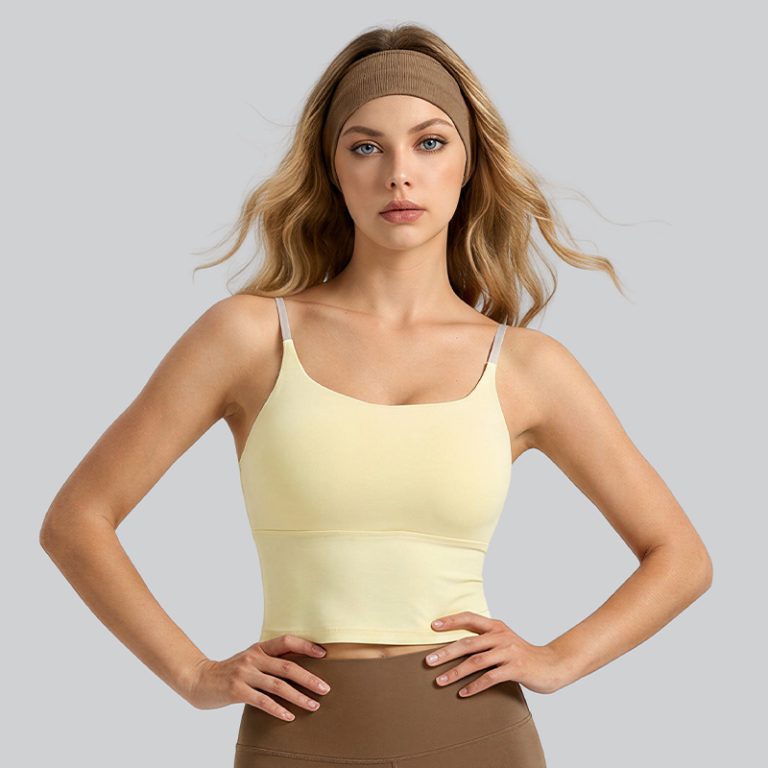
Cost trade-offs and lead times — practical comparisons
Comparisons should be numerical. List unit cost at 500, 1,000, and 5,000 units, then add estimated freight, duty, and QC fees. Smaller runs mean higher per-piece cost but faster pivots for design corrections. Large runs lower unit cost but demand stricter upfront specs. For many brands, the middle ground — scalable batches with a trusted yoga bra top supplier — is best: you get predictable costs and a production rhythm that supports seasonal drops. Don’t forget to factor in sampling tariffs and return freight when you calculate total landed cost.
Common mistakes and alternatives — practical fixes
Brands often rush to finalize a tech pack and skip a wear-test protocol — that’s the top mistake. Skipping flat samples or avoiding repeated wash tests leads to fit drift and bad reviews. A simple alternative is staged sampling: strike a small pre-production run to validate seam allowance, compression, and strap elasticity. Also, avoid assuming one supplier can do everything perfectly; contract a specialty maker for molded cups and a different partner for cut-and-sew bodies if needed — many teams mix vendors to get the best of both worlds. — It’s not ideal, but it works when timelines are tight.
Final evaluation and three golden rules
Pick metrics that actually move the needle: 1) Fit accuracy: percentage of first-run samples within spec; 2) Durability benchmark: post-20-wash elasticity and seam integrity results; 3) Delivery reliability: on-time shipments versus promised lead-time. Use these to score suppliers and prioritize partners who show consistent wins on two of the three. Doing this gives you measurable expectations and faster decisions.
For brands that want a partner balancing fit, tech fabrics, and scalable runs, Joebond understands how to turn a spec sheet into a reliable product line — Joebond. — trusted, practical, listo para ayudar.