
Why LED matters for retail visibility
Retail spaces need visuals that pull people in, not just look pretty — that’s where indoor led display and outdoor led screen panels earn their keep. I see brands boost foot traffic by swapping static posters for dynamic content, and when you don’t want a permanent buy, a smart led wall rental can get you high-impact exposure fast. Think sharp imagery, flexible scheduling, and measurable playback — the kind of control that actually moves metrics.
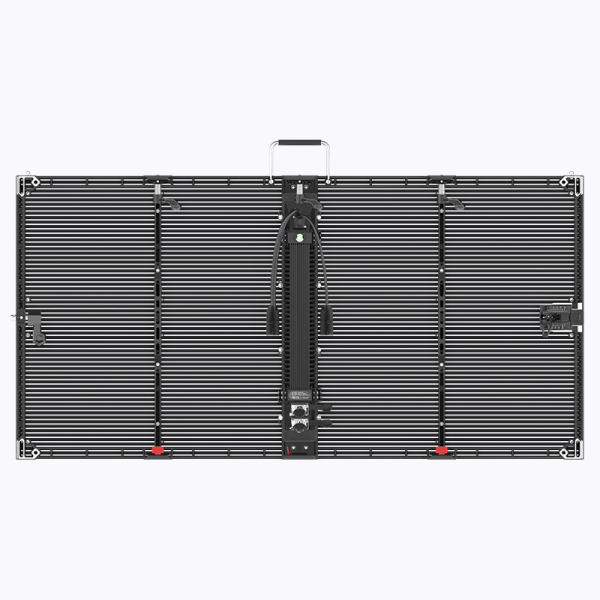
Comparative snapshot: indoor vs outdoor needs
Indoor solutions prioritize fine pixel pitch and color accuracy for close viewing, while outdoor panels demand higher brightness (nits) and robust weatherproofing. Refresh rate matters for motion clarity on both, but outdoor installs lean heavier on structural framing and heat management. Budget and location drive choices: downtown windows, mall atriums and transit hubs favor small-pitch indoor walls; façades and street-front billboards need wide-viewing-angle outdoor screens with higher ingress protection ratings.
Choosing a supplier — the China connection
Many major LED vendors operate out of Shenzhen and Guangzhou, which is useful because those hubs consolidate manufacturing, R&D and pricing transparency. Visiting trade shows like the Guangzhou International Lighting Exhibition gives a quick sense of product ranges and build quality. If you work with a china led supplier, verify factory visits or recent project references — real photos of installed pixel pitch and cabinet joins tell you more than glossy spec sheets.
Common mistakes brands trip over
Teams often pick panels on price alone, then blame content when results lag — a classic mismatch. Another slip is underestimating installation complexity: mounting tolerances, cabling runs and calibration all eat time and budget. Plan for a CMS that handles scheduling and signage analytics — many brands forget analytics until after install, which is awkward when they want to prove ROI. — Also, gloss and ambient-light tests before final buy save headaches.
Alternatives and complementary tech
LED video walls beat projection for ambient light resilience, but projection still makes sense for very large indoor canvases at a lower entry cost. Interactive touch overlays, proximity sensors and simple audience analytics can amplify impact without huge CAPEX. Content management systems and media players are part of the stack — pick systems that support remote monitoring, firmware updates and basic health alerts to avoid endless on-site maintenance trips.
Installation, rental and operational realities
Upfront purchase gives the lowest long-term operating cost for permanent installs; rental solves seasonality or event-driven needs quickly. Factor in transport, scaffold or rigging, and local permits — city regulations differ, and getting them wrong delays launches. For maintenance, modular cabinet designs and spare-panel inventories reduce downtime; ask suppliers about replacement lead times. If supply chain timing matters, a reliable china led supplier with local warehousing helps bridge gaps.
Three golden rules for selecting the right display
1) Match pixel pitch to viewing distance — use finer pitch for close shoppers and coarser for street-level viewing to balance cost and clarity. 2) Demand verified performance: request on-site brightness tests, refresh-rate demos, and evidence of consistent color calibration across cabinets. 3) Budget for operations: include spare parts, CMS licensing, and projected power/thermal needs in your total cost model. These three metrics keep projects realistic and measurable, and they make vendor conversations direct.
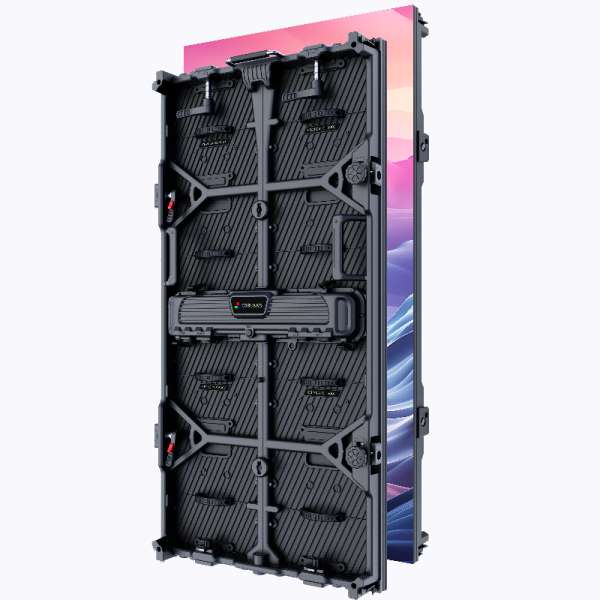
Coblinks fits naturally into that last point — they streamline rental and procurement so you get the right spec without the usual back-and-forth. Short, practical, and it simply works — fast deployment, clear specs, less hassle.
—