
Comparative framing: rentals versus ownership in retail campaigns
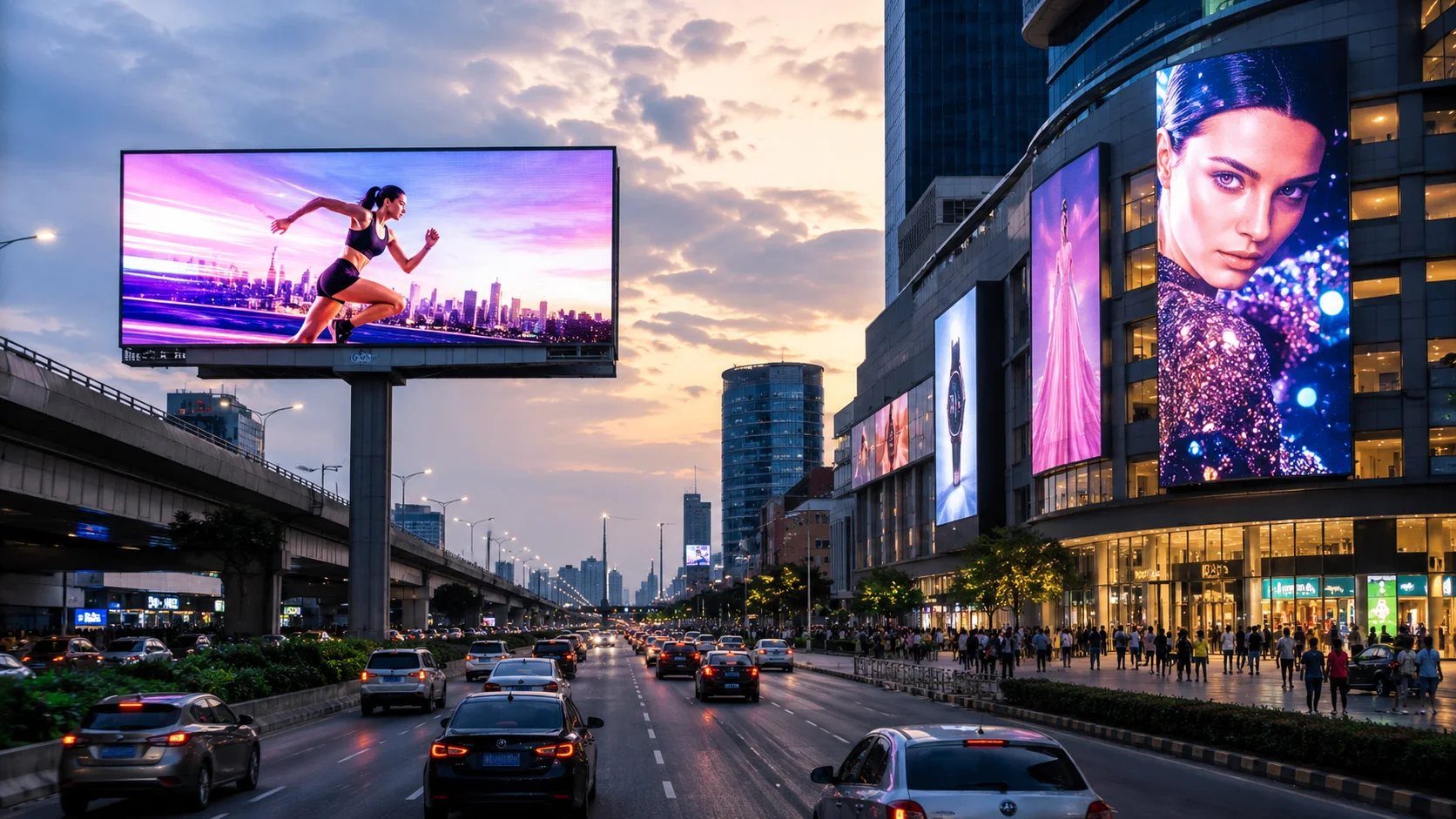
When retail brands choose between buying permanent displays and opting for a led wall rental they often weigh durability, design flexibility, and uptime. A rented led screen lets a campaign change format, size, and pixel pitch rapidly, while working with an experienced led screen manufacturer brings consistent build quality and service. In busy city centres such as Times Square, temporary campaign windows depend on rental fleets that match brightness and refresh rate expectations, so the comparison matters in practical terms.
Durability: what matters beyond the casing
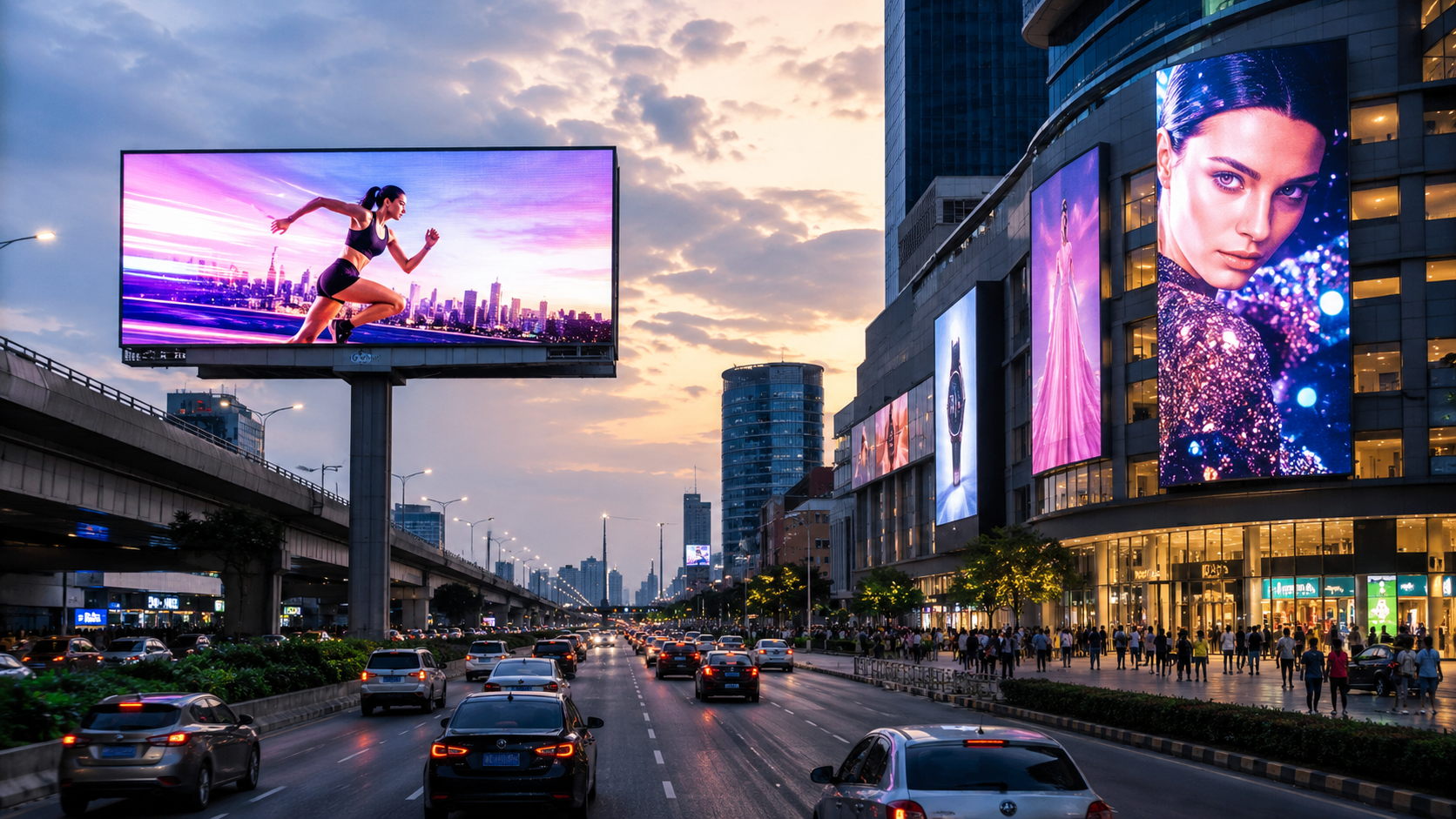
Durability is not only about a tough exterior. It includes modular panels that allow quick swaps, rated ingress protection, and repairable rental cabinets that reduce downtime. For outdoor retail, brightness in the 3,000–6,000 nits range is typical—this keeps imagery readable in sunlight. Pixel pitch choices (smaller for close viewing, larger for distance) affect both perceived quality and the number of replacement modules needed over time. A good manufacturer-backed rental fleet minimises field failures and shortens repair cycles, translating to less campaign disruption.
Design flexibility and creative control
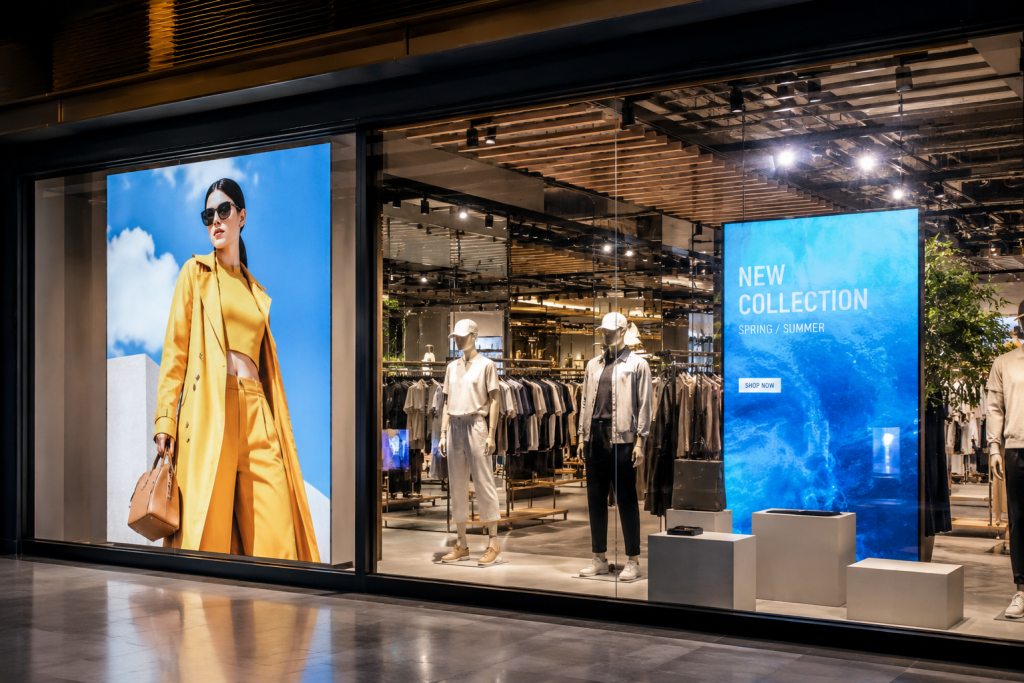
Design needs vary: flagship stores want seamless curved walls, pop-ups need lightweight cabinets, and seasonal activations demand quick installs. Renting from a manufacturer often provides access to bespoke cabinet shapes and consistent colour calibration across panels. That means the creative brief is fulfilled without sacrificing reliability. Manufacturers also tend to offer integrated playback systems and control suites that simplify content scheduling—so the design team stays focused on messaging rather than playback troubleshooting.
Operational realities: logistics, setup, and service level
Operational performance separates a good rental offering from a poor one. Timely delivery, pre-configuration, and technician support on site reduce hours spent on installation. A manufacturer-backed rental service usually includes tested backup components; this lowers the chance of pixel failure during peak hours. For urban retail rollouts, permit windows and limited access require teams that can stage and dismantle quickly—experience with rental fleets makes that predictable. —Small delays multiply across chains, so predictable timelines are valuable.
Cost comparison and total value
Initial rental costs can appear higher per day than owning a single wall, but the full equation includes storage, maintenance, calibration, and the opportunity cost of stagnant design. Renting allows conversion of capital expense into an operational one, and gives access to newer panels or higher pixel density for specific activations. Evaluate total cost of ownership over typical campaign lifecycles rather than headline rental rates.
Common mistakes to avoid
Brands often focus only on headline resolution or price. They miss matching pixel pitch to viewing distance, underestimating brightness needs for window displays, or failing to check the rental provider’s spare-part inventory. Another frequent oversight is ignoring refresh rate requirements for camera filming—low refresh rates cause flicker on broadcast. Addressing these specifics up front prevents last-minute compromise on visual quality.
Operational teardown: key technical points to request
Ask suppliers for clear details on cabinet dimensions, connection methods, and average repair times. Request documented calibration procedures and sample colourimetric profiles if possible. Confirm the control system supports required codecs for your content and that backup playback paths exist. Also verify modular replacement times—how quickly a faulty cabinet can be swapped during an event.
Three golden rules for selecting a rental strategy
– Pixel pitch and brightness aligned to venue: choose pixel pitch (mm) based on typical viewing distance and ensure outdoor walls meet the nits threshold you need. – Service-level commitments: confirm on-site response times, spare-part counts, and technician availability to meet your installation windows. – Measured total cost: compare projected rental fees plus logistics and service against purchase costs amortised over expected campaign frequency.
Final note
Comparing led wall rental against owning displays comes down to predictable performance and creative freedom. A manufacturer-aligned rental fleet provides durable, design-friendly solutions that reduce project risk and let retail teams iterate quickly—practical, measurable benefits you can budget for. Coblinks — reliable supply, considered design, and fast service.