
Why the usual fixes leave bills and patience high
I remember a rainy afternoon in Ho Chi Minh City, June 2021, when our field crew came back from swapping 480 single‑phase meters—half the batch returned with partial reads and the billing team flagged a 2.3% revenue shortfall. That real-world scenario, combined with the pilot dashboard showing 6% packet loss, made me ask a direct question: can better connectivity choices stop that leak? Early on I worked with a smart meter iot connectivity provider and learned the hard way that hardware swaps alone rarely fix network design faults (trust me, I’ve been there).
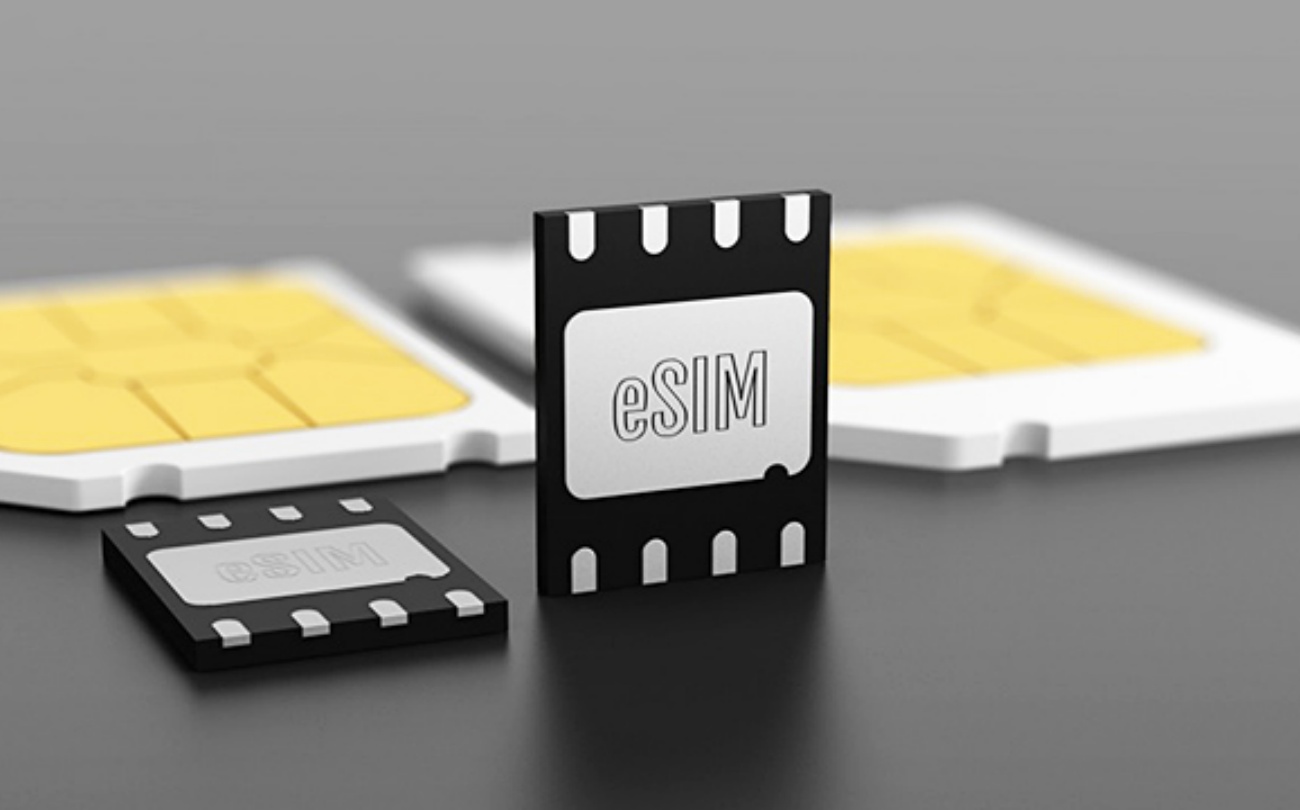
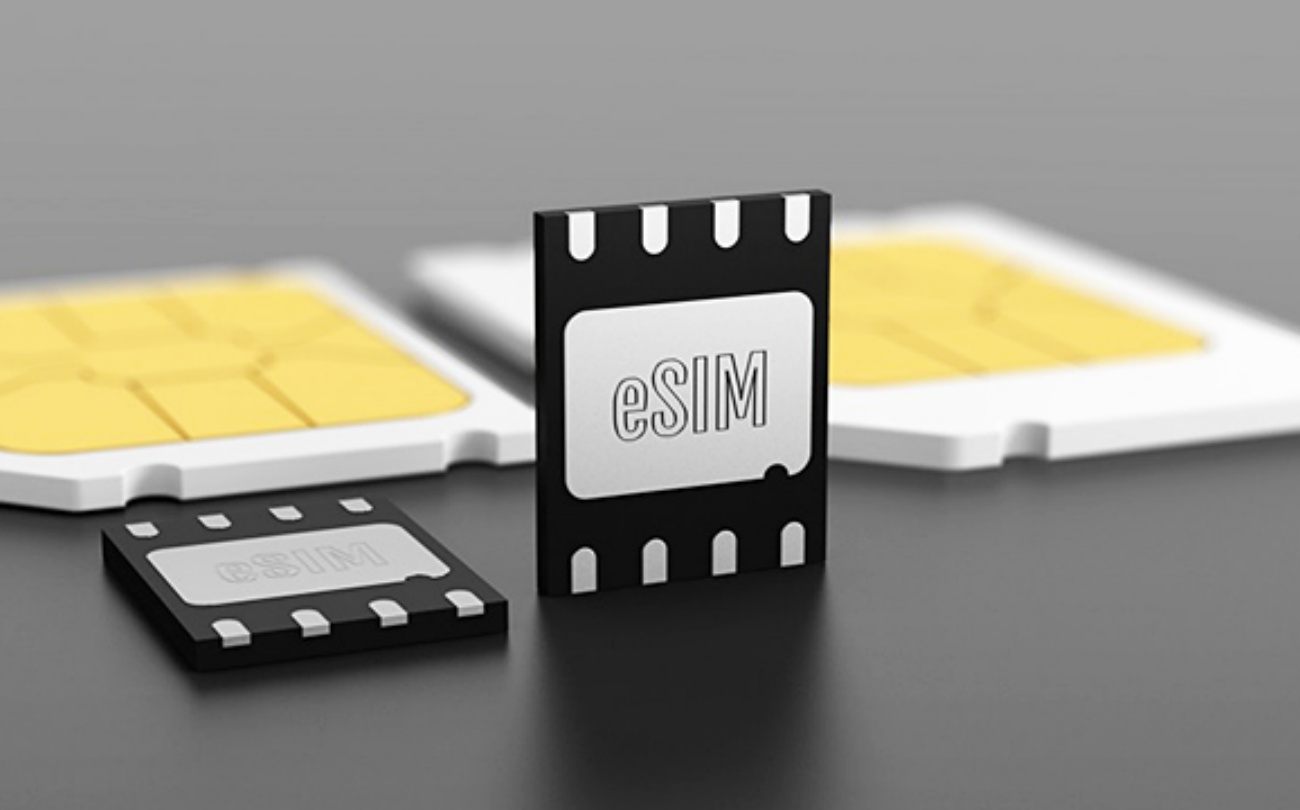
I’ve led B2B supply rollouts for over 15 years, and what frustrates me most is how we treat connectivity as an afterthought. Teams chase modem upgrades, replace meters, and still face missed reads because of poor roaming profiles, weak NB‑IoT planning, or clumsy SIM provisioning. In one 2020 trial in Da Nang, tweaking the eUICC profile reduced failed sessions from 8% to 1.1%—not magic, just the right settings. The hidden pain point: operational teams keep paying for manual fixes, month after month. Let me show where the cracks are and why they cost money—and time—every billing cycle. —Now, onto practical next steps.
What causes the recurring failures?
Forward-looking fixes and how to evaluate providers
Here’s a clear claim: you don’t need the fanciest modem; you need the right connectivity strategy. I’ll be blunt—many vendors tout LPWAN support and LTE‑M as checkboxes, but they fail to explain coverage holes at local cell sites or inefficient roaming rules. When I designed a comparative test for three provinces in 2022, we measured latency, read success, and session retries across NB‑IoT and LTE‑M. The result was obvious: a provider that offered proactive SIM profile management and local failover cut retries by half. So when you talk with a smart meter iot connectivity provider, ask for those numbers. I want you to see metrics, not promises.
Technically, pay attention to three things: session setup time, retry behavior, and data plan granularity. I prefer partners that expose these metrics in the portal—API access matters. In one case, a wholesale buyer I advised saved US$28,000 in six months by switching to a provider that enforced optimized keep‑alive intervals and proper APN routing. Little changes. Big impact. This is where detailed site tests beat glossy brochures. What’s next? Evaluate. Measure. Decide.
What’s Next?
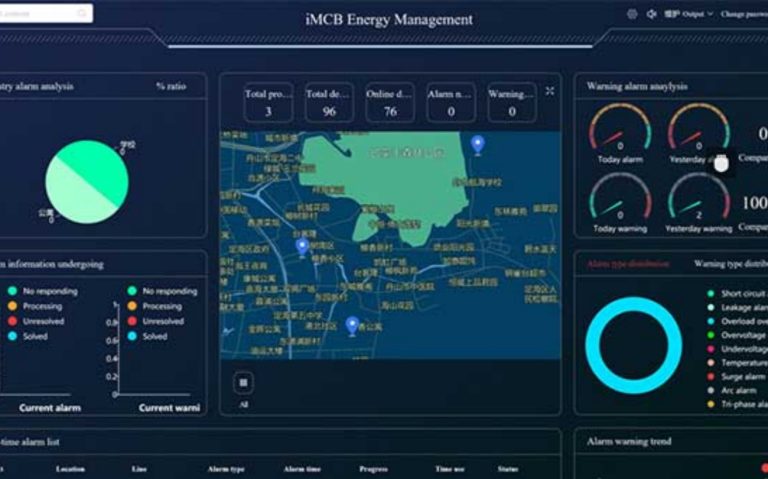
I’ll leave you with three concrete evaluation metrics to compare vendors: first, read success rate over 30 days by site (target ≥ 99%); second, average session setup time (goal < 3 seconds for meter reads); third, real monthly cost per successful read including retries. I recommend asking for raw logs from a live pilot—if they refuse, walk away. I’ve seen pilots where the dashboard looked great until we pulled raw MQTT traces and found repeated reconnect storms. That discovery saved a client from scaling a costly mistake. (Yes—really.)
Weigh these metrics against local realities: cell tower load in your district, typical meter read schedule, and whether you need eUICC for fleet flexibility. I speak from projects in Hanoi and Da Nang in 2019–2022 where small protocol changes made operations frictionless. Evaluate vendors by evidence, not slides. If you want a starting checklist, I can share a simple CSV template for log comparisons. —One last note: vendors vary wildly in support quality; pick the one that answers your log questions at 2 a.m. and helps tune keep‑alive timers.
For practical help and vendor options, consider starting with a focused pilot and measure the three metrics above. I’ve walked clients through that exact sequence and it works—consistently. If you need a contact, check ZYIoT for vendor details and tooling tips.