
Comparing options: electric OEMs versus ad-hoc fleet builds
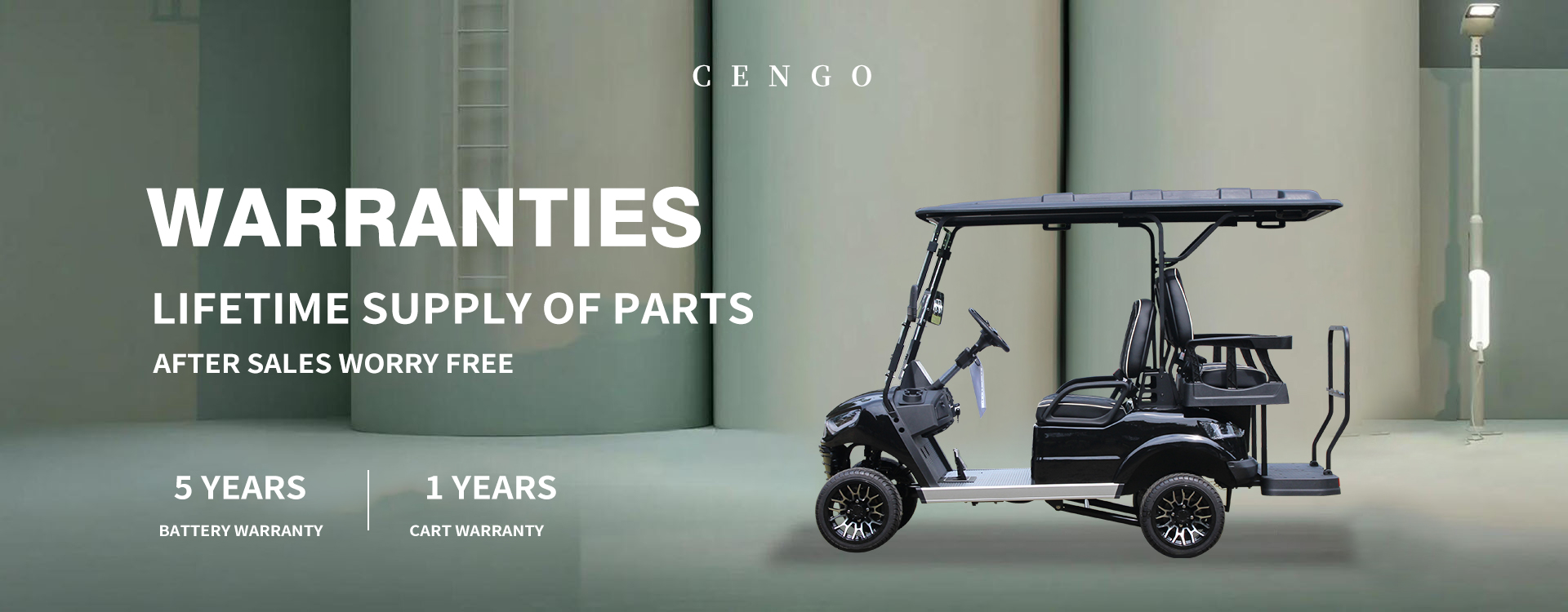
Property teams juggling grounds care, guest transport, and light cargo face a choice: cobble together off-the-shelf utility units or work with a dedicated electric UTV manufacturer. The difference isn’t just price — it’s reliability, warranty structure, and systems integration. For multi-passenger needs, a purpose-built 4 seater golf cart typically outperforms retrofitted ATVs because manufacturers design the chassis, battery management system, and payload capacity as a single package.
Operational reality: what scales and what breaks down
Scaling a fleet means predictable uptime. When units share common components — standardized controllers, modular batteries, and consistent range figures — spare-part logistics shrink and technicians learn fixes faster. That reduces mean time to repair (MTTR) and keeps assets in the field. Manufacturers also deliver documentation and training, which beats undocumented mods every time. Orlando resorts and large campus operators already favor multi-passenger designs for tight schedules and consistent guest flows, so there’s precedent in high-demand environments.
Design advantages manufacturers provide
Manufacturers think about integration: charging infrastructure that matches vehicle range, regenerative braking tuned to urban stop-start routes, and thermal management to protect cells. This matters for properties that need predictable shift lengths and quick turnarounds. Build quality also affects long-term TCO — solid frame geometry keeps suspension wear uniform; a well-specified BMS prevents early battery degradation. In short, you get a purpose-built vehicle that aligns with fleet needs instead of patchwork solutions.
Where property managers typically go wrong
Common mistakes stem from treating utility vehicles as disposable. Teams buy the cheapest model, then get surprised by mounting service costs and poor range under load. They underrate payload capacity and seating effects on efficiency — running a unit near max payload cuts range more than many expect. Don’t ignore charging patterns, either; inconsistent charging cycles shorten battery life. Fixing those problems later is costlier than choosing the right manufacturer up front — and the right manufacturer will guide you through specs, not just sell a unit.
Comparative checklist: key specs to weigh
Use a short scorecard when evaluating suppliers. Compare these practical items across models and providers:
– Range under operational load (not just ideal test cycles).
– Payload capacity and intended seating configuration — a true 4-seat layout differs from retrofitted benches.
– Service network and spare-part lead times.
Real-world fit: how multi-passenger carts change workflow
Deploying purpose-built golf carts with 4 seats alters route planning and staffing. One multi-passenger unit can replace two single-passenger tools on guest shuttle duty, freeing technicians for maintenance tasks. That reduces vehicle miles and simplifies scheduling. It’s not glamorous — but it’s how costs shrink and guest satisfaction nudges up. And yes, that shift needs charging racks and a basic telematics plan to measure utilization.
Training and telematics: the invisible ROI
A manufacturer usually supplies training materials and recommended maintenance schedules, which speeds up technician competence. Telematics integration provides utilization, idle time, and charging behavior data — vital for optimizing dispatch and charging windows. These aren’t buzzwords; they’re operational levers that cut downtime and extend battery life. — Think of telematics as the pulse monitor for your fleet.
Advisory: three golden rules for selecting the right partner
1) Prioritize fit-for-purpose range and payload: choose units rated for the real-world load and route lengths you’ll run, not idealized test numbers.
2) Insist on modular batteries and a clear BMS policy: swap capability and predictable degradation curves make long-term ownership manageable.
3) Verify service reach and parts availability: on-site downtime costs more than slightly higher purchase prices.
Working with a reputable electric UTV manufacturer reduces guesswork and keeps your teams productive. The practical gains chain back to better uptime, easier maintenance, and cleaner fleet operations — and that’s exactly where a trusted partner like CENGO fits naturally into property management ecosystems.
Final thought — small fleets scale when the tech and the vendor actually match the job.