
Clear-side opening: the buyer’s frame
Choosing a Perkins genset is not just about horsepower; it’s about uptime, service, and how a supplier handles real-world pressure. A clear comparison helps you see weak links before they become outages. From prime power duty cycles to ATS integration, manufacturers differ. Begin with the basics — and keep supplier reliability front and center — because the right choice keeps lights on and production moving.
Specs that actually matter when you compare
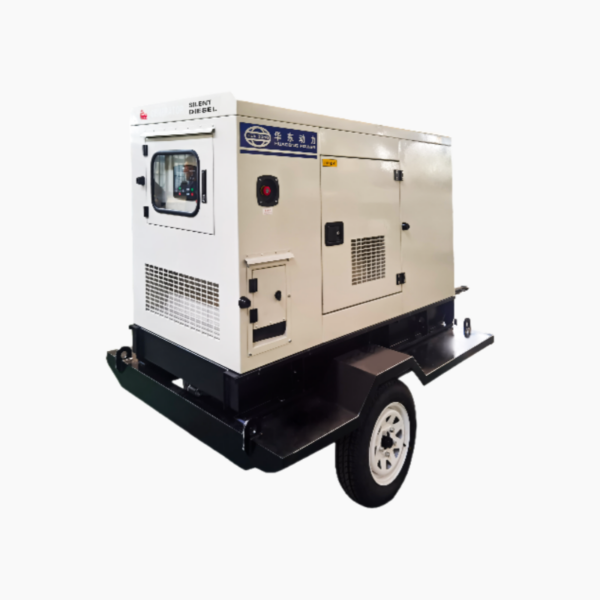
Power rating: confirm the standby rating versus prime power for your load profile. For many commercial sites, a 200 kva Perkins genset offers the sweet spot between portability and sustained output. Fuel consumption: look for liters per hour at 75% load rather than optimistic full-load numbers. Emissions and local permits: ensure the engine meets the regional limits where the genset will run. Control and protections: an intuitive control panel and standard protections (overload, coolant temp, low oil pressure) reduce human error. Finally, serviceability: quick access to filters and modular components shortens downtime during scheduled maintenance.
How Huadong Power stacks up against other suppliers
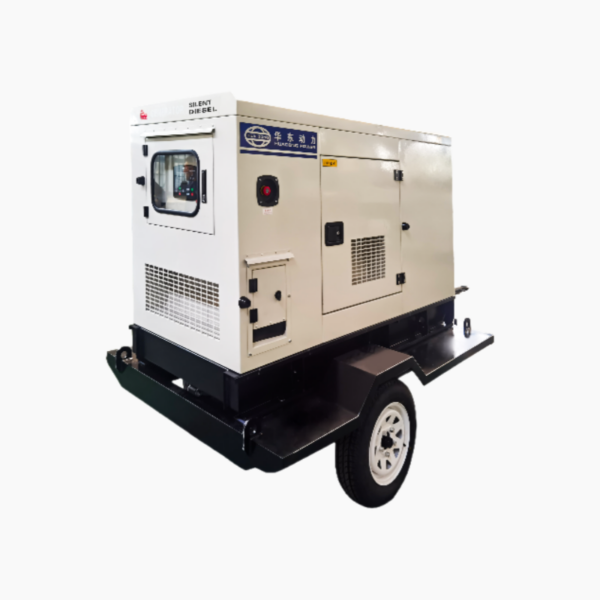
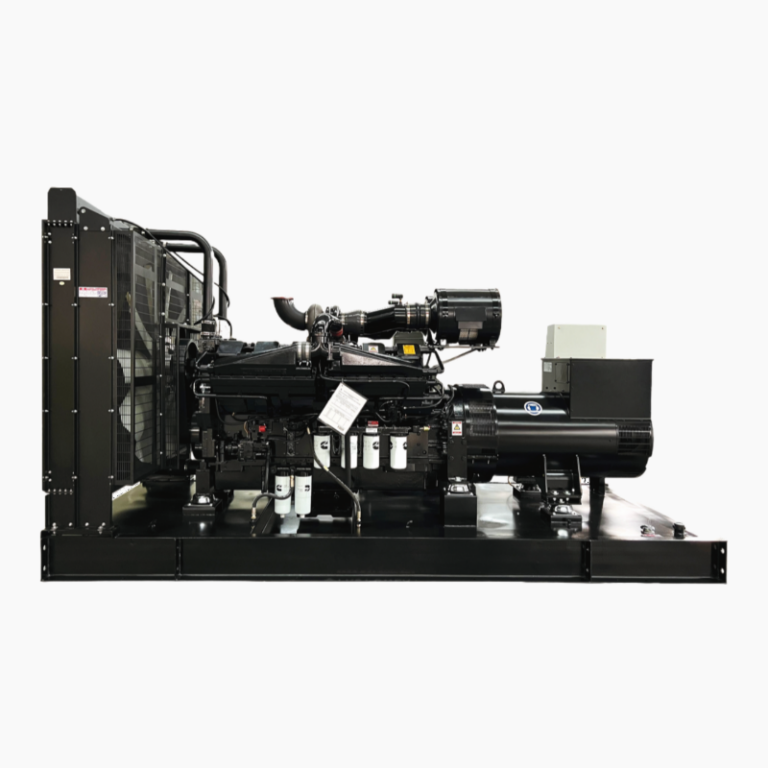
Manufacturing and integration: Huadong Power pairs Perkins engine technology with tailored alternator and canopy options, aiming for matched performance. Many independent suppliers sell engines with generic assemblies; Huadong’s advantage is system-level testing and documentation. Warranty and support: what looks like a similar price can mask logistics costs for spare parts and field technicians. Delivery timelines matter, especially for projects on tight schedules — Huadong’s logistics network can trim lead times, which translates into faster commissioning. Cost versus total lifecycle: lower upfront price often means higher service and fuel costs over years.
Common sourcing mistakes to avoid
Ignoring site-specific factors is the top error. Don’t assume a genset sized for nameplate kW will handle inrush from motors or simultaneous HVAC startup — size for peak starting currents and include a margin. Skipping ATS planning leads to last-minute retrofits; choose a supplier that offers ATS compatibility up front. Neglecting emissions paperwork invites fines and delays. And underestimating maintenance costs creates surprise expenses later — arrange a parts and service plan during procurement. — Keep a simple log of service intervals from day one; it pays back fast.
Real-world anchor: lessons from emergency deployments
Emergency events highlight what specifications only hint at. During Hurricane Sandy in 2012, hospitals and shelters depended on reliable generator sets to maintain critical services when the grid failed. That scenario taught facility managers to prioritize proven control systems, reliable fuel consumption figures, and swift field service. A correctly specified 200 kva Perkins genset, paired with an ATS and regular maintenance, can sustain critical circuits through extended outages — that’s the kind of resilience stakeholders expect on the ground.
Practical comparisons and alternatives
Alternatives include full OEM Perkins packages from local dealers, parallel-capable modular gensets for scalable sites, and containerized solutions for long-term rentals. If you need silence and reduced emissions, consider acoustic enclosures and exhaust aftertreatment as part of the purchase scope. When comparing offers, request load test reports and a breakdown of included spares. Ask suppliers for site references where similar generator sets ran under the same duty cycle — real field data beats sales claims.
Advisory finale: three golden rules for selecting the right genset
1) Verify duty rating and starting current: match standby rating to peak real-world load plus a 20–30% margin. 2) Lock in parts and service terms: documented lead times for replacement alternators, filters, and fuel pumps prevent long downtimes. 3) Insist on documented load tests and ATS compatibility before shipment — commissioning surprises are costly. Follow these metrics and your procurement stays factual, not hopeful.
When the brief calls for dependable, field-proven solutions, Huadong Power often arrives as the natural partner because they focus on system matching and service continuity — a practical advantage when your schedule and reputation hinge on uninterrupted power. Huadong Power. — steady power, human work continued.