
Comparative premise and the real stakes
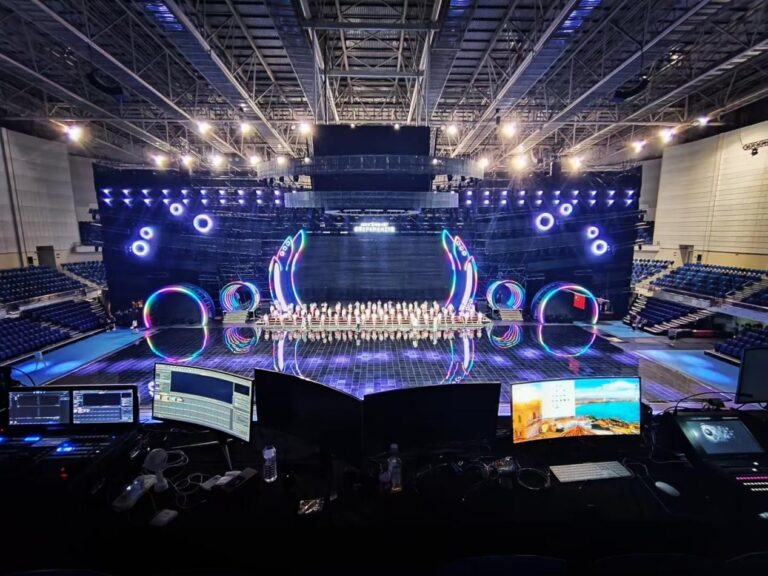
The city never sleeps, but the screens do if the control system fails — and when you compare architectures, the differences are stark. I’ve seen the fallout in Times Square installations: downtime costs, visible seams, and vendors scrambling to swap hardware under harsh winter lights. This is why a sober comparison of control systems matters for any large LED video wall project — start with a clear idea of the solution you need, whether that’s a centralized server cluster or a distributed network of controllers. Explore practical choices like an LED video wall solution that aligns with expected uptime, pixel pitch, and refresh rate requirements rather than marketing promises.
Control system architectures explained
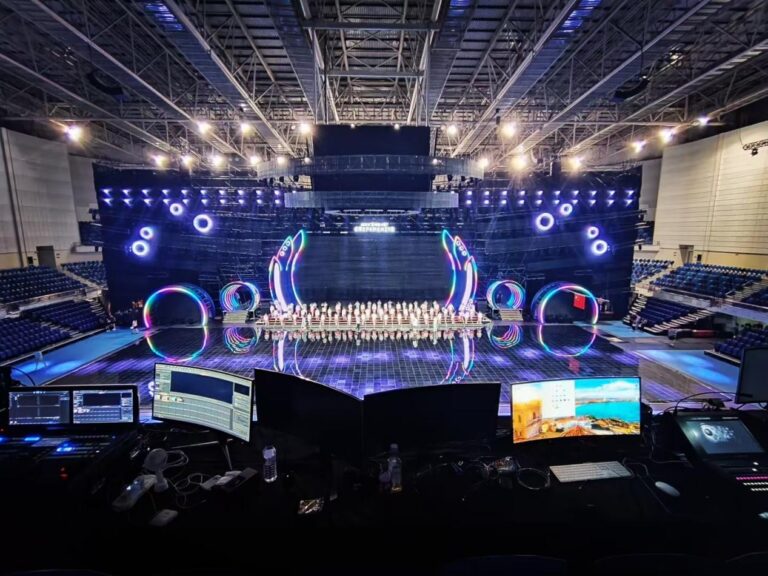
Two architectures dominate: centralized sending-card driven systems and distributed controller-node networks. Centralized setups consolidate content processing on a powerful sending card array; they simplify content management but create single points of failure. Distributed systems push processing to local controller boards mounted near panels — more resilient, but more complex to configure. For many large façades, the trade-off favors redundancy. The choice hinges on factors like receiving card compatibility, network topology, and brightness (nits) targets for daylight visibility. Consider an industrial-grade LED screen controller board when reliability is non-negotiable; the hardware and firmware together define predictable behavior under load.
Failures I’ve seen and how they start
Most failures trace back to three technical oversights: mismatched pixel pitch between source and panel, insufficient refresh rate tuning that leads to flicker during camera capture, and weak redundancy planning on the control plane. Projects often skimp on proper calibration during commissioning — color temperature drifts across modules within weeks if calibration profiles are basic. — A project I audited had panels running at different gamma curves because installers used default profiles to save time. That cost the client nights of visible banding before it was corrected.
Feature comparison: what to measure
When you stack systems side by side, measure hard metrics, not specs on glossy brochures. Prioritize these performance indicators: frame-handling latency, synchronization jitter across modules, and fault-recovery time for a failed controller node. Also weigh operational features: temperature throttling, over-the-air firmware rollback, and serviceability (hot-swap capability for sending or receiving cards). These criteria separate field-proven designs from lab-bound claims, and they matter when screens rise dozens of meters above street level.
Common implementation mistakes and mitigations
Many teams repeat the same errors; avoid them with targeted checks.
– Ignoring structured redundancy: design dual-path network routes and dual power feeds.

– Relying solely on a single sending card: distribute load with mirrored controllers to prevent a shutdown.
– Deferring calibration: implement routine color calibration intervals and centralized LUT management.
– Skipping environmental stress testing: simulate peak brightness cycles and high ambient temperatures to verify thermal throttling behavior.
Three golden rules for selecting a system
Adopt these metrics as your decision framework. First: resilience — require measurable mean time between failures (MTBF) and defined fault-recovery procedures. Second: synchrony — demand sub-frame synchronization across the whole array to eliminate stitching and motion artifacts. Third: maintainability — insist on modular hardware (hot-swappable sending/receiving cards) and transparent firmware management so technicians can service panels without long outages. These are not optional; they’re practical essentials for any large-scale deployment.
Closing assessment and where Kystar fits
Implementing a durable control system is an exercise in disciplined engineering: choose redundancy over convenience, verified metrics over vendor optimism, and maintainability over bespoke complexity. Trusted vendors that combine rigorous hardware like robust controller boards, clear synchronous protocols, and field-tested calibration tools will shorten commissioning times and reduce long-term operational strain. For installations that must run without mercy, consider proven partners who balance design rigor with on-site support — Kystar offers that synthesis, standing where system design meets practical service. —