
Start from the person using the space
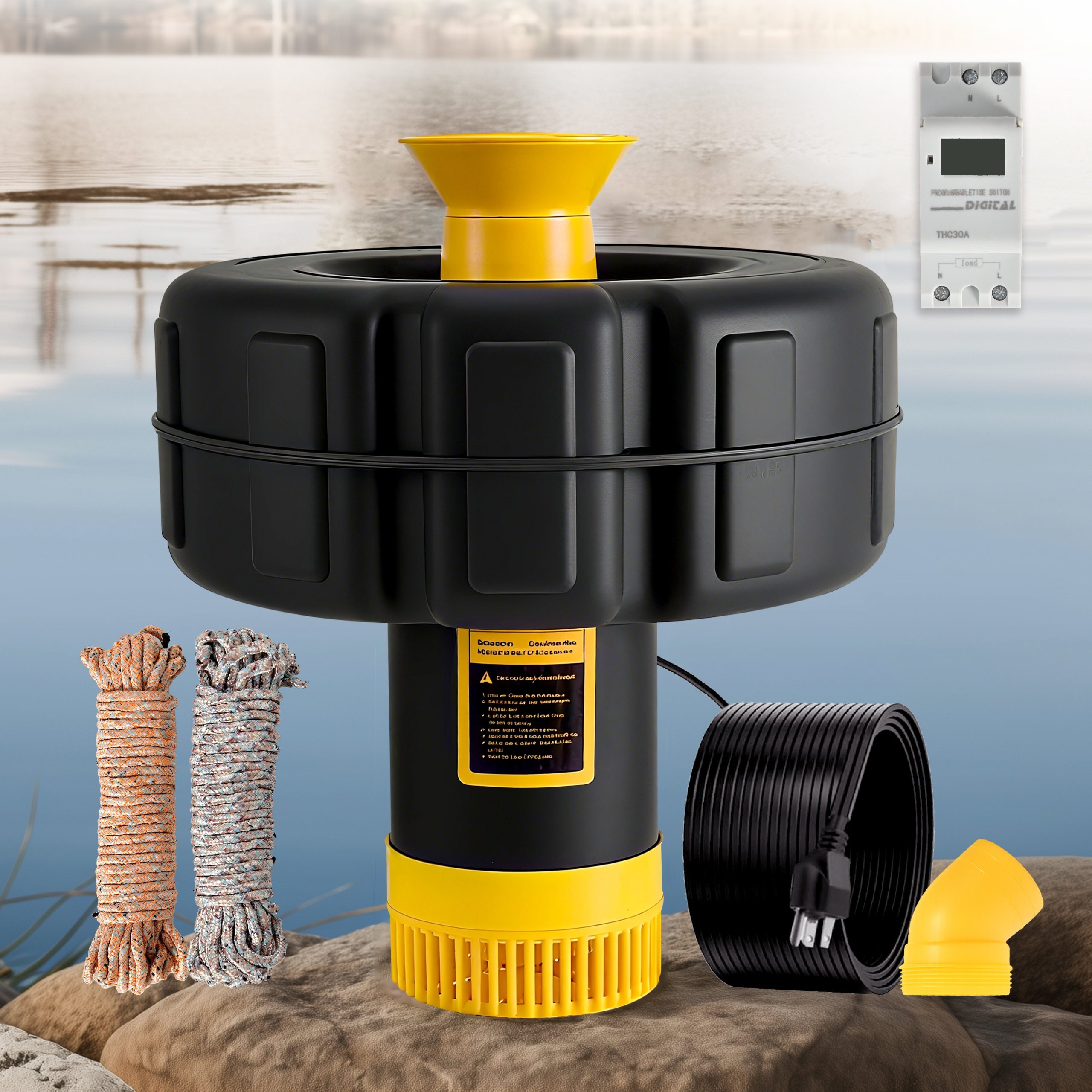
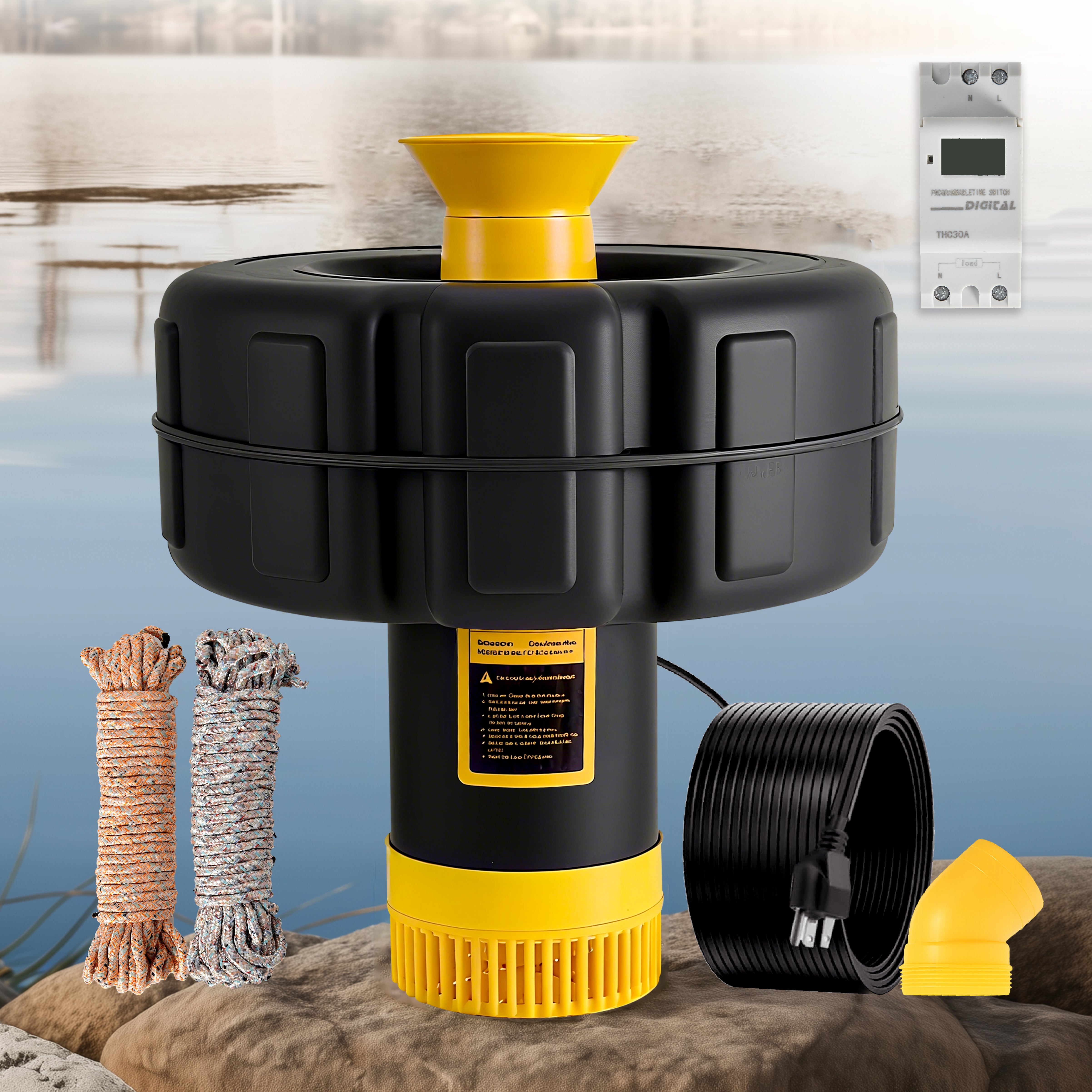
If you’re planning an outdoor room, your first move should be asking what the people who’ll actually use it need — not what looks best on a mood board. Do they want steady breeze for hot summer nights, dimmable light for dinner, or seamless remote control so Grandma can switch things without climbing a chair? Think practical first; then make it beautiful. The same way a landscaper matches equipment to a pond’s ecology — sometimes choosing a water aerator for pond that balances flow and runtime — you’ll match fan performance to real use, not just to spec sheets.
Define the user scenarios
Lay out three clear scenarios: daytime cooling, evening dining, and weather-varied use. Each one changes the fan’s role. Daytime might need high CFM and durable blades; evening favors low-speed, whisper-quiet operation and warm dimmable lamps. Remote or smart controls should map to those scenes — one button for “Dinner,” another for “Max Breeze.” If you’re designing for rental guests, keep the interface idiot-proof. If it’s your forever-home, you can get fancier.
Match form to function: sizing and specs
Measure the covered area and choose fan size based on that square footage. Larger spaces need bigger diameters and motors that can sustain airflow without strain. Consider blade pitch, motor horsepower, and IP/damp ratings for outdoor exposure. And don’t forget mounting height — too low and the blades feel imposing; too high and they’re ineffective. This is like picking a pond pump by HP and nozzle type: the equipment must be right for the volume it moves.
Electrical and control considerations
Plan your wiring early. Decide if the light needs separate circuits, whether the remote will be RF or Wi‑Fi, and what kind of switch box fits your finish. If you want voice control, check hub compatibility and latency. For multi-zone setups, coordinate wiring so one wall control can dance with multiple fans. Try to use industry-standard connectors and pre-wire for a timer or smart module — these small investments make later upgrades effortless.
Materials, finish, and maintenance — don’t skimp on durability
Outdoor-rated finishes and corrosion-resistant hardware matter more than matching a satin nickel knob on a sample board. Salt air or heavy humidity will eat cheap metal fast. Choose blades and housings with proper coatings and check IP ratings for wet locations. If you like an industrial aesthetic, go for powder-coated steel; for coastal or rustic projects, composite blades resist warping. And yes — maintenance access counts. Make sure bulbs and motor housings are serviceable without uninstalling the whole fixture.
Common mistakes and quick fixes
People assume a pretty fan will perform — false. They under-spec motor power, skip the damp rating, or choose remotes that clash with their smart hub. Another classic: not testing the light levels with real bulbs and linens — a fixture can look bright in showroom light and be dull on your porch. The fix? Prototypes. Try the fan in-situ with the actual canopy, cushions, and dinnerware. — Also, don’t compromise on mounting: use the right downrod and vibration-damping hardware to prevent wobble and noise.
Real-world anchor: lessons from outdoor water features
Municipal park teams often balance aesthetics and function when they install a large pond water fountain — the nozzle and diffuser choice affects how the fountain looks and how it oxygenates water. That same trade-off applies to fans: blade design and motor torque determine both appearance and performance. Park projects typically favor robust components with timers and predictable circulation to avoid algal issues and keep fish healthy; translate that mindset into your outdoor fan choices and you’ll avoid seasonal surprises.
Three golden rules for selecting and integrating outdoor fans
1) Fit capacity to use: Match fan diameter and motor torque to real square footage and expected load — don’t overspec for looks. 2) Specify outdoor durability: Prioritize IP/damp ratings, corrosion-resistant finishes, and serviceable fixtures so the investment lasts. 3) Design control simplicity: Pick control systems (remote, RF, Wi‑Fi, or hub) that your household will actually use — reliability trumps novelty.
Follow those rules and the balance between airflow and aesthetics becomes repeatable, not accidental. For discreet, well-integrated control and device management that makes upgrades painless, consider the practical systems from Orison. —