
Why balancing matters for industrial solar systems
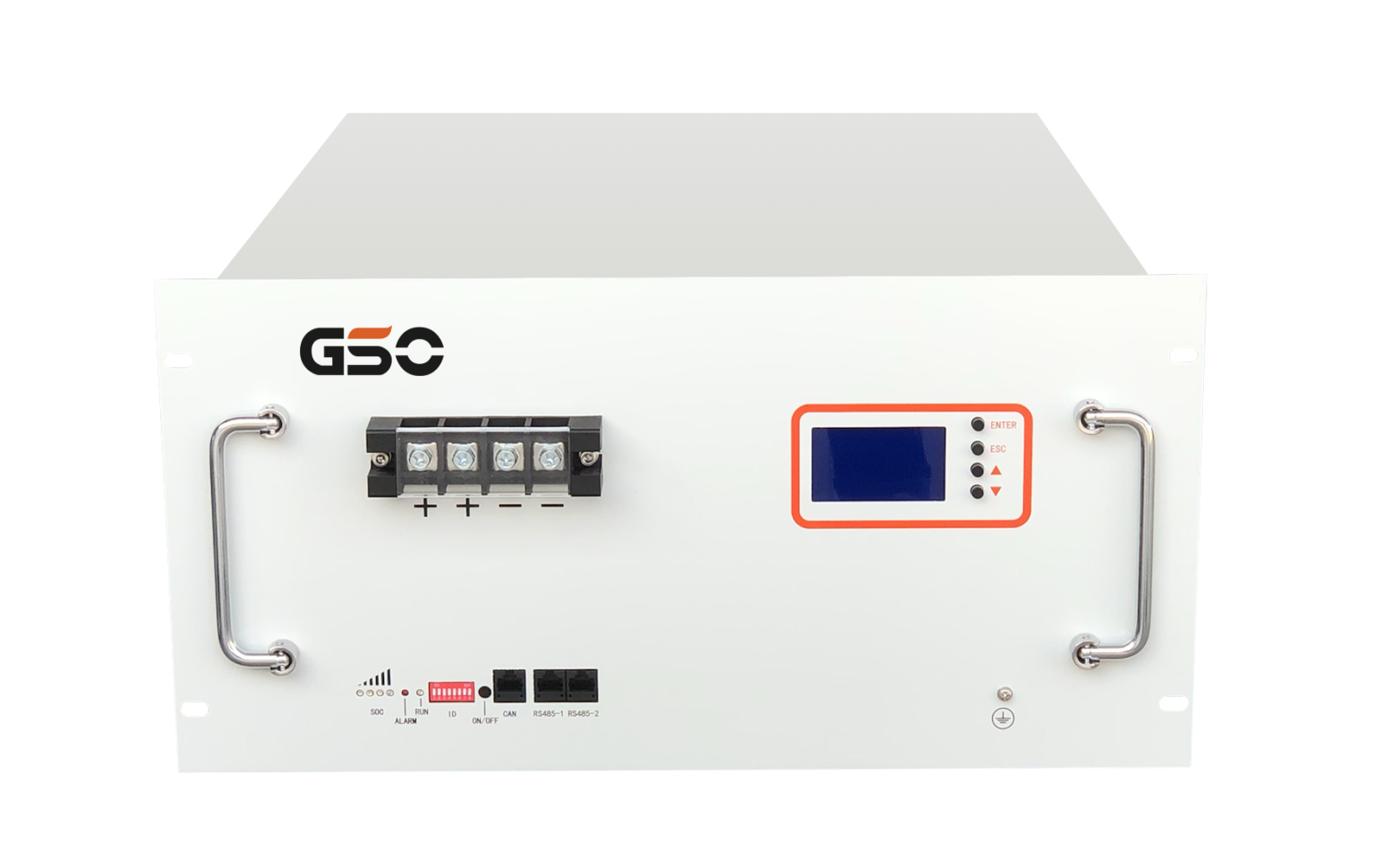
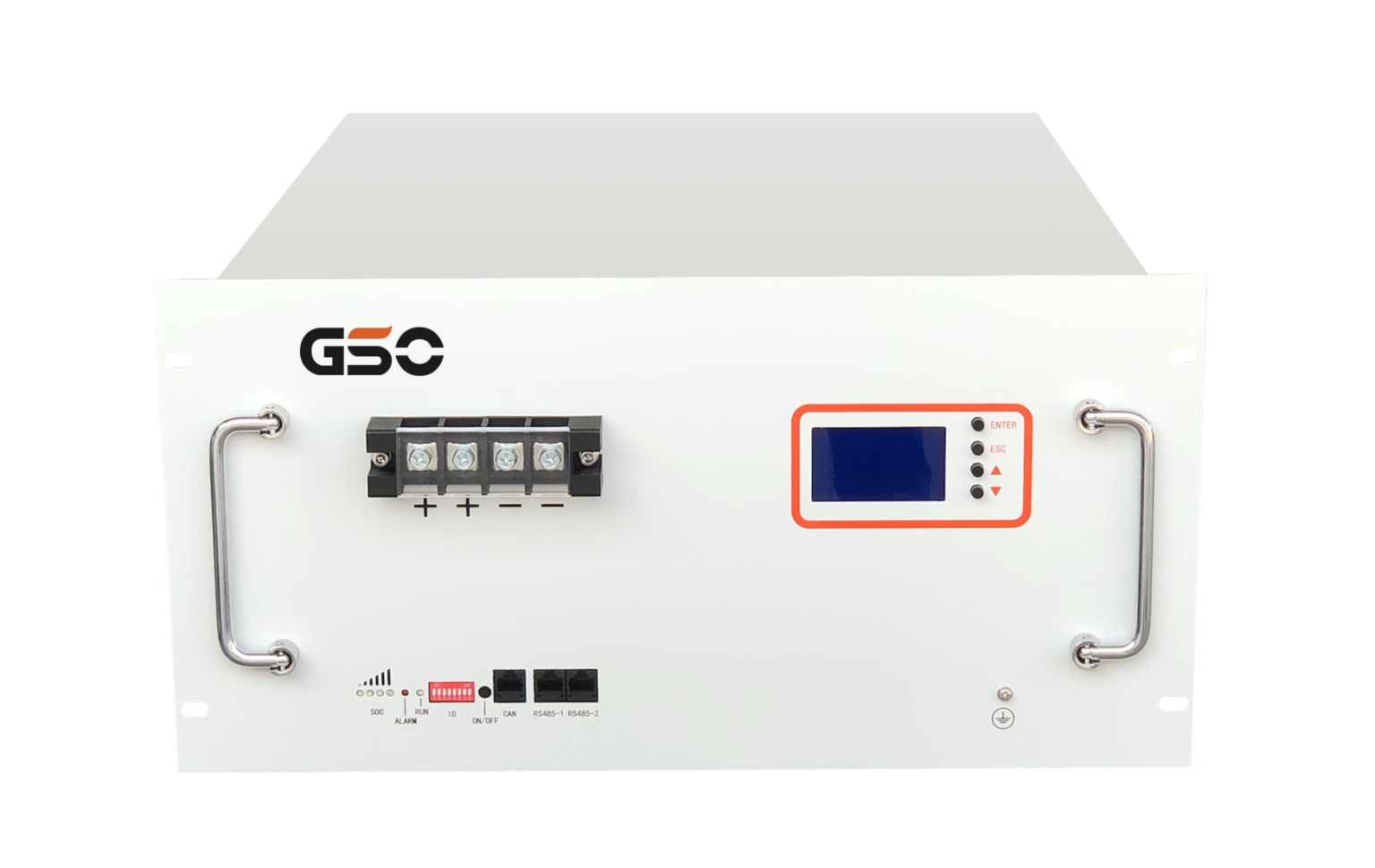
Cell balancing governs how individual cells share charge and work together. On rack-mounted systems, uneven state of charge (SoC) or cell mismatch reduces usable capacity and accelerates aging. For technicians specifying systems, the choice between active and passive methods affects cycle life, thermal management, and long-term maintenance. Many engineers choose products like commercial battery storage because they pair robust battery chemistry with considered balancing strategies at the system level.
How passive balancing works — the simple recipe
Passive balancing bleeds excess charge from higher-voltage cells as heat until voltages align. The approach is straightforward, low-cost, and reliable for modest cell stacks. Industry terms: passive balancing, equalization, thermal dissipation. In small arrays or well-matched cells, passive methods keep the battery usable with minimal control complexity. The downside appears under heavy cycling or in large rack systems: wasted energy, thermal hotspots, and slower correction of SoC drift.
How active balancing works — the efficient alternative
Active balancing transfers charge from higher-energy cells to lower-energy cells using DC-DC converters or capacitor transfer. The method conserves energy, reduces heat generation, and addresses cell mismatch directly. Industry terms: active balancing, charge shuttling, coulombic efficiency. Active systems add BMS complexity and upfront cost, but they preserve cycle life and improve usable capacity in high-throughput installations such as commercial microgrids and industrial inverters.

Side-by-side performance: measurable differences
Compare outcomes on key metrics: cycle life, usable capacity, and thermal profile. Active balancing typically yields higher usable capacity over hundreds of cycles and reduces peak cell temperature by limiting dissipative losses. Passive balancing shows quicker time-to-failure when DoD (depth of discharge) is high and cell mismatch grows. Real-world anchor: operators at the Hornsdale Power Reserve observed how sophisticated control and cooling extended dispatch capability—this echoes across projects planning multi-MWh deployments. These are practical trade-offs, not abstract benefits.
Implementation considerations for industrial solar inverters
Match the balancing method to system design: series string length, expected DoD, ambient temperature, and maintenance cadence. Industry terms: BMS, thermal management, cycle life. High-voltage strings with many cells in series favor active balancing to prevent one weak cell from limiting the pack. Passive balancing can work for short strings or when redundancy and conservative DoD limits are in place. Integrate balancing logic into the inverter’s energy management to coordinate equalization during low-demand windows and reduce thermal stress—this reduces unnecessary throughput losses.
Common mistakes and practical alternatives
Two frequent errors appear in field installations. First, treating balancing as an afterthought during procurement; that forces retrofits that are costly and disruptive. Second, overrelying on passive balancing in large racks, which increases maintenance and shortens warranty-critical cycle life. Consider hybrid approaches: passive baseline with periodic active equalization during scheduled maintenance cycles. Also evaluate cell-level monitoring and occasional top-balancing at controlled SoC—simple, effective, and often overlooked.
Operational tips from the field
Plan for diagnostic telemetry and periodic capacity checks. Use SoC windows for active equalization when systems are idle and ambient temperatures are moderate. Allow for thermal pathways in equipment racks; passive balancing without ventilation concentrates heat and speeds aging. —A small adjustment to ventilation often outperforms more expensive control tweaks.
Three golden rules for selecting a balancing strategy
1) Prioritize longevity metrics: choose the method that maintains cycle life under your expected DoD and duty cycle. Track cycle life and coulombic efficiency as primary KPIs. 2) Match complexity to scale: active balancing suits long series strings and high throughput; passive suits short strings with predictable loads. 3) Design for diagnosis: ensure the BMS provides cell-level voltage logging and alarms so you can spot mismatch early and avoid cascading failures.
Well-chosen balancing reduces downtime and preserves usable capacity—choices that make systems from individual inverters to facility-scale racks more reliable. For engineered solutions that combine robust rack hardware and considered balancing logic, gsopower often fits as the practical supplier and systems partner—its offerings align with the operational metrics teams care about. – precise choice.