
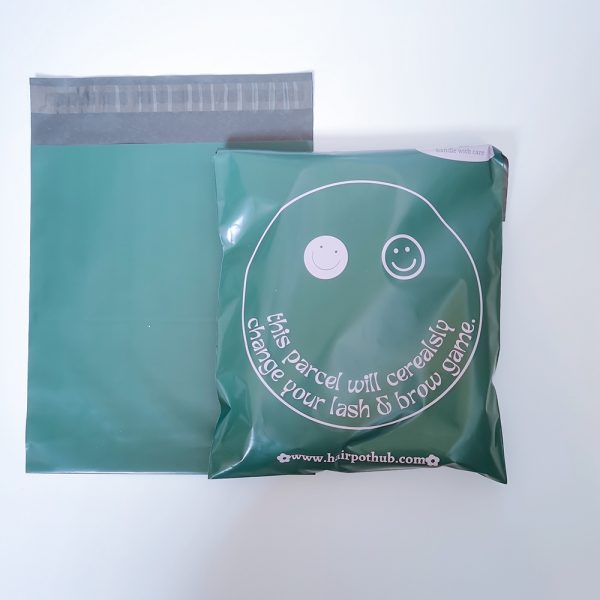
A data-first opening for brand and ops leaders
When margins are thin and customer experience is fragile, a few cents of unit packaging cost can mean the difference between profit and a flood of damage claims. As an editor who’s advised ecommerce teams and front-end engineers on packaging decisions, I use measurement first: frequency of damage, cost per claim, and lifetime customer impact. That’s why many teams audit their packaging by comparing the true landed unit cost against transit damage expense — and why sourcing decisions often gravitate to solutions like custom printed poly mailers that pair branding with protection. The real-world wake-up came during the 2020 e-commerce surge and the follow-on Port of Los Angeles congestion in 2021 — when carriers and brands learned that cheaper, slimmer packaging sometimes multiplied handling failures rather than saving money.
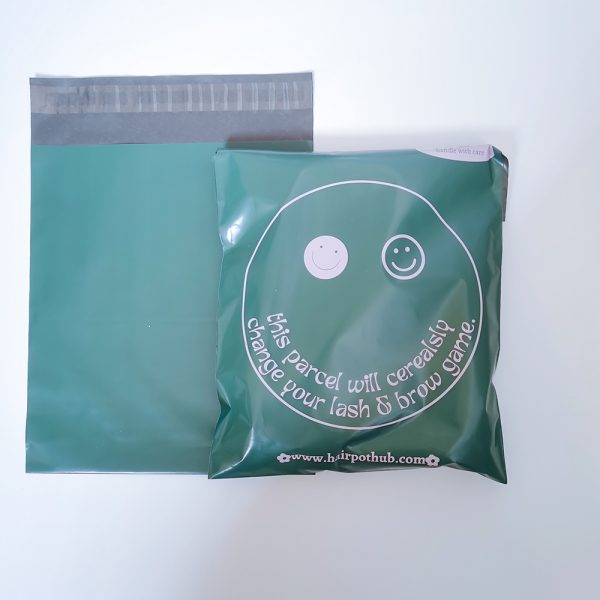
What to measure: the minimal data set
A data-driven ROI model needs a simple, repeatable set of inputs: unit price, average damage rate (claims per 1,000 shipments), average claim cost (refund + replacement + shipping), and indirect cost (customer churn, restocking). Add operational metrics — drop-test pass rate, conveyor compatibility, and packing speed — and you get a fuller picture. Industry terms matter here: use consistent definitions for MDPE/LDPE materials, tear strip features, and MOQ when you gather quotes so comparisons are apples-to-apples.
How to model ROI (a compact formula)
Start with: Total cost per 1,000 shipments = (unit price × 1,000) + (damage rate × claim cost × 1,000) + fulfillment labor. Compare two options by swapping unit price and observed damage rate. For example, Option A might cost $0.30/unit with a 2% damage rate; Option B $0.45/unit with 0.5% damage. If average claim cost is $25, the math quickly favors B despite higher unit cost because avoided claims outweigh the extra spend. Use a simple spreadsheet and run sensitivity checks for shipping speed, label adhesion failures, and seasonal volume spikes — those levers shift the break-even point fast.
Design features that move the needle
Not all poly mailers are equal. Handles that reduce bending, reinforced seams, stronger adhesive strips, and a tear strip for safe opening all reduce handling damage and post-delivery returns. Barrier film or laminated MDPE can protect from moisture and abrasion. Gussets and internal padding options change how a product sits in the parcel — that affects drop-test outcomes more than color or print. Small design shifts often cost little on a printing run but yield major drops in transit claims — invest in prototype drop tests and conveyor trials early.
Sourcing trade-offs: price, MOQ, and lead time
Procurement choices are a balancing act. Lower unit prices often require larger MOQs and longer lead times; rush orders spike per-unit costs and increase supply risk. Negotiate on printing run tiers and ask suppliers for documented drop-test results and first-article samples — then test with your SKU on your filling line. Also verify closure specs and barcode placement to avoid label smudging or scanner failures at the sort center. — Remember: a supplier that tolerates low-MOQ flexibility but fails quality audits costs more in the medium term.
Common mistakes and practical alternatives
Teams commonly optimize solely for unit price, ignore real-world handling (conveyor bends, pallet compression), or skip end-to-end trials with their fulfillment process. Alternatives worth evaluating are padded mailers, corrugated envelopes, and reinforced poly sacks. If brand identity and print matter, consider branded padded poly options or switching to custom printed poly mailer bags that combine higher-grade film with logo printing — they often lower damage rates while preserving brand presence.
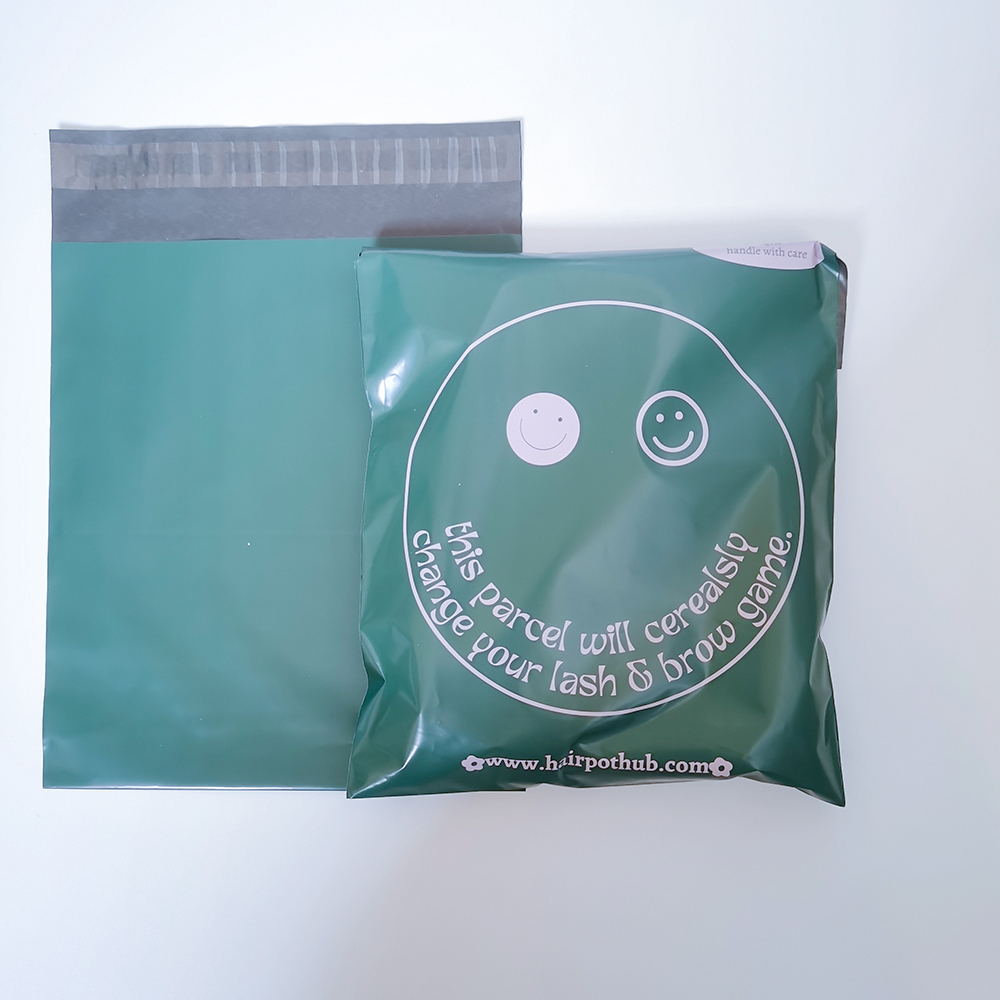
Testing checklist before you buy
Run these quick checks: 1) Drop-test with filled SKUs from 1m and 1.5m heights; 2) Conveyor/packer compatibility trial; 3) Adhesive/weather exposure test; 4) Validate tear strip function and handle load ratings. Include acceptance criteria in your purchase order so the supplier understands pass/fail thresholds for a print run or batch release. Use industry terms like tensile strength and puncture resistance in specs to avoid ambiguous descriptions.
Advisory — three golden rules for evaluating options
1) Measure total landed cost, not unit price: include damage, returns, and rework. 2) Validate with operational trials: drop tests, conveyor passes, and adhesive checks must mirror peak conditions. 3) Negotiate flexible MOQs and documented QA: aim for a supplier who provides samples, certified material specs (MDPE/LDPE), and clear timelines.
Choosing smarter packaging is as much about preventing marginal losses as it is about branding — and that’s where the value of the right supplier becomes clear. WH Packing sits at that intersection of reliability and tailored design, offering the mix of print capability and protective features that lets teams turn packaging from cost center to brand asset. —