
When paper gave way to a soft glow
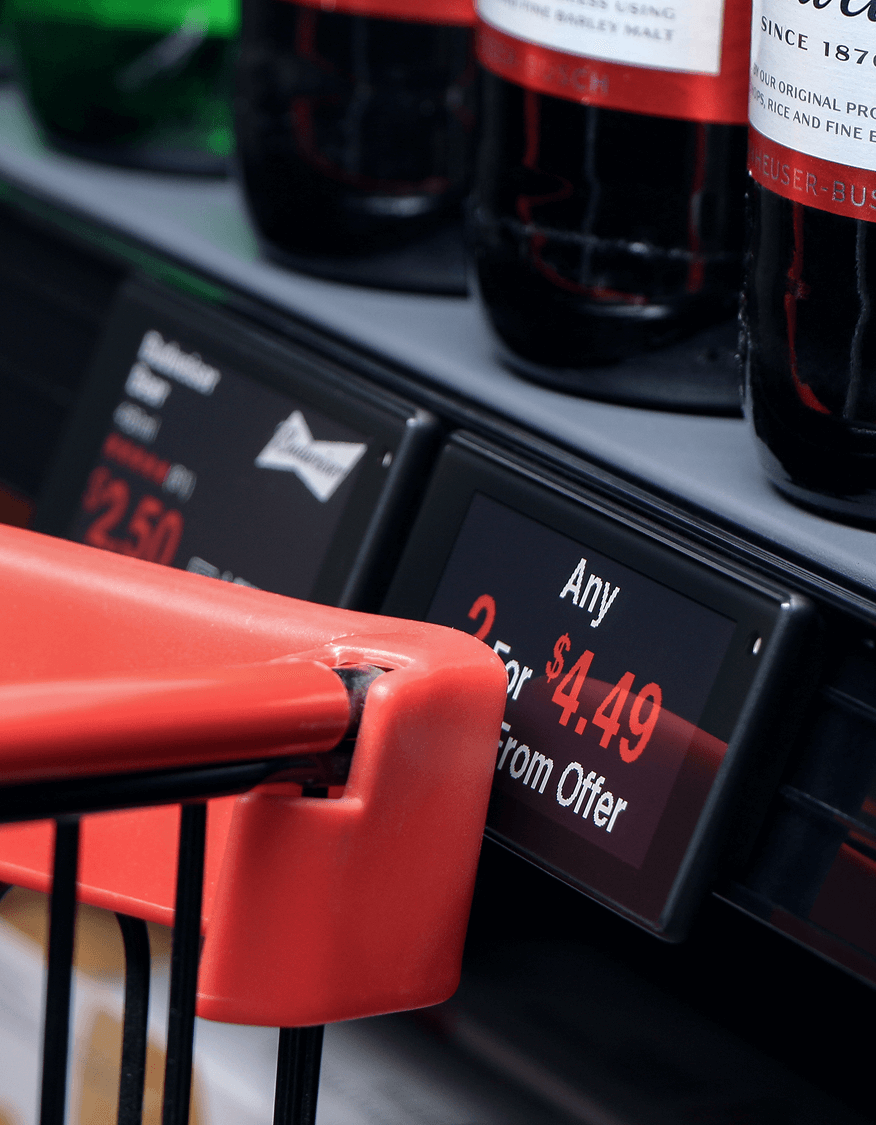
I remember the night we peeled hundreds of paper price cards off the gondola end—rain on the windows, fluorescent hum, and a cart full of 7-inch e-ink modules—and we swapped them for digital price tags (oddly enough, it felt less like an upgrade and more like setting a new rhythm). In one pilot I ran in March 2023 at a 1,200 m² store in Leeds, replacing 3,400 paper labels with monochrome electronic shelf label units cut manual update time from four staff-hours a day to under thirty minutes; the tills noticed fewer price disputes. Scenario + data + question: a rainy shift, a 92% drop in update labor, and how do you quantify the quiet value of fewer mistakes?

I speak as someone with over 15 years in B2B supply chain and retail rollout work — I have installed firmware updates at midnight, wrestled with Wi‑Fi dead zones beside the freezer, and watched prices flip across aisles via a cloud platform. The deeper layer many miss is not the upfront cost of an ESL system but the friction that lives behind old habits: mismatched markdowns, staff mistrust of electronic feeds, and the slow, invisible payroll leak when teams chase paper changes. — These are user pains, not just technical ones, and they shape whether a digital transition feels like progress or like extra work. That leads us to the heart of the problem.
Why do labels falter?
From brittle fixes to forward design
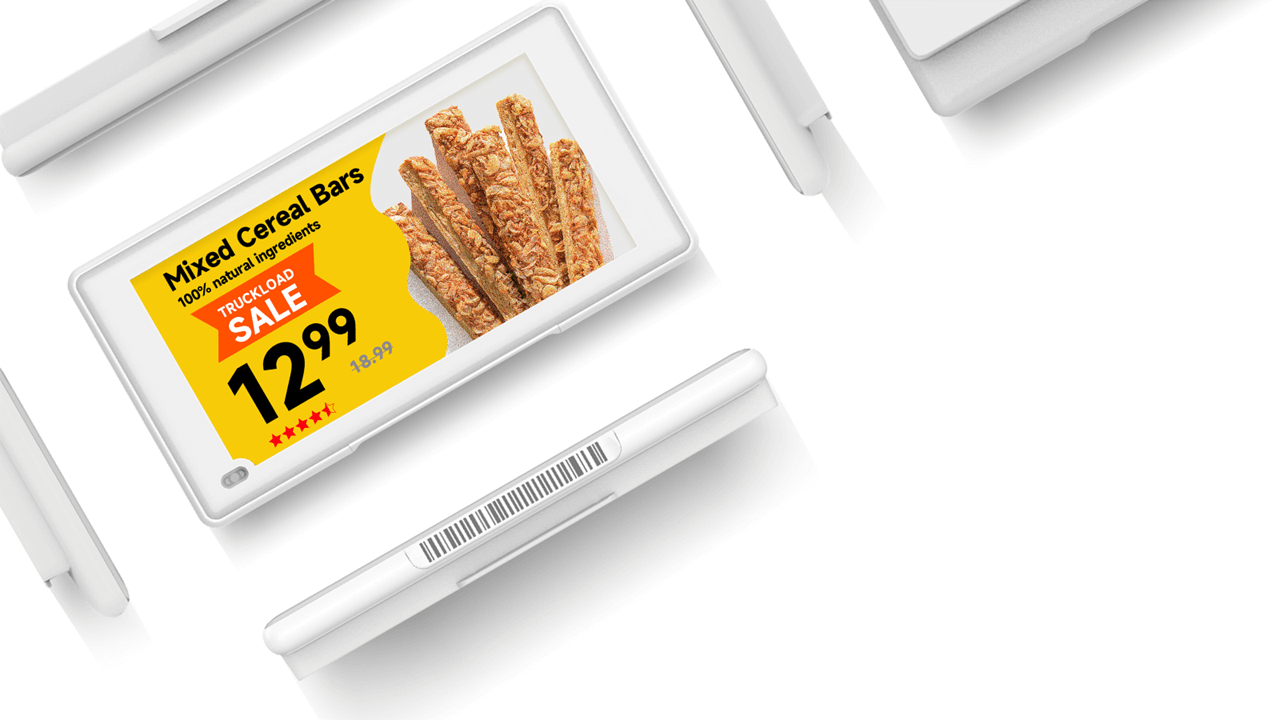
Technically speaking, the common fixes—manual tags, ad-hoc shelf stickers, spreadsheets—were brittle. I once audited a mid-size chain where barcode vs. shelf price mismatches cost an estimated £12,400 over four months (that’s not a hypothesis; it was counted, dated: June–September 2022). The typical culprits: delayed pricing feeds, intermittent ESL radio coverage, and outdated firmware that refused the latest promotional templates. When you look under the hood, RFID and IoT talk matter less than the orchestration: how the back-office cloud platform communicates with the ESLs, how a POS rollback is handled, and whether staff trust the update process.
Now consider the comparative picture. Vendors promise real-time changes, centralized control, and seamless shelf signage, yet the outcomes vary by execution. I’ve seen a smart rollout where a phased deployment and on-site staff training reduced price-check calls by 84% within six weeks. I’ve also seen projects stall because installers neglected edge cases—freezer aisles with disrupted radio, or promotional templates that smashed the price font. The technical rhythm here (firmware stability, mesh network planning, API hooks) decides whether the promise becomes routine. What’s next is not only better radios or prettier labels; it’s a playbook for minimizing those human and technical seams. (Short pause — important: pick pilots that expose edge cases early.)
What’s Next
Looking forward, I shift my pace to compare pathways: a vendor who supplies a rigid, all‑in‑one ESL stack versus a modular approach that lets you mix third-party IoT sensors or RFID tags. I favor modular—because stores differ: a coastal outlet in Brighton needs different RF tuning than an inner‑city supermarket. In future-facing rollouts, I insist on these three evaluation metrics—speed of updates (measured by average seconds to push a price change across 1,000 tags), resilience (percent of labels online during peak hours), and total cost of ownership over three years (including staff hours and firmware maintenance). These are concrete numbers you can measure and argue over in the boardroom; they keep the conversation honest.
I close with a practical note from my workshops: run a focused 30‑day pilot on one department, count every discrepancy, and set a baseline. Then measure again at day 90. You will find surprises. We did. I still tell that Leeds story because it changed how we budgeted staffing. Choose vendors who test in your aisles, not just in demos. For me, the name I recommend—after hands‑on trials and a few late nights of debugging—is Hanshow.