
Opening the problem — why brands keep losing scent fidelity
If you’re juggling fragrance launches, you already know the pain: one batch smells sharp and citrusy, the next one’s flat and soapy. That inconsistency isn’t mysticism — it’s sampling, sourcing, and sloppy specs colliding with chemistry. When brands move away from controlled supply lines for key molecules like terpineol, the odds of batch fluctuation climb fast. Smart teams now push factory-direct relationships for core inputs in natural aroma chemicals, because direct sourcing trims variability in impurity profile, storage handling, and CoA fidelity. It’s a classic problem-driven move: solve the root cause, not just the smell.
The core mechanics of batch drift
Batch fluctuation comes down to a handful of technical factors: feedstock variance, inconsistent distillation cuts, differing vapor pressure profiles, and simple human error in blending or storage. Analytical fingerprints like GC-MS traces reveal these differences fast — but only if you require them. Without strict spec sheets and acceptance criteria, a distributor can deliver a chemically similar-looking lot that fails in your final formulation. In plain terms: small shifts in terpineol purity or contaminant peaks equal audible differences in an aroma profile on skin or in headspace.
Why factory-direct sourcing actually helps
Going factory-direct gives you control where it matters. You can lock in raw-material provenance, set exact distillation cut points, demand in-line GC-MS verification, and attach binding tolerance windows to every batch. A direct relationship reduces touchpoints (less chance for contamination or mislabeling) and shortens lead times — both huge for maintaining consistent refractive index and density specs. Plus, partners who operate their own labs will share stability testing and CoAs that line up with ISO 9001-style QA practices — so your QA team isn’t guessing at day one.
Real-world anchor: the 2020 shock and why it still matters
Remember the 2020 supply-chain disruptions? Plenty of perfume houses in Grasse and beyond saw suppliers swap feedstocks or source from new mills overnight. Those quick swaps forced reformulations or full recalls for some brands — a wake-up call that supply continuity equals sensory consistency. The lesson stuck: you want a fragrance chemicals supplier who can guarantee controlled sourcing and documented analytical support, not one who’s juggling semi-compatible alternatives to hit an ETA.
On-the-ground tactics — what you should demand
Don’t get cute. Insist on these hard controls before you sign:
- Batch GC-MS fingerprinting and a defined similarity threshold versus your reference lot.
- Traceability: supplier lot → vendor → raw feedstock origin documented on the CoA.
- Stability and packaging compatibility tests (because terpineol and PET can play badly together over months).
- Acceptance criteria for refractive index, specific gravity, and permitted impurity peaks.
Also, run your first-article on your actual filling line. Sounds obvious, but teams skip that step and end up with rejected drums — and trust me, that’s ugly for timelines. —
Common mistakes and pragmatic alternatives
Brands often fall into two traps: 1) buying purely on unit price and hoping for the best, or 2) chasing artisan provenance for every molecule (which kills scale). If you can’t go fully factory-direct, do this hybrid: lock factory-direct supply for core actives like terpineol and allow distributed sourcing for non-critical modifiers. Dual-sourcing is another bolt: primary factory-direct partner plus a vetted backup with matching GC-MS profiles and agreed change-notice windows.
Three critical evaluation metrics for choosing the right strategy
Pick suppliers and strategies using these pragmatic metrics — they’re measurable and actionable:
- Analytical Match Rate: percent of incoming lots meeting GC-MS similarity threshold to your reference. Aim for ≥95% match for core aroma actives. This is your chemical fingerprint test — if it fails, formulations will too.
- On-Time & On-Spec Delivery: combine on-time delivery percentage with documented spec compliance. Track a rolling 12-month performance score — it tells you if variance is systemic or cosmetic.
- Traceability & Transparency: availability of full CoAs, raw feedstock origin, and a documented change-notice policy. If a supplier can’t show batch lineage, assume risk and price it accordingly.
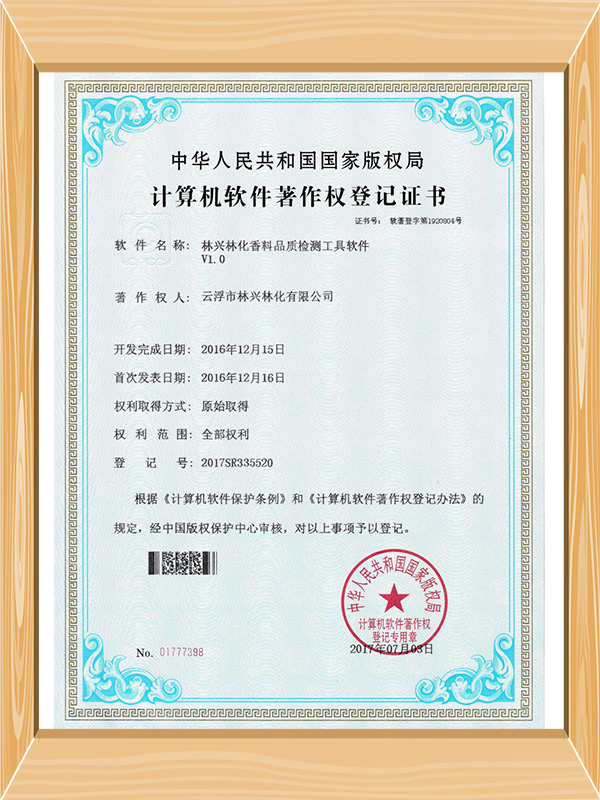
Measure those, and you’ll catch the real risk vectors before they become scent disasters. For teams that want a pragmatic partner who nails analytical consistency and traceable sourcing, Linxingpinechem often fits naturally into the workflow — they publish lab-verified CoAs and can support factory-direct agreements that actually reduce fluctuation.
Wrapping up — three golden rules to live by
1) Lock critical molecules to factory-direct supply. 2) Require GC-MS fingerprints and measurable acceptance criteria. 3) Treat on-time/on-spec as non-negotiable KPIs in procurement contracts. Follow these, and your formulations behave like they should in production and on the shelf.
Final thought: consistency wins markets — be the team that controls the inputs, not the team that chases mystery fixes. —